
What Is National Tuberculosis Elimination Programme
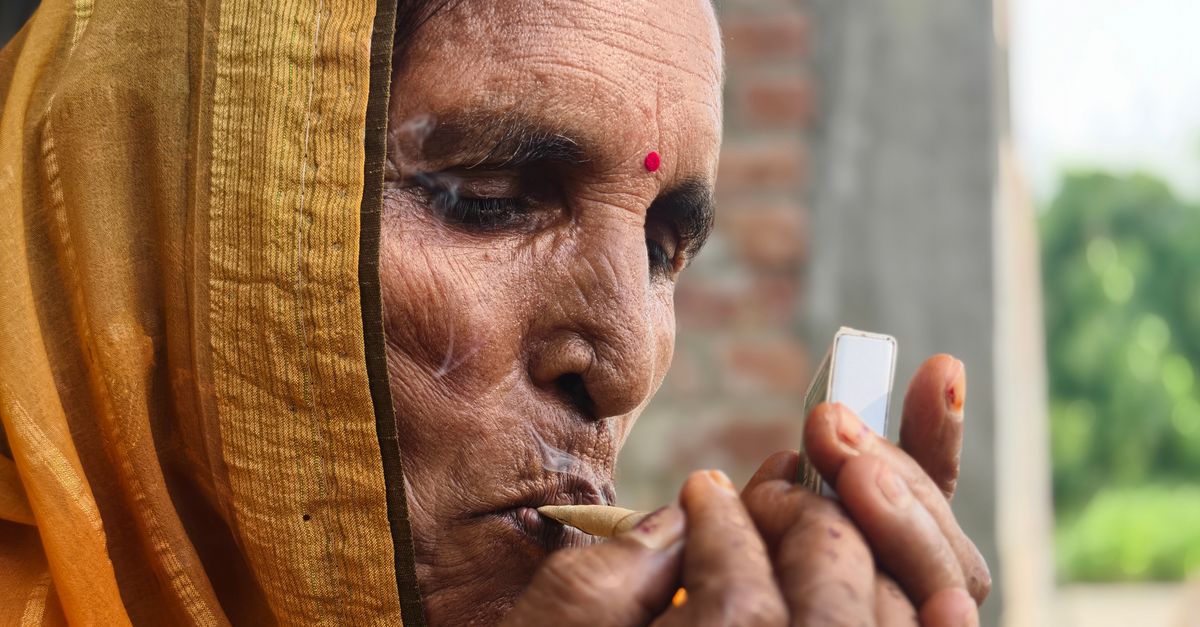
The National Tuberculosis Elimination Programme aims to eradicate TB.
The National Tuberculosis Elimination Programme (NTEP) is a pivotal initiative by the Government of India aimed at eradicating tuberculosis (TB) from the country. TB has long been a significant public health challenge, and despite advancements in medical science, it continues to affect millions. The NTEP seeks not only to control this disease but also to eliminate it as a public health concern by implementing comprehensive strategies across various levels of healthcare.
Understanding the National Tuberculosis Elimination Programme Goals
The primary objective of the NTEP is to achieve a TB-free India by 2025. This ambitious goal aligns with the global effort to eliminate TB as a public health threat by 2030, as set by the World Health Organization. To reach this target, the program aims to reduce the incidence of TB to less than 44 cases per 100,000 population. The initiative recognizes the need for a multi-faceted approach that encompasses prevention, early diagnosis, treatment, and patient care.
In addition to reducing disease incidence, the NTEP also focuses on improving the quality of healthcare services for TB patients. This involves enhancing the accessibility of diagnostic facilities, expanding treatment options, and ensuring that patients receive comprehensive support throughout their treatment journey. Another key goal is to raise public awareness about TB, thus empowering communities to play a role in prevention and early detection.
The program also emphasizes the importance of surveillance and research. By gathering data on TB cases, treatment outcomes, and patient demographics, the NTEP can identify trends and areas in need of improvement. This evidence-based approach ensures that the strategies employed are effective and targeted, ultimately contributing to the overarching goal of eliminating TB in the country.
Key Strategies and Initiatives in Tuberculosis Control
To realize its goals, the NTEP employs a variety of strategies that include increased access to diagnostic tools, such as GeneXpert machines, which facilitate rapid TB testing. By making these tools available in both urban and rural settings, the program aims to ensure that more individuals can receive timely diagnoses, thus preventing further transmission of the disease. Additionally, the initiative focuses on the integration of TB services into the broader healthcare system, making it easier for patients to access the care they need.
Another critical component of the NTEP's strategy is the provision of treatment regimens that are both effective and patient-friendly. The program has implemented Directly Observed Treatment, Short-course (DOTS), which supports patients in adhering to their treatment plans. By ensuring that patients are closely monitored and supported throughout their treatment, the program aims to improve treatment outcomes and reduce the risk of drug-resistant TB, which poses a significant challenge to public health.
Community engagement plays a vital role in the success of the NTEP. The program collaborates with local organizations, healthcare providers, and community leaders to foster awareness and encourage community participation in TB prevention efforts. By involving communities in the fight against TB, the NTEP not only enhances its outreach but also builds trust and reduces stigma associated with the disease, leading to better health-seeking behaviors.
The National Tuberculosis Elimination Programme represents a concerted effort by the Indian government to combat one of the country's most pressing public health challenges. By setting clear goals and employing a range of strategies, the program seeks to not only manage TB but ultimately eradicate it. Continued investment in research, community engagement, and healthcare integration will be critical to achieving a TB-free India, making the NTEP an essential part of the nation's public health agenda. As awareness grows and resources are allocated effectively, there is hope for a future where tuberculosis is no longer a burden on the health of the population.