
What Is Hormonal Acne
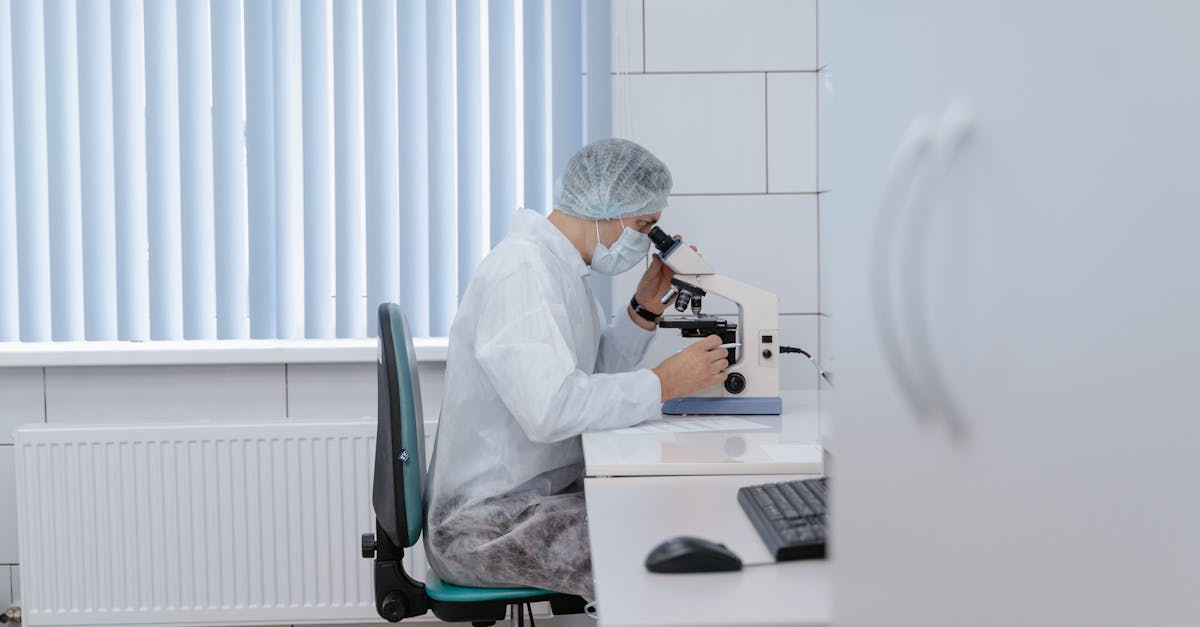
Hormonal acne affects many, driven by hormonal fluctuations.
Hormonal acne is a common skin condition that many individuals face, particularly during puberty, menstruation, pregnancy, and menopause. Unlike typical acne, which can occur due to various factors including bacteria and clogged pores, hormonal acne is primarily driven by fluctuations in hormones. Recognizing the causes and symptoms of this type of acne can help individuals manage their skincare effectively.
Understanding the Causes and Symptoms of Hormonal Acne
Hormonal acne is primarily linked to fluctuations in hormones, particularly androgens like testosterone. These hormones stimulate the sebaceous glands in the skin, leading to increased oil production. This excess oil can clog pores, creating an environment conducive to acne formation. Factors such as menstrual cycles, polycystic ovary syndrome (PCOS), and even stress can exacerbate these hormonal fluctuations, triggering breakouts.
In terms of symptoms, hormonal acne often appears as deep, cystic lesions rather than the surface-level pimples typical of other acne types. These breakouts usually manifest on the lower part of the face, particularly around the jawline and chin, and can be painful and inflamed. Additionally, hormonal acne may be accompanied by other symptoms such as irregular menstrual cycles or excessive hair growth, particularly in women, which can further indicate underlying hormonal imbalances.
Understanding these causes and symptoms is crucial for anyone experiencing hormonal acne. Knowledge about what drives these breakouts not only aids in identifying the condition but also empowers individuals to seek appropriate interventions. However, it’s essential to consult healthcare professionals for accurate diagnoses and tailored advice.
Effective Strategies for Managing Hormonal Acne Breakouts
Managing hormonal acne often requires a multi-faceted approach. Lifestyle modifications can be a great starting point. Maintaining a balanced diet rich in fruits, vegetables, and whole grains while minimizing processed foods and sugars may help regulate hormone levels. Regular exercise is also beneficial, as it can reduce stress—another factor that can exacerbate hormonal fluctuations. Staying well-hydrated aids in overall skin health and helps prevent clogged pores.
Skincare routines play a vital role in managing hormonal acne as well. Gentle cleansing with non-comedogenic products can remove excess oil without irritating the skin. Ingredients such as salicylic acid and benzoyl peroxide can be effective in treating existing breakouts and preventing new ones. However, individuals should be cautious with harsh products, as they can exacerbate inflammation and irritation.
In addition to lifestyle and skincare modifications, consulting with a healthcare professional for potential hormonal treatments may be advisable. Options such as hormonal contraceptives or anti-androgens like spironolactone can help regulate hormone levels and reduce acne. It’s essential to approach treatment under the guidance of a qualified healthcare provider who can customize a plan based on individual health needs and concerns.
Hormonal acne can be a challenging condition, but understanding its causes and symptoms is the first step toward effective management. By incorporating lifestyle changes, a tailored skincare regimen, and consulting healthcare professionals, individuals can take proactive steps to mitigate breakouts. As with any health concern, seeking expert advice is crucial for finding the most effective solutions tailored to one’s unique needs.