
What Is Cancer Screening
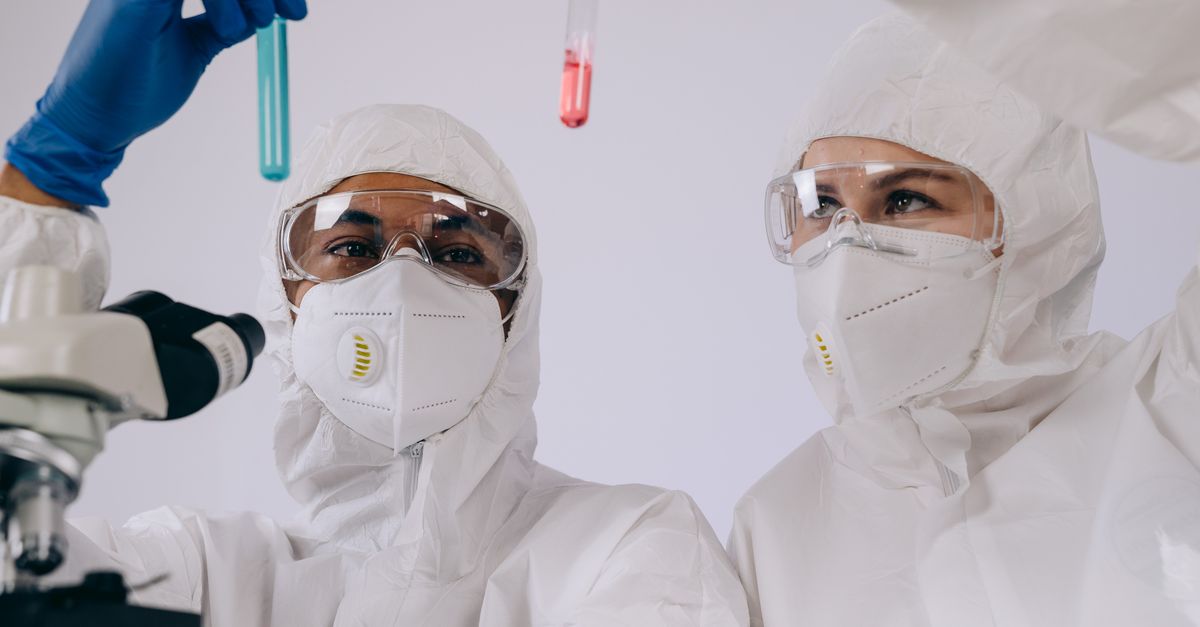
Cancer screening plays a key role in early detection and prevention.
===
Cancer screening is a critical component of preventive healthcare aimed at detecting cancer at its earliest stages. By identifying cancer before symptoms appear, screening can significantly increase the chances of successful treatment and improve survival rates. As the global burden of cancer continues to rise, understanding the significance of these screening tests becomes increasingly vital for individuals and healthcare systems alike. This article delves into what cancer screening encompasses, its importance for early detection, and the various types of screening tests available.
Understanding the Importance of Cancer Screening for Early Detection
Cancer screening refers to the process of testing for cancer in individuals who do not yet have any symptoms. The primary objective is to identify cancer early when it is more likely to be treatable. Many cancers, such as breast, cervical, and colorectal, have well-established screening protocols that can lead to early intervention. On a larger scale, early detection through screening not only improves individual outcomes but also contributes to broader public health goals by reducing the overall cancer burden.
The importance of cancer screening cannot be overstated. Screening can result in the discovery of pre-cancerous conditions, allowing for timely interventions that can prevent cancer from developing. Moreover, early-stage cancers often require less aggressive treatment compared to those diagnosed at more advanced stages. This can translate into better quality of life for patients, fewer side effects from treatment, and ultimately, higher survival rates.
Furthermore, effective cancer screening programs can alleviate the pressure on healthcare systems. By catching cancers early, the demand for extensive and often expensive late-stage treatments decreases, allowing for more efficient allocation of healthcare resources. As more individuals take part in regular screening, public awareness and education about cancer prevention and treatment can improve, fostering a culture of proactive health management.
Key Types of Cancer Screening Tests and Their Benefits
There are several key types of cancer screening tests, each designed to detect specific types of cancer. Mammograms are pivotal for breast cancer screening, utilizing X-ray technology to identify abnormal growths in breast tissue. Similarly, Pap smears are crucial for cervical cancer, where a sample of cervical cells is examined for pre-cancerous changes. For colorectal cancer, colonoscopies allow physicians to inspect the colon for polyps or other abnormalities directly, and these tests can also remove polyps during the procedure.
Each type of cancer screening test offers unique benefits tailored to its targeted cancer type. For instance, mammograms can detect breast cancer up to three years before it can be felt by physical examination, while colonoscopies can both diagnose and prevent colorectal cancer in one procedure. Screening tests not only provide early detection but also contribute to patient education and empowerment, enabling individuals to make informed decisions about their health and lifestyle choices.
It's important to note that while cancer screening tests are beneficial, they are not without risks. False positives can lead to unnecessary anxiety and further invasive procedures, while false negatives may provide a false sense of security. Therefore, individuals must engage in open discussions with healthcare professionals to weigh the benefits and risks of screening, taking into account personal and family medical histories as well as lifestyle factors.
===
In conclusion, cancer screening is a vital tool in the fight against cancer, focusing on early detection and prevention. Understanding the significance of these screening tests and their various types can empower individuals to take proactive steps in managing their health. By fostering a culture of awareness and regular screening, we can improve outcomes not only for individuals but also for the healthcare system as a whole. As advancements in medical science continue to emerge, staying informed about screening options and consulting healthcare professionals for personalized advice remains crucial for effective cancer prevention.