
What is brittle diabetes and how is it managed
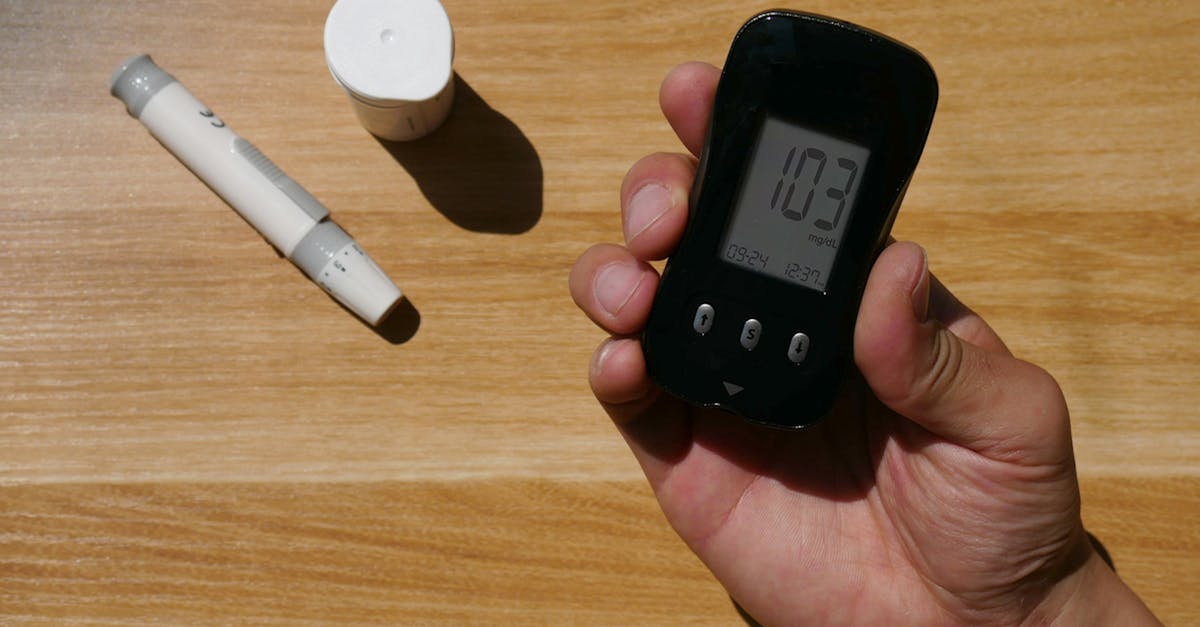
Brittle diabetes poses unique challenges in management and care.
Brittle diabetes is a complex and challenging condition characterized by severe fluctuations in blood glucose levels, often resistant to conventional management techniques. This unpredictable nature can lead to significant health complications and impacts the daily lives of those affected. Understanding the causes and symptoms of brittle diabetes is essential for effective management and improving the overall quality of life for patients. In this article, we will delve into what brittle diabetes is and explore effective strategies for managing this demanding condition.
Understanding Brittle Diabetes: Causes and Symptoms Explained
Brittle diabetes, often referred to as "labile diabetes," is typically categorized as a subtype of Type 1 diabetes, though it can also occur in individuals with Type 2 diabetes. It is characterized by an extreme volatility in blood glucose levels, which can swing dramatically between hyperglycemia (high blood sugar) and hypoglycemia (low blood sugar). These fluctuations can occur without a clear cause, making it particularly difficult to manage. Factors contributing to brittle diabetes can include hormonal changes, metabolic disturbances, and psychological factors such as stress or anxiety.
Symptoms of brittle diabetes are similar to those experienced in other forms of diabetes but are often more severe and unpredictable. Patients may experience frequent episodes of hypoglycemia, which can lead to symptoms like sweating, dizziness, confusion, and weakness. Conversely, hyperglycemic episodes can manifest with symptoms such as increased thirst, frequent urination, fatigue, and blurred vision. The unpredictable nature of these symptoms can create a challenging environment for patients, disrupting their daily activities and contributing to mental health struggles.
Identifying brittle diabetes often requires careful observation and monitoring of blood glucose levels over time. While there is no definitive test for brittle diabetes, healthcare professionals may use continuous glucose monitors and other diagnostic tools to assess blood sugar variability. It’s essential for patients to maintain detailed records of their blood glucose levels, dietary intake, and any relevant lifestyle factors to help pinpoint triggers and patterns.
Effective Management Strategies for Brittle Diabetes Patients
Managing brittle diabetes requires a comprehensive approach that goes beyond traditional diabetes care. One effective strategy is to collaborate closely with a multidisciplinary healthcare team, including endocrinologists, diabetes educators, dietitians, and mental health professionals. This collaborative effort allows for a tailored treatment plan that addresses not only glucose management but also the psychological factors that can exacerbate the condition.
Education plays a crucial role in empowering patients to take control of their condition. Understanding how various foods, physical activity, stress, and hormonal changes affect blood sugar levels can help individuals make informed choices. Regular training on how to recognize the signs of hypoglycemia and hyperglycemia, as well as how to respond appropriately, is vital. Patients may benefit from learning advanced carbohydrate counting and insulin management techniques, supplemented by the use of continuous glucose monitoring systems for real-time feedback on their blood glucose levels.
Incorporating lifestyle modifications is also essential in managing brittle diabetes. Regular exercise, a balanced diet rich in nutrients, and stress management techniques such as mindfulness or yoga can significantly impact overall health and glucose stability. Routine consultations with healthcare providers to adjust insulin regimens and address any complications can further enhance management efforts. Ultimately, a proactive and informed approach to managing brittle diabetes can lead to improved health outcomes and a better quality of life for those affected.
Brittle diabetes presents unique challenges that require a multifaceted management approach. By understanding its causes and symptoms, patients can be better equipped to navigate the complexities of their condition. Collaboration with healthcare professionals, patient education, and lifestyle modifications are critical components in achieving better blood glucose control and enhancing overall well-being. Those living with brittle diabetes should remain proactive in seeking support and guidance from qualified healthcare providers, ensuring they are well-informed about their condition and treatment options.