
What Is a Fracture and How Does It Heal
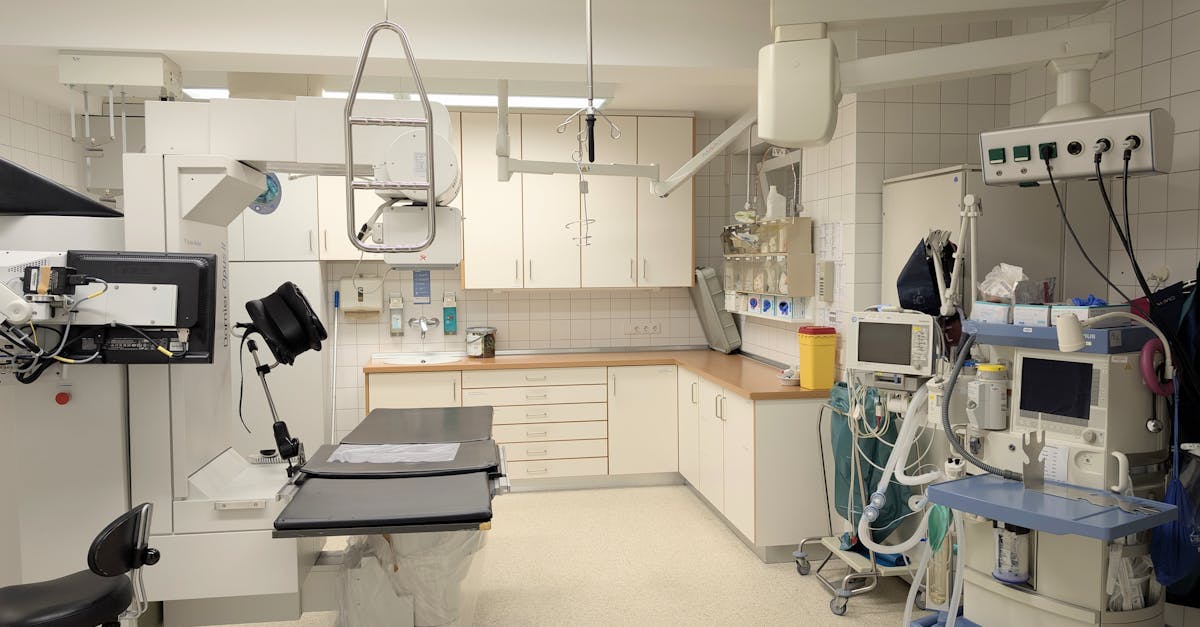
Fractures are common injuries; understanding their healing process is vital.
Fractures are a common occurrence in both everyday life and high-impact sports, characterized by a break or crack in a bone. Understanding what a fracture is and how it heals is crucial not only for individuals at risk but also for healthcare professionals who treat these injuries. This article delves into the types, causes, and symptoms of fractures, as well as the intricate healing process that follows.
Understanding Fractures: Types, Causes, and Symptoms
Fractures can be categorized into several types based on their characteristics. The most common types include simple fractures, where the bone breaks cleanly without damaging surrounding tissue, and compound fractures, where the bone pierces through the skin, increasing the risk of infection. Other types include stress fractures, which occur due to repetitive force or overuse, and comminuted fractures, where the bone shatters into multiple pieces. Each type has its own implications for treatment and healing.
The causes of fractures are diverse, ranging from traumatic injuries such as falls or accidents to medical conditions like osteoporosis, which weakens bones. Sports injuries are also a frequent cause, especially in contact sports where falls or collisions may occur. Certain lifestyle factors, including nutritional deficiencies, can predispose individuals to fractures by compromising bone strength.
Symptoms of a fracture often include pain, swelling, bruising, and difficulty using the affected area. In some cases, an audible cracking sound may be heard at the time of injury. It is important for individuals experiencing these symptoms to seek medical attention promptly to ensure proper diagnosis and treatment.
The Healing Process: How Bones Repair After a Fracture
The healing process of a fracture is complex and typically occurs in several stages. Initially, the body responds with inflammation, which is crucial for healing. Blood vessels around the fracture site constrict, followed by the formation of a blood clot or hematoma that provides a scaffold for new tissue. This inflammatory phase lasts for several days and is vital for setting the stage for subsequent healing.
Next, the body enters the reparative phase, where a soft callus forms around the fracture site. This callus consists of collagen and cartilage, providing temporary stability. Over the following weeks, the soft callus is gradually replaced by a hard callus made of bone. This process is influenced by various factors, including age, nutrition, and the type of fracture. Adequate calcium and vitamin D are essential during this phase to promote bone formation.
Finally, the remodeling phase can last for months or even years, during which the new bone gradually reshapes itself to restore strength and functionality. The bone undergoes continuous resorption and formation, ensuring that it can withstand normal stresses. Monitoring the healing process through follow-up imaging is often essential to assess recovery and make necessary adjustments to treatment plans.
Understanding fractures and their healing process is essential for both patients and healthcare providers. By recognizing the types, causes, and symptoms of fractures, individuals can take proactive steps to protect their bone health. Moreover, knowledge of the healing process can foster patience and adherence to medical advice, ensuring optimal recovery. Always consult with qualified healthcare professionals for personalized assessment and treatment options.