
What Disabilities Can Occur After a Stroke
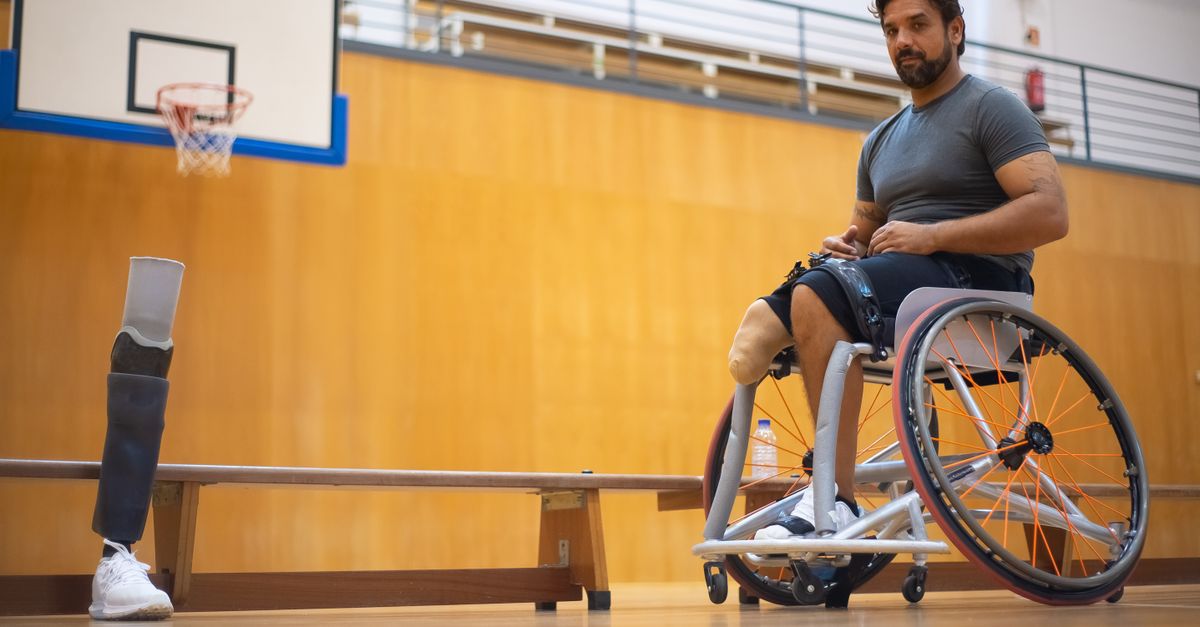
Stroke can lead to various disabilities, impacting recovery.
===
A stroke can be a life-altering event, leading to various disabilities that significantly affect a person's physical and mental well-being. Understanding these disabilities is crucial for caregivers, healthcare professionals, and stroke survivors to navigate the complexities of recovery and rehabilitation. This article delves into the common disabilities that can arise after a stroke, along with their impact on daily functioning and overall quality of life.
Understanding Common Disabilities Following a Stroke
Strokes can lead to a range of disabilities, primarily due to brain damage affecting motor skills, cognitive functions, and emotional well-being. One of the most noticeable consequences is hemiparesis or hemiplegia, where one side of the body becomes weak or paralyzed. This condition can hinder mobility, making it challenging for individuals to perform basic tasks like walking or using their hands. The severity of these disabilities can vary, depending on the location and extent of the brain damage.
Cognitive impairments are also common after a stroke. Survivors may experience difficulties with memory, attention, problem-solving, or executive functions, which can affect their ability to process information and make decisions. These cognitive disabilities often go hand in hand with emotional changes, such as depression or anxiety, leading to a complex interplay of challenges that require comprehensive rehabilitation strategies.
In addition to physical and cognitive challenges, many stroke survivors face speech and language disorders, such as aphasia. This condition affects a person’s ability to communicate effectively, making it difficult to express thoughts or understand spoken language. Speech therapy can play a critical role in helping individuals regain their communication skills, but the journey can be lengthy and requires patience and support.
Impact of Stroke on Daily Functioning and Quality of Life
The disabilities resulting from a stroke can significantly disrupt a person's daily life. For instance, mobility challenges can affect basic activities such as bathing, dressing, and cooking, often requiring assistance from caregivers or family members. This shift not only impacts the individual's independence but can also place a strain on relationships and increase feelings of isolation.
Cognitive and emotional disabilities further complicate daily functioning. The inability to concentrate or remember important tasks can hinder a person's ability to return to work or engage in social activities. Additionally, emotional changes like depression can lead to withdrawal from previously enjoyed activities, creating a cycle of inactivity and further emotional distress. Support systems, including family, friends, and mental health professionals, become essential in navigating these challenges.
Quality of life for stroke survivors often hinges on the effectiveness of rehabilitation and support systems in place. Engaging in tailored rehabilitation programs can enhance physical abilities and cognitive functions, contributing to a more fulfilling life post-stroke. Moreover, community support and resources play a vital role in enabling survivors to reintegrate into society, emphasizing the importance of both medical care and social connections in the recovery process.
===
In summary, the disabilities resulting from a stroke can profoundly affect an individual’s life, encompassing physical, cognitive, and emotional domains. Understanding these challenges is essential for effective rehabilitation and support. While the journey to recovery can be demanding, appropriate interventions and a strong support network can significantly enhance the quality of life for stroke survivors. As awareness grows, so too does the potential for improving outcomes through tailored rehabilitation and comprehensive care strategies.