
Wearable Health Technology Revolutionizes Indian Healthcare
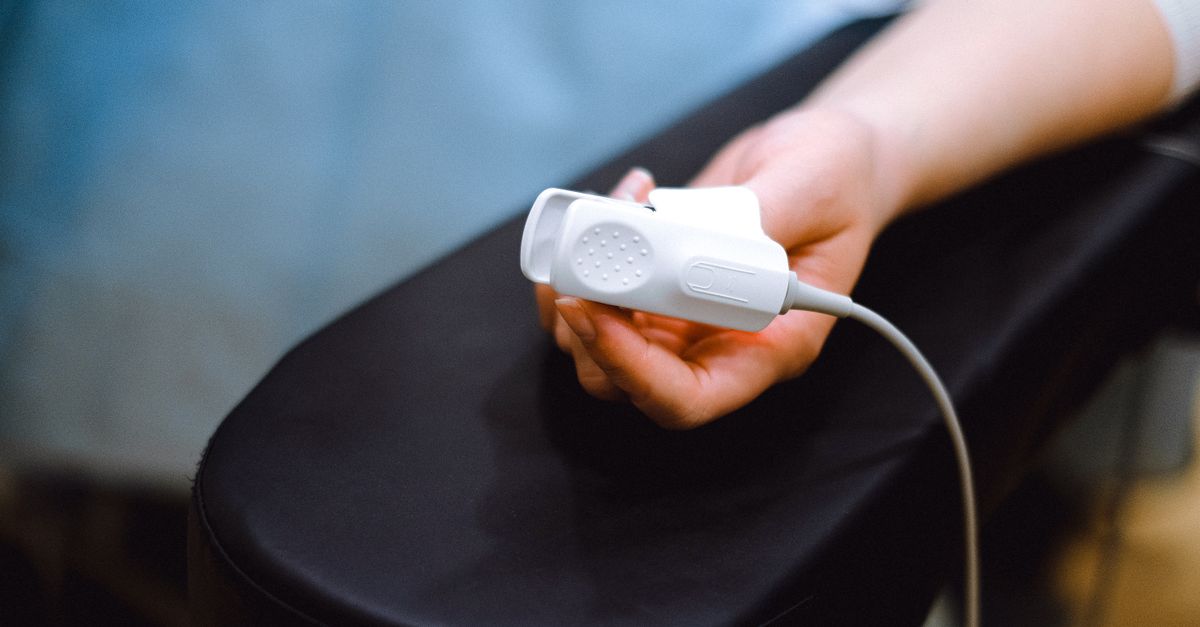
India embraces wearable health tech, transforming patient care and data management. Explore its impact on healthcare accessibility and innovation.
In the bustling streets of Bengaluru, a new wave of healthcare innovation is quietly taking root — wearable health technology. These devices, ranging from fitness trackers to advanced biosensors, are rapidly transforming the Indian healthcare landscape. With a burgeoning middle class and increasing health awareness, the adoption of wearable technology in India is reshaping how health data is collected, analyzed, and utilized.
Growing Market and Consumer Acceptance
India's wearable market is experiencing a significant boom. According to a report by the International Data Corporation (IDC), the wearable market in India saw a 118.2% year-over-year growth in 2021. Brands like Xiaomi, Apple, and local players such as boAt are fiercely competing for market share, bringing innovative and affordable options to the Indian consumer.
The appeal of wearable technology lies in its ability to provide real-time health monitoring. For a population increasingly conscious of lifestyle diseases such as diabetes and hypertension, devices that track heart rate, activity levels, and even blood oxygen saturation have become indispensable. The convenience of monitoring health metrics on-the-go resonates well with urban and rural populations alike, bridging gaps in traditional healthcare access.
Transformative Impact on Rural Healthcare
In rural India, where healthcare infrastructure often lags due to logistical and financial constraints, wearable technology presents a promising solution. Devices equipped with basic health monitoring capabilities can serve as a first line of defense, alerting users to potential health issues before they become critical.
NGOs and government initiatives are increasingly integrating wearable tech into their programs. For instance, the Indian government's Ayushman Bharat scheme, aimed at providing affordable healthcare, is exploring partnerships with tech companies to extend the reach of wearable devices in rural areas. This integration could significantly enhance early diagnosis and preventive healthcare, reducing the burden on overtaxed medical facilities.
Data Privacy and Security Concerns
As wearable devices collect vast amounts of personal health data, concerns about privacy and data security have surged. In a country with evolving data protection laws, ensuring the secure handling of sensitive health information is paramount. The Personal Data Protection Bill, which is still under discussion, aims to address these concerns but has yet to be enacted.
Healthcare providers and tech companies must collaborate to establish robust data protection protocols. Transparency in data usage and user consent are critical factors that will influence consumer trust and the broader adoption of wearable health technology. Without stringent safeguards, the risk of misuse or unauthorized access to personal health data remains a significant barrier.
Future Prospects and Innovation
The future of wearable health technology in India looks promising, with ongoing advancements in artificial intelligence and machine learning. These technologies are enhancing the capabilities of wearables, enabling them to provide more accurate and personalized health insights.
Startups and established firms are investing heavily in research and development to introduce next-generation wearables that can monitor complex health parameters like ECG and sleep patterns. The integration of AI-driven analytics will allow these devices to offer predictive health alerts, potentially revolutionizing preventive healthcare.
As wearable technology continues to evolve, its role in the Indian healthcare system will likely expand, offering new opportunities for improving patient outcomes and healthcare delivery. With the right regulatory framework and continued innovation, wearable health technology could become a cornerstone of health management in India.