
Vitamin D deficiency causing hair loss in Indians
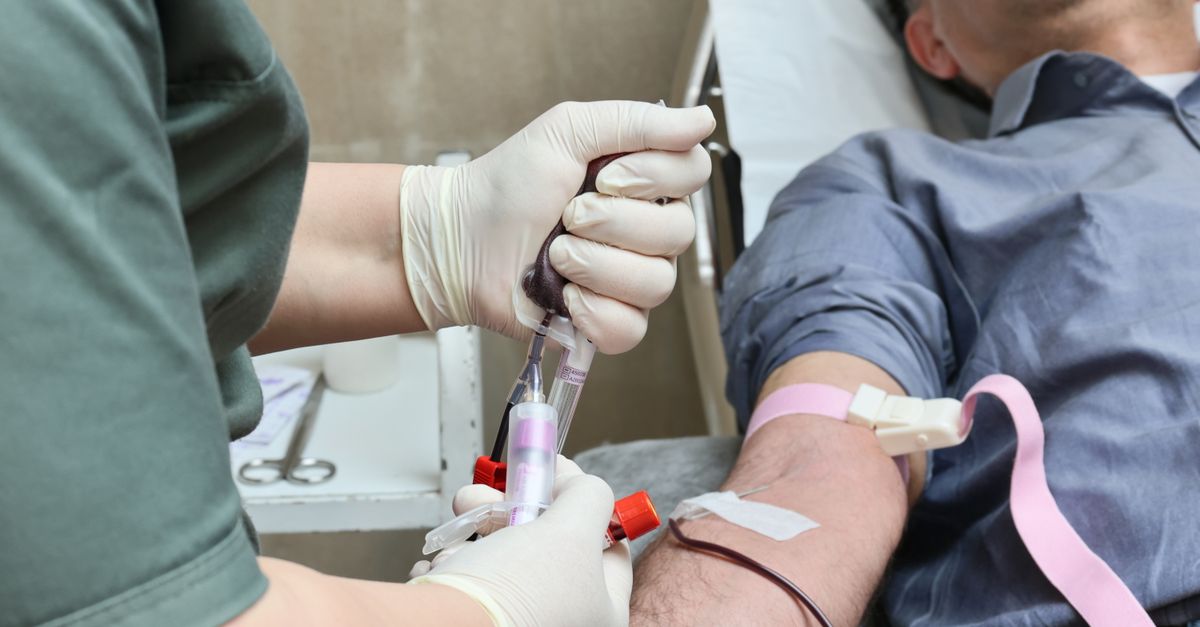
Vitamin D deficiency is linked to hair loss in many Indians.
Vitamin D deficiency has emerged as a significant public health concern in India, with its implications extending beyond bone health and immunity. Recent studies suggest a potential link between low levels of this essential vitamin and hair loss, causing alarm among many Indians facing thinning hair or bald patches. As the country grapples with rising cases of vitamin D deficiency due to lifestyle changes, dietary habits, and limited sunlight exposure, it is crucial to explore how this deficiency may contribute to hair health issues.
Understanding Vitamin D Deficiency and Its Impact on Hair Loss
Vitamin D, often referred to as the "sunshine vitamin," is vital for numerous bodily functions, including calcium absorption and immune system regulation. In India, a significant portion of the population suffers from vitamin D deficiency, influenced by factors such as urbanization, sedentary lifestyles, and increased indoor activities. Research indicates that low vitamin D levels can lead to various health issues, including weakened bones and compromised immune responses, but recent findings also highlight its role in hair health.
Hair growth is a complex process influenced by numerous factors, including nutrition, genetics, and hormonal fluctuations. Emerging evidence suggests that vitamin D plays a crucial role in the hair follicle cycle, particularly in promoting the growth phase known as anagen. Deficiency in this vitamin may disrupt the hair growth cycle, leading to hair thinning and increased shedding. Studies have noted that individuals with alopecia areata, a common autoimmune condition leading to hair loss, often exhibit significantly lower levels of vitamin D.
Addressing vitamin D deficiency is essential not only for general health but also for maintaining healthy hair. While dietary sources like fatty fish, fortified foods, and supplements can help, the natural synthesis of vitamin D through sunlight exposure remains the most effective method. However, the cultural and lifestyle factors in India often limit sun exposure, exacerbating vitamin D deficiency and its potential consequences for hair health.
Exploring the Connection Between Vitamin D and Hair Health in Indians
The relationship between vitamin D and hair health has garnered attention as more Indians report issues with hair loss. Several studies have suggested that vitamin D receptors (VDR) present in hair follicles may influence the hair growth cycle. When the body lacks sufficient vitamin D, it could impair the functioning of these receptors, leading to hair loss. This connection holds particular significance in India, where a combination of environmental and lifestyle factors contributes to widespread deficiency.
Cultural practices in India, such as the preference for indoors due to work and social norms, compounds the issue of vitamin D deficiency. Many Indians may not receive adequate sunlight, especially women who often remain covered for cultural reasons. Furthermore, dietary habits that lean towards vegetarianism can limit intake of natural vitamin D sources like fish and egg yolks. As a result, the population faces a dual challenge: managing hair health while addressing the underlying vitamin D deficiency.
The awareness around hair loss linked to vitamin D deficiency is growing, but comprehensive public health strategies are still lacking. Initiatives aimed at educating the public about the importance of vitamin D, advocating for sensible sunlight exposure, and promoting dietary changes could pave the way for improved hair health. It is essential for healthcare professionals to consider vitamin D levels in their assessments of patients presenting with hair loss, enabling more holistic approaches to treatment and prevention.
Vitamin D deficiency is a pressing issue in India, with implications that extend beyond physical health to affect emotional and psychological well-being, particularly in terms of self-image and confidence related to hair loss. As the connection between vitamin D and hair health becomes clearer, it is crucial for individuals to understand the importance of adequate vitamin D levels. Collaborative efforts in education, dietary modification, and lifestyle changes can contribute to better health outcomes. Consulting with healthcare professionals remains vital for assessing personal risk factors and determining appropriate interventions.