
Virtual patient desk for VIP patient handling workflows
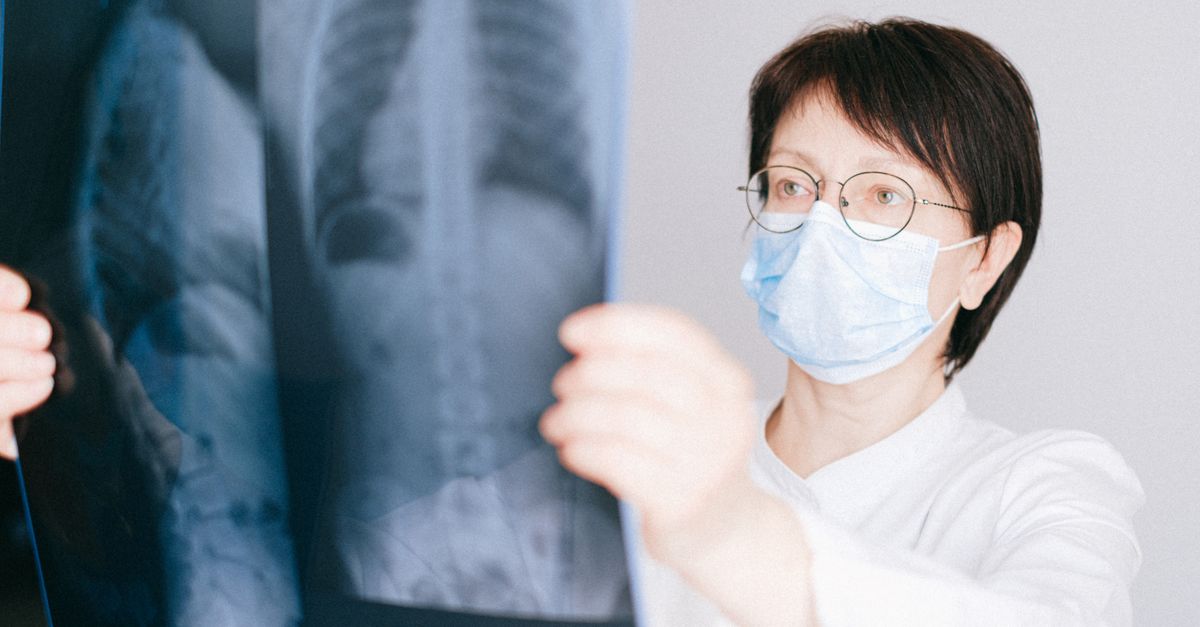
Revolutionizing VIP patient care with a virtual desk solution.
In the fast-evolving landscape of healthcare, delivering exceptional service to VIP patients has become a priority for many institutions. The introduction of virtual patient desks represents a significant advancement in handling workflows tailored to high-profile individuals. This article explores how virtual patient desks are enhancing the experiences of VIP patients while streamlining healthcare processes.
Enhancing VIP Patient Experiences with Virtual Desk Solutions
Virtual patient desks offer a unique, tech-driven solution for managing VIP patient interactions, providing a seamless interface for scheduling appointments, tracking medical history, and accessing personalized services. These platforms typically employ sophisticated algorithms to ensure that the needs of VIP patients are prioritized, enabling healthcare providers to respond swiftly to requests and changes in care requirements. The digital interface allows patients to easily communicate with their care teams, fostering a sense of security and trust.
Moreover, these virtual desks often integrate features like real-time updates and notifications, ensuring that VIP patients are always informed about their health status, upcoming consultations, or any changes in hospital policies. By using secure messaging systems, patients can directly connect with their healthcare providers, enabling quick clarifications and reducing the need for in-person visits. This level of accessibility not only enhances the patient experience but also mitigates the stress typically associated with navigating healthcare services.
Additionally, virtual patient desks are equipped with data analytics tools that help healthcare providers gain insights into patient preferences and behaviors. This information can be leveraged to offer tailored services, ensuring that each interaction is personalized. For instance, by analyzing appointment trends and patient feedback, hospitals can optimize their offerings, providing VIP patients with services that align with their specific needs and expectations.
Streamlining Healthcare Workflows for Premium Patient Care
The implementation of virtual patient desks significantly streamlines healthcare workflows, allowing providers to focus more on patient care rather than administrative tasks. By automating appointment scheduling and follow-ups, these systems reduce the time staff spend on repetitive tasks, freeing them up to engage more meaningfully with patients. This efficiency is particularly crucial for VIP patients, who often have busy schedules and expect a higher level of service.
Furthermore, virtual desks facilitate better coordination among healthcare teams, enhancing communication between specialists, nurses, and administrative staff. With shared access to patient information and treatment plans, all members of the care team can remain aligned on a patient’s journey, minimizing the chances of errors or miscommunication. This cohesive approach is vital in delivering premium care, especially for complex cases that involve multiple healthcare providers.
Adopting virtual patient desks also aligns with the growing trend of telemedicine and remote patient monitoring. These systems allow for continuous engagement with patients, even after they leave the hospital. By providing virtual follow-up consultations and monitoring tools, healthcare providers can ensure that VIP patients remain on track with their care plans, thus improving overall health outcomes and patient satisfaction.
Virtual patient desks represent a promising development in the field of healthcare, particularly in enhancing the experiences of VIP patients and streamlining workflows for providers. As technology continues to advance, these solutions will likely evolve, making premium patient care more efficient and accessible. Moving forward, healthcare institutions must embrace these innovations to meet the growing expectations of patients while maintaining high standards of care.