
Virtual patient desk for real-time patient updates and notifications
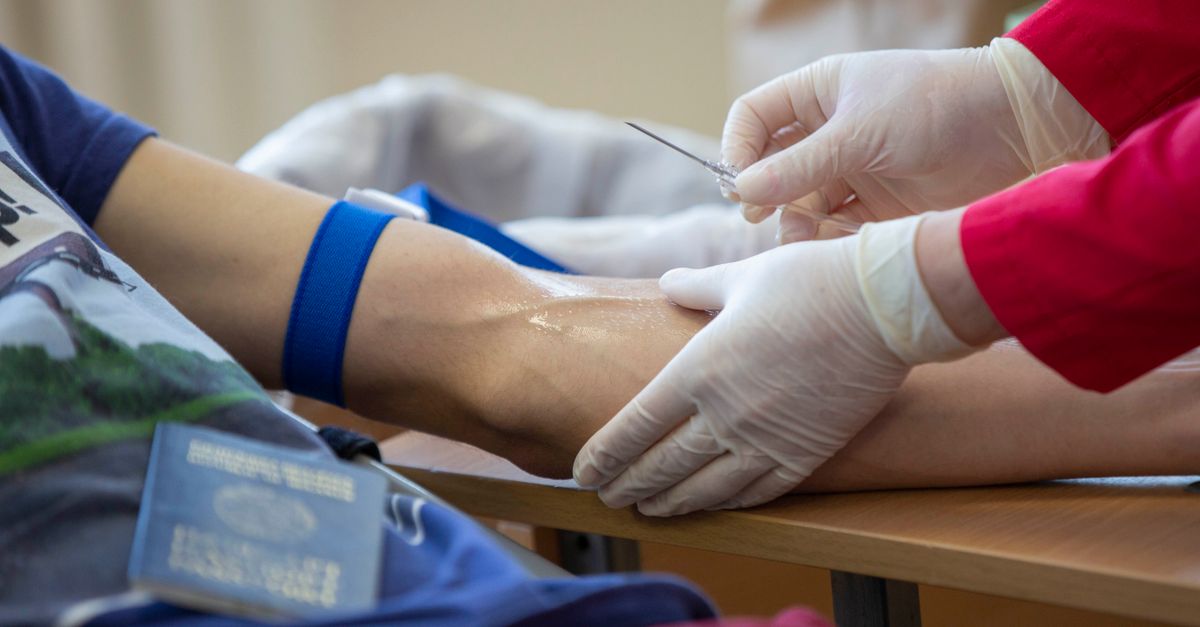
Explore how virtual patient desks enhance real-time healthcare updates.
In an era where technology continues to reshape the landscape of healthcare, the introduction of virtual patient desks marks a significant advancement in managing patient care. These digital platforms facilitate real-time updates and notifications, allowing healthcare providers to monitor their patients more efficiently. As healthcare systems evolve to meet the demands of a rapidly changing environment, understanding the functionalities of virtual patient desks becomes crucial for enhancing patient outcomes.
Enhancing Patient Care with Real-Time Updates via Virtual Desks
Virtual patient desks serve as centralized hubs for healthcare information, offering real-time updates on patient conditions, treatment plans, and necessary interventions. These platforms integrate with existing healthcare systems, enabling clinicians to access comprehensive patient records at the touch of a button. By providing timely notifications regarding patient status changes, healthcare providers can act swiftly and effectively, potentially improving clinical outcomes.
One of the key benefits of virtual patient desks is their ability to streamline communication among healthcare teams. Physicians, nurses, and allied health professionals can collaborate more efficiently, sharing updates and insights in real-time. This collaborative approach not only enhances the quality of care but also reduces the chances of miscommunication, which can lead to medical errors. The increased transparency that comes with these platforms helps foster a culture of accountability within healthcare settings.
Moreover, engaged patients receive notifications through these virtual desks, empowering them to take an active role in their own healthcare journey. By keeping patients informed about their treatment plans and any changes in their health status, healthcare providers can enhance patient satisfaction and adherence to medical advice. This proactive engagement not only builds trust between patients and providers but also encourages better health outcomes.
How Virtual Patient Desks Revolutionize Communication in Healthcare
The implementation of virtual patient desks is transforming the traditional communication dynamics within healthcare environments. With features that allow for instant messaging and video consultations, these platforms bridge the gap between patients and their healthcare teams. This capability is especially significant in light of the recent shift toward telemedicine, where immediate communication can be pivotal in managing patient needs.
In addition to facilitating communication between patients and providers, virtual patient desks also enable data sharing across various departments. For instance, laboratory results can be shared instantly with relevant specialists, ensuring that necessary adjustments to treatment plans can be made without delay. This interconnectedness cultivates a holistic approach to patient care, where all members of the healthcare team are informed and equipped to contribute to patient management.
Furthermore, virtual patient desks are equipped with analytics tools that can assess patient data trends over time. By leveraging this information, healthcare providers can identify potential issues before they escalate, allowing for preventive measures to be implemented. This proactive approach to patient management not only enhances the quality of care but also optimizes resource allocation within healthcare facilities, ultimately leading to a more effective healthcare system.
As healthcare continues to evolve, the adoption of virtual patient desks is paving the way for enhanced communication and real-time updates that can significantly improve patient care. By fostering collaboration among healthcare teams and empowering patients, these innovative tools are transforming how care is delivered. As we move forward, embracing technology in healthcare seems not only beneficial but essential for meeting the complex needs of patients and providers alike.