
Virtual patient desk for omnichannel patient communication
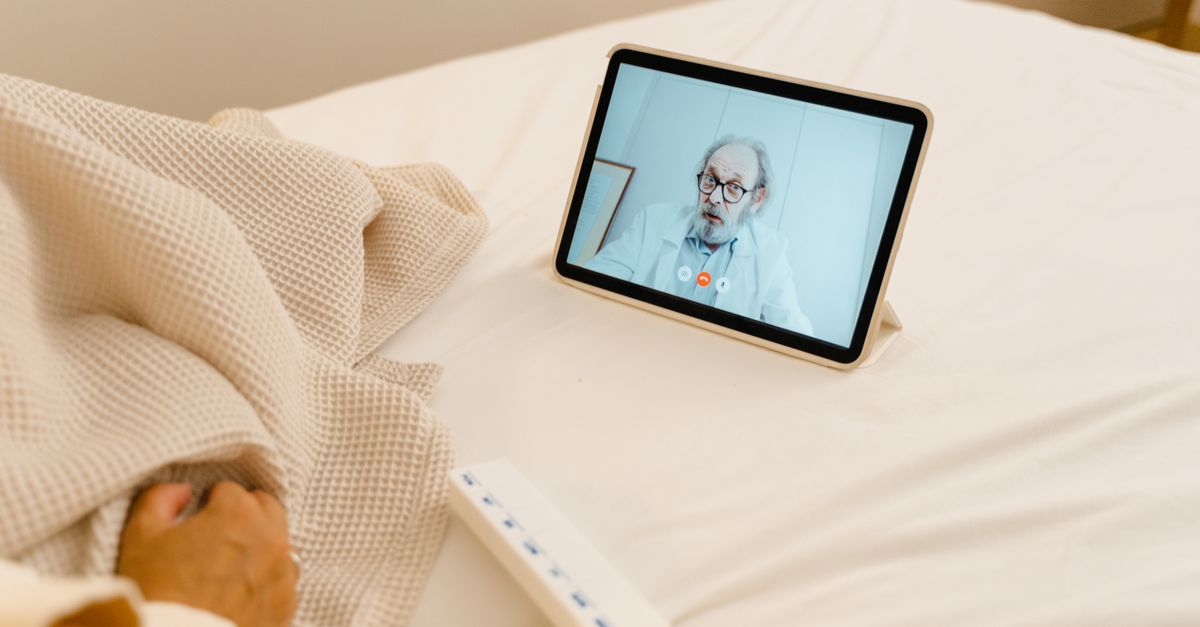
Revolutionizing patient communication through virtual desks.
The healthcare landscape is rapidly evolving, driven by advancements in technology and changes in patient expectations. One significant innovation is the introduction of virtual patient desks, which facilitate omnichannel communication between patients and healthcare providers. These platforms not only enhance patient engagement but also streamline healthcare delivery, making it more accessible and efficient. As healthcare systems increasingly adopt these tools, the implications for patient experience and overall care quality are profound.
Enhancing Patient Engagement with Virtual Communication Tools
The shift towards virtual patient desks reflects a broader trend in healthcare where patient engagement is prioritized. These digital platforms allow for seamless communication across various channels—be it through mobile apps, web portals, or chatbots. This omnichannel approach ensures that patients can easily access information and services at their convenience, fostering a more inclusive healthcare experience. Research shows that patients who engage actively with their healthcare providers report higher levels of satisfaction and improved health outcomes.
Moreover, virtual patient desks are designed to accommodate diverse communication preferences, making healthcare accessible to a wider audience. For instance, younger patients may prefer texting or app-based communication, while older patients might gravitate towards email or phone calls. By offering multiple channels for interaction, healthcare providers can cater to these differing preferences, thereby enhancing patient engagement. This adaptability not only improves the patient experience but also helps providers build stronger relationships with their patients.
In addition, virtual communication tools facilitate timely and effective information sharing. Patients can receive reminders for appointments, follow-ups, and medication adherence through automated notifications. This proactive approach to communication reduces no-show rates and encourages patients to take an active role in their healthcare. Furthermore, the ability to ask questions or access educational resources online empowers patients to make informed decisions about their health, ultimately leading to better health management.
The Future of Healthcare: Omnichannel Patient Support Systems
As healthcare continues to integrate technology, the future of patient support systems looks increasingly omnichannel. The virtual patient desk is at the forefront of this transformation, acting as a central hub for all patient-provider interactions. This integration not only streamlines communication but also allows for a more holistic approach to patient care. With a unified view of the patient journey, healthcare providers can offer more personalized and coordinated care, addressing individual needs more effectively.
Beyond patient engagement, omnichannel support systems can also enhance operational efficiency within healthcare organizations. By automating routine tasks such as appointment scheduling and follow-up reminders, providers can allocate more time to direct patient care. This efficiency is crucial in a setting where healthcare professionals are often overburdened. The data collected through these channels can also provide valuable insights into patient behavior and preferences, aiding in the continuous improvement of services.
Furthermore, the shift to virtual patient desks aligns with broader trends in telehealth and digital health solutions. As more patients become accustomed to online interactions, the demand for these services is expected to rise. Health authorities and organizations are recognizing the importance of investing in these technologies, which are not only cost-effective but also enhance patient experiences. The future of healthcare, therefore, is likely to be characterized by innovations that prioritize accessibility, communication, and patient-centered care.
In conclusion, the implementation of virtual patient desks for omnichannel communication is a significant step forward in the healthcare sector. By enhancing patient engagement, streamlining communication, and improving operational efficiencies, these tools hold the potential to transform the patient experience. As technology continues to evolve, healthcare providers must adapt to these changes to meet the expectations of a modern patient population. The effective integration of virtual communication tools will play a crucial role in shaping the future of healthcare, ensuring that patients receive the support and care they need in a rapidly changing environment.