
Virtual patient desk for hyperlocal healthcare service delivery
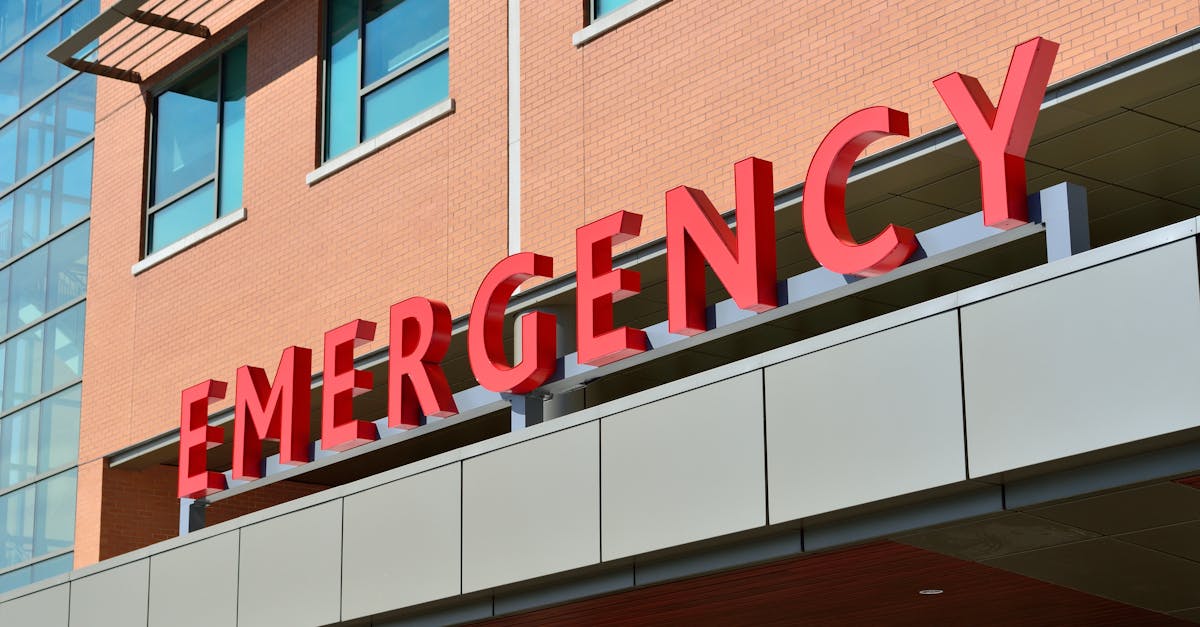
Revolutionizing local healthcare, the virtual patient desk enhances access.
As healthcare systems around the world evolve, the integration of technology into the delivery of medical services has emerged as a critical improvement. One such innovation is the concept of the "virtual patient desk," which offers hyperlocal healthcare service delivery tailored to meet the needs of specific communities. This approach not only enhances accessibility but also streamlines patient care, making healthcare more responsive and efficient.
Enhancing Local Healthcare Access with Virtual Patient Desks
The introduction of virtual patient desks is transforming how healthcare services are accessed in local communities. By providing a digital interface for patients to interact with healthcare providers, these desks facilitate remote consultations, appointment bookings, and health inquiries. This model is particularly beneficial in underserved areas where access to physical healthcare facilities may be limited. Patients can receive timely medical advice without the challenges of travel and long wait times, thus ensuring that local healthcare is both efficient and accessible.
Moreover, virtual patient desks can leverage telemedicine technologies to offer a range of services, from routine check-ups to specialist consultations. This flexibility allows healthcare providers to reach a broader audience while maintaining a high quality of care. For instance, patients living in rural or remote locations can connect with urban specialists, effectively bridging geographical gaps in healthcare availability. The result is not just improved patient satisfaction but also enhanced health outcomes, as individuals can seek help at the first sign of health issues.
In addition, these virtual desks often incorporate local health resources and information, ensuring that community members are informed about the services available to them. By tailoring healthcare delivery to the unique demographics and health needs of a locality, virtual patient desks foster a sense of ownership and responsibility among residents for their health, ultimately leading to stronger community health initiatives.
Bridging Gaps in Community Health Through Digital Solutions
The virtual patient desk model is instrumental in bridging existing gaps in community health by addressing various barriers that often impede access to medical care. One significant challenge in many communities is the shortage of healthcare professionals. Virtual patient desks can help alleviate this problem by connecting patients to a wider network of providers, thereby diversifying the options available to patients in need of care. This approach can particularly benefit areas facing a dearth of specialists, ensuring that even the most complex health issues can receive appropriate attention.
Additionally, these digital solutions offer enhanced data collection capabilities that can inform public health decisions. By analyzing patient interactions, healthcare providers can identify trends and emerging health issues within the community. This intelligence allows for proactive measures, such as targeted health campaigns or educational programs, to address specific needs. For example, if an uptick in respiratory issues is detected, local health authorities can mobilize resources to improve air quality or promote smoking cessation initiatives.
Furthermore, virtual patient desks can serve as an educational platform for communities, providing vital health literacy resources that empower individuals to make informed health decisions. By offering access to information on preventive care, nutrition, and chronic disease management, these platforms can improve overall community health and encourage proactive health-seeking behaviors among residents. This holistic approach to health empowers individuals, ultimately leading to healthier communities.
The emergence of virtual patient desks represents a significant advancement in the way healthcare services are delivered at a hyperlocal level. By enhancing access to medical consultations and bridging gaps in community health, these digital solutions not only improve patient outcomes but also foster community engagement and health literacy. As healthcare continues to evolve, embracing such innovative technologies will be essential in creating a more equitable and responsive healthcare system that meets the needs of all individuals, regardless of their location.