
Virtual patient desk for healthcare compliance documentation
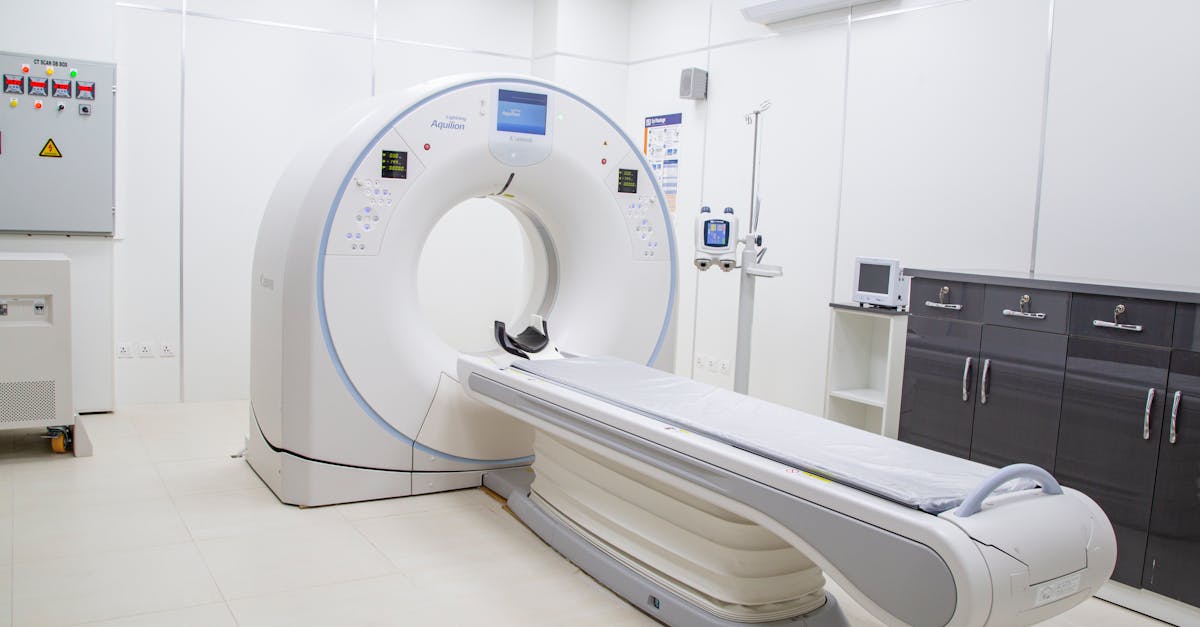
Streamlining healthcare compliance with a virtual patient desk.
In the fast-evolving landscape of healthcare, compliance with regulatory standards is vital for the safety and well-being of patients. Traditional methods of maintaining compliance documentation can often be cumbersome and time-consuming, leading to inefficiencies that detract from patient care. The advent of virtual patient desks offers a promising solution, streamlining the documentation processes necessary for compliance and ultimately enhancing healthcare delivery. This article explores the role of virtual patient desks in improving healthcare compliance documentation and how they can significantly contribute to better patient care.
Enhancing Healthcare Compliance: The Role of Virtual Patient Desks
Virtual patient desks function as digital platforms designed to manage healthcare compliance documentation efficiently. They enable healthcare providers to track and record patient interactions, treatment protocols, and regulatory requirements in real-time. This digitization minimizes the risks associated with paper-based documentation, such as loss of information and human errors, thereby ensuring that healthcare organizations adhere to necessary regulations. By employing automated systems, healthcare providers can easily monitor compliance metrics, fostering transparency and accountability within the organization.
Moreover, virtual patient desks facilitate seamless communication between healthcare professionals, regulatory bodies, and patients. Through integrated communication tools, healthcare providers can quickly update compliance documentation in response to regulatory changes or patient needs. This feature not only enhances the efficiency of compliance processes but also helps to build trust in the patient-provider relationship. Patients are more likely to feel secure knowing their healthcare provider is committed to upholding the highest standards of compliance and transparency.
Additionally, the implementation of virtual patient desks can also assist healthcare organizations in conducting regular audits and assessments. By automating the data collection process, these platforms help organizations stay prepared for inspections or compliance checks. The analytical tools embedded within these systems enable healthcare providers to generate real-time reports, allowing for quick identification of areas that may require improvement. Overall, the integration of virtual patient desks into healthcare compliance practices represents a significant advancement in the quest for quality and safety in patient care.
Streamlining Documentation Processes for Improved Patient Care
The efficiency brought about by virtual patient desks extends beyond compliance documentation; it significantly enhances the overall patient care experience. With streamlined documentation processes, healthcare professionals can dedicate more time to patient interactions rather than administrative tasks. This shift allows for a more patient-centered approach, where the focus is on delivering personalized care and addressing patient concerns promptly.
In addition to saving time, virtual patient desks also provide healthcare providers with immediate access to comprehensive patient histories and treatment plans. This accessibility ensures that care decisions are informed and timely, reducing the risk of errors stemming from incomplete information. Furthermore, the ability to quickly update and retrieve patient data fosters coordinated care among multidisciplinary teams, ultimately improving patient outcomes.
The integration of virtual patient desks encourages a culture of continuous quality improvement within healthcare organizations. By simplifying documentation processes, these platforms enable more frequent evaluations of care practices and compliance standards. Feedback mechanisms allow for the identification of best practices and areas needing attention, ensuring that healthcare organizations remain adaptable to emerging challenges. In essence, a streamlined documentation process not only enhances compliance but also leads to meaningful improvements in the quality of patient care.
In conclusion, the adoption of virtual patient desks marks a transformative shift in healthcare compliance documentation. By enhancing efficiency, accessibility, and coordination, these digital platforms empower healthcare providers to meet regulatory standards while prioritizing patient care. As the healthcare landscape continues to evolve, the integration of technology in compliance processes will remain essential for fostering a safe and effective healthcare environment. Embracing these innovations is crucial for healthcare organizations aiming to deliver high-quality care while navigating the complexities of regulatory compliance.