
Virtual patient desk for diagnostics booking and coordination
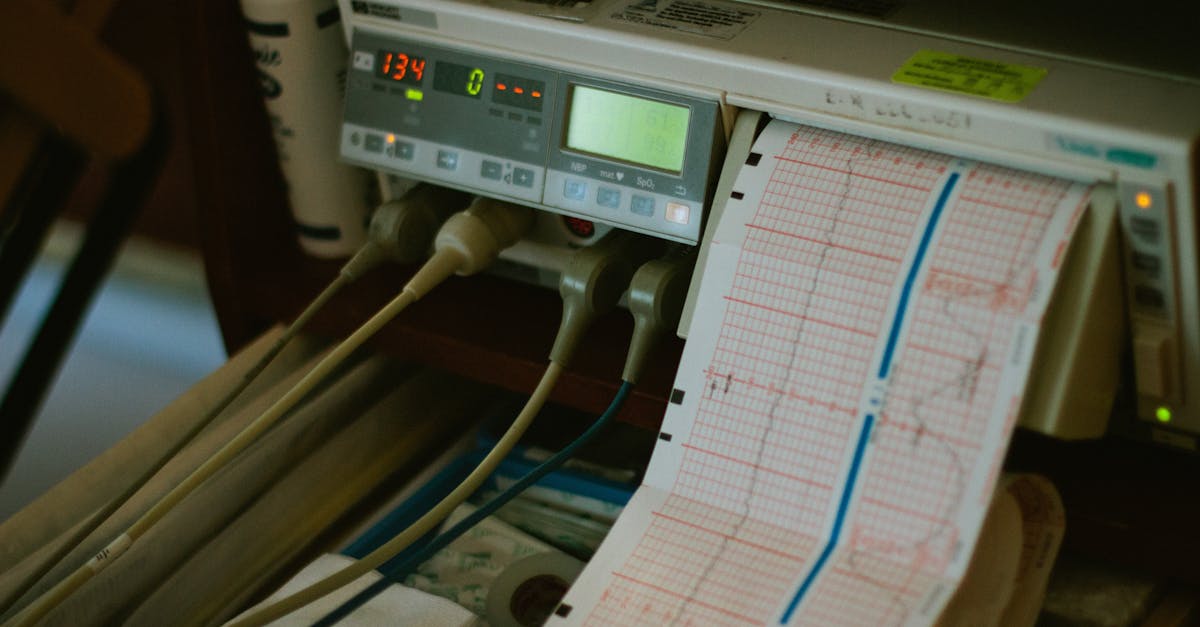
Virtual patient desks streamline diagnostics and improve care.
In an era where technology is transforming every aspect of our lives, the healthcare sector is no exception. One significant advancement is the introduction of virtual patient desks for diagnostics booking and coordination. These digital platforms are designed to streamline the process of scheduling diagnostic tests and consultations, thereby enhancing the overall patient experience. With the ability to integrate various healthcare services, virtual patient desks hold the potential to revolutionize how patients interact with healthcare providers.
Transforming Diagnostics: The Role of Virtual Patient Desks
Virtual patient desks serve as centralized hubs where patients can easily book diagnostic tests, labs, and consultations. By leveraging technology, these platforms offer a user-friendly interface that simplifies the complex process of navigating healthcare services. Patients can schedule appointments, access test results, and communicate with healthcare providers—all from the comfort of their homes. This convenience is especially beneficial in a country like India, where the healthcare infrastructure can often be fragmented.
Moreover, virtual patient desks enhance accessibility to diagnostic services, particularly for individuals in remote areas. With just an internet connection, patients can connect with diagnostic centers and specialist doctors, eliminating geographical barriers that have traditionally hindered access to quality healthcare. The seamless integration of telemedicine options within these platforms further supports continuity of care, making it easier for patients to consult healthcare professionals without the need for in-person visits.
Additionally, virtual patient desks can facilitate better patient education by providing comprehensive information about various tests and procedures. This educational component helps patients make informed decisions about their health, ultimately leading to better adherence to diagnostic recommendations. By improving communication between patients and providers, virtual patient desks aim to foster a more engaged and proactive approach to healthcare.
Streamlining Coordination for Efficient Healthcare Services
The coordination of healthcare services is critical for improving patient outcomes and reducing wait times. Virtual patient desks play a pivotal role in this coordination by acting as intermediaries between patients and diagnostic facilities. They can automatically route bookings to the appropriate labs or specialists, ensuring that patients receive timely and relevant care. This automated process reduces administrative burdens on healthcare staff and minimizes the likelihood of scheduling errors.
Furthermore, these platforms can provide real-time updates on appointment statuses, helping to manage patient expectations and reduce anxiety. For healthcare providers, having a centralized system for managing appointments can lead to more efficient use of resources. This capability not only enhances operational efficiency but also contributes to a better overall patient experience, as patients feel more valued and informed about their care journey.
The potential for data analytics within virtual patient desks also enhances coordination efforts. By analyzing booking patterns, patient demographics, and test outcomes, healthcare providers can better understand patient needs and optimize service delivery. This data-driven approach enables healthcare systems to identify areas for improvement, allocate resources more effectively, and enhance the quality of care provided to patients.
In conclusion, virtual patient desks represent a significant advancement in the realm of diagnostics booking and coordination. By simplifying the scheduling process and enhancing accessibility, these platforms have the potential to transform patient interactions with healthcare services. As technology continues to evolve, the integration of virtual patient desks into everyday healthcare practices could lead to more efficient and patient-centered care. However, it is essential for stakeholders in the healthcare sector to remain vigilant and ensure that these innovations are implemented thoughtfully, with the ultimate aim of improving patient outcomes and experiences.