
Virtual patient desk for cross-referral management in hospitals
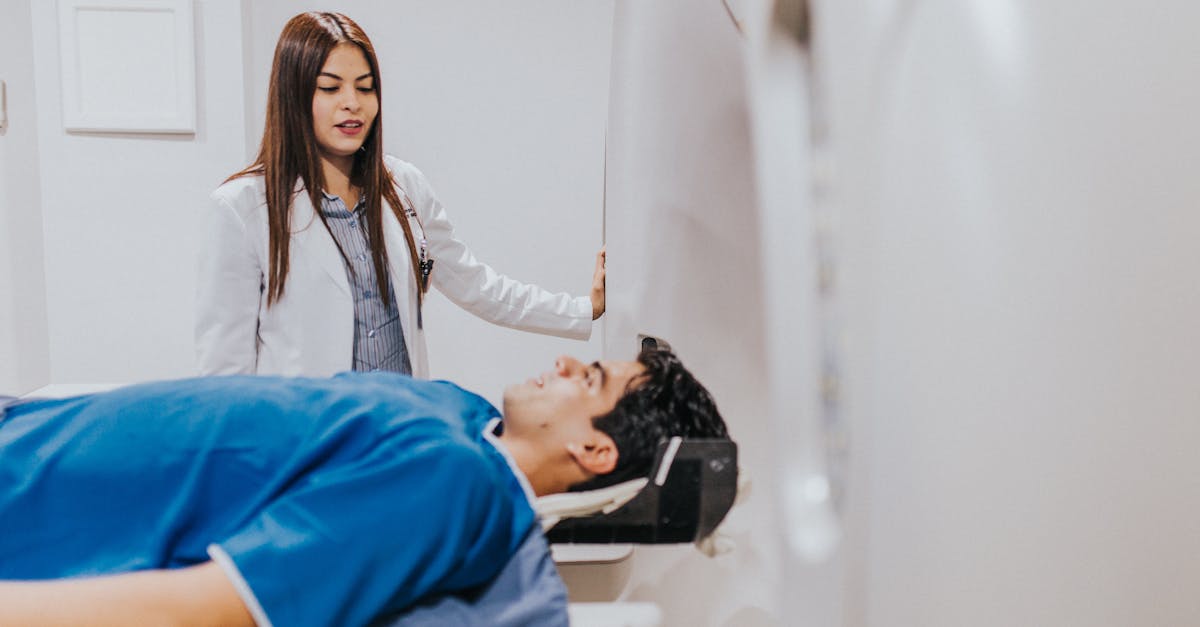
A virtual patient desk enhances hospital referral efficiency.
In the rapidly evolving landscape of healthcare, the coordination of patient care across various departments and facilities has become increasingly vital. One innovative solution gaining traction is the concept of a "virtual patient desk," designed specifically for cross-referral management in hospitals. This digital platform not only facilitates seamless communication between healthcare providers but also enhances the overall patient experience. In this article, we will explore how virtual patient desks can enhance hospital efficiency and streamline cross-referral processes for improved patient care.
Enhancing Hospital Efficiency with Virtual Patient Desks
The integration of a virtual patient desk in hospitals allows for a centralized platform where healthcare professionals can access and share patient information in real time. This technology eliminates the dependency on traditional paper-based referrals, which are often prone to delays and miscommunication. By digitizing the referral process, hospitals can significantly reduce the time taken to initiate consultations or transfer patient records, leading to quicker decision-making in patient care.
Moreover, virtual patient desks facilitate improved tracking of referrals, providing healthcare providers with analytics and insights into referral patterns. This data can be invaluable for optimizing resource allocation and identifying bottlenecks in patient management. With a clear understanding of referral trends, hospitals can better anticipate patient needs and adjust their services accordingly, ultimately enhancing operational efficiency.
Additionally, the virtual patient desk fosters interdisciplinary collaboration. By creating a shared digital space, specialists from various departments can consult with one another more easily, ensuring that patient care is holistic and comprehensive. This collaborative approach not only minimizes the risk of oversight but also promotes a culture of teamwork among healthcare providers, ultimately benefiting patient outcomes.
Streamlining Cross-Referral Processes for Better Patient Care
Cross-referrals are essential in ensuring that patients receive the specialized care they need. However, traditional referral methods often involve multiple steps and can lead to delays that compromise patient care. Virtual patient desks streamline this process by providing a straightforward and user-friendly interface for managing referrals. Healthcare providers can quickly submit referrals, view the status of pending requests, and communicate with specialists, all in one place.
The platform's ability to reduce administrative burdens is another significant advantage. By automating many of the clerical tasks associated with cross-referrals, such as document handling and appointment scheduling, virtual patient desks allow healthcare staff to focus more on direct patient care. This not only enhances staff satisfaction but also improves the overall patient experience by minimizing wait times and confusion.
Furthermore, virtual patient desks contribute to continuity of care by ensuring that all relevant patient information is easily accessible to specialists at the time of consultation. This means that healthcare providers can make informed decisions based on a comprehensive view of the patient’s history and current condition. Consequently, patients benefit from a more coordinated approach to care, reducing the chances of unnecessary tests or procedures and ensuring that they receive timely and effective treatment.
As hospitals continue to seek innovative solutions to improve patient care and operational efficiency, the implementation of virtual patient desks for cross-referral management represents a significant step forward. By streamlining communication, enhancing collaboration among healthcare professionals, and facilitating a more cohesive patient experience, this technology holds the potential to reshape how hospitals manage referrals and provide care. As the healthcare landscape evolves, embracing such digital innovations will be crucial in meeting the demands of patients and ensuring the highest standards of care.