
U.S. Resumes Partial Health Aid to Unicef, Gavi, WFP
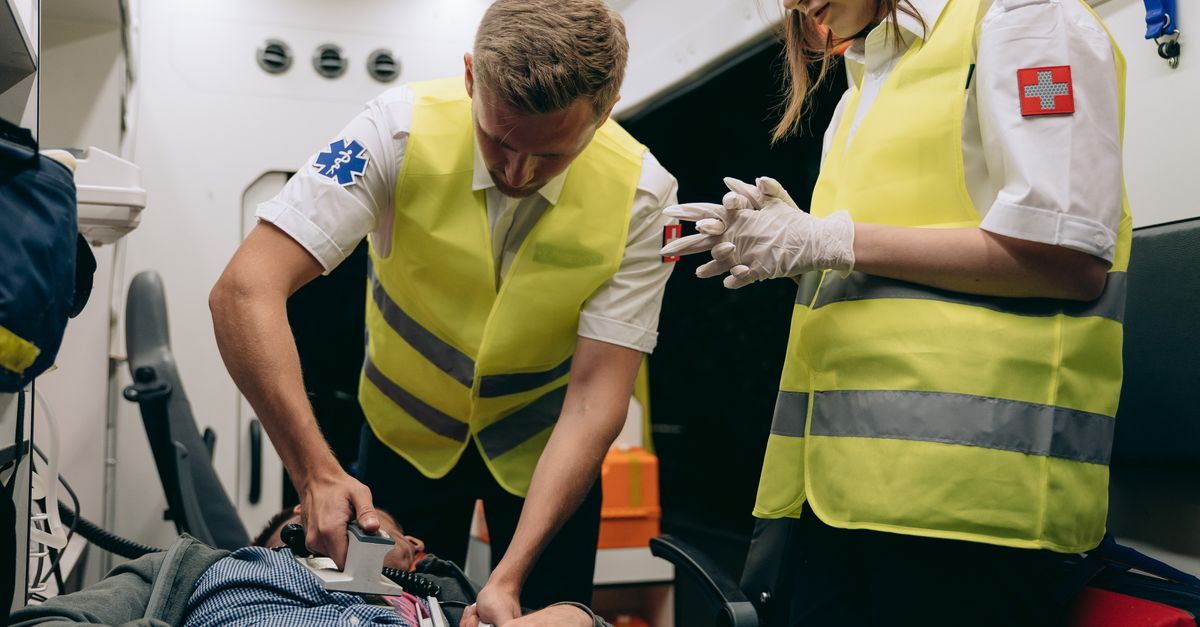
The U.S. has restarted some funding for Unicef, Gavi, and the World Food Programme, aiming to support global health and nutrition efforts.
The United States has announced the restoration of some financial aid to global health organizations including Unicef, Gavi, and the World Food Programme (WFP). This move marks a partial resumption of support aimed at combating malnutrition and disease worldwide, though the allocated amounts remain significantly lower than previous U.S. contributions.
Partial Funding Resumes Amid Global Health Challenges
The resumed funding comes at a critical time as global health organizations face mounting challenges in addressing widespread malnutrition and infectious diseases exacerbated by ongoing conflicts and the aftermath of the COVID-19 pandemic. Unicef has been pivotal in providing nutritional support and immunization services to vulnerable populations, while Gavi plays an integral role in vaccine distribution across low-income countries. The World Food Programme, meanwhile, is crucial in delivering food assistance to regions grappling with food insecurity.
The U.S. decision to reinstate some aid is seen as a step towards re-engaging with international partners in addressing these pressing global health issues. However, the funding levels are still considerably below historical commitments, raising concerns about the long-term impacts on these organizations' capacities to meet their goals.
Impact on Global Health Initiatives
With the partial restoration of U.S. aid, Unicef, Gavi, and the WFP are expected to bolster their efforts in critical areas such as childhood immunization, nutrition programs, and emergency food distribution. Unicef, for instance, has been striving to expand its reach to millions of children who missed routine vaccinations due to pandemic-related disruptions. Gavi's initiatives in distributing COVID-19 vaccines have been instrumental in safeguarding vulnerable populations, but sustained efforts are required to ensure equitable access to vaccines.
The World Food Programme, recipient of the Nobel Peace Prize in 2020 for its efforts to combat hunger, continues to face challenges as global food insecurity worsens. The partial funding from the U.S. could aid in stabilizing some of its programs, though the organization has indicated that much more support is needed to address the escalating needs.
Future of U.S. Humanitarian Aid
The current funding levels reflect a cautious approach by the U.S. administration, balancing domestic priorities with international responsibilities. Analysts suggest that while this move signals a positive shift in U.S. foreign aid policy, it underscores the necessity for a broader commitment to global health and humanitarian assistance.
As the world grapples with the continuing impacts of climate change, economic instability, and health crises, the role of international cooperation and funding becomes ever more critical. Stakeholders are calling for increased support and collaboration to ensure that organizations like Unicef, Gavi, and the WFP can effectively respond to global challenges and protect the most vulnerable populations.