
US Biotech Firms Rebound with Increased Venture Capital Investments
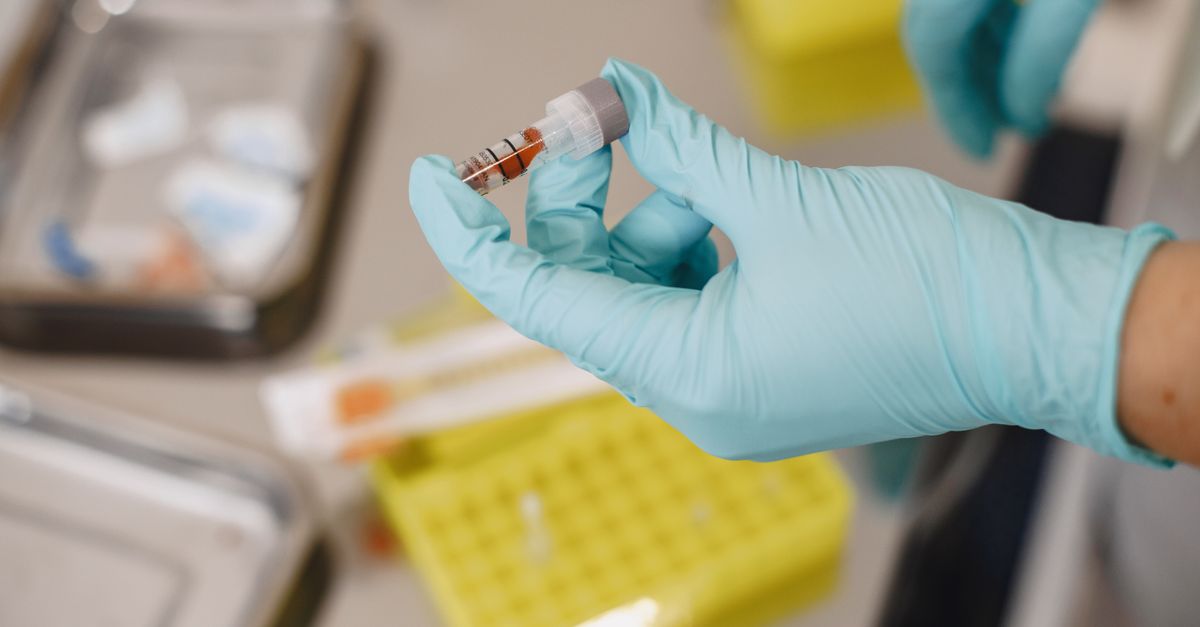
Venture capital is flowing back into US biotech, signaling recovery and renewed investor confidence in the sector.
After a period of cautious investment, US biotech companies are experiencing a resurgence in venture capital inflows. This recovery is not just a sign of market optimism but also a reflection of the growing importance of biotechnological innovation in addressing public health challenges and advancing medical science.
Why Venture Capital is Returning to Biotech
The COVID-19 pandemic underscored the critical role of biotechnology in healthcare, particularly in the rapid development of vaccines and therapeutic solutions. This has reignited investor interest in biotech firms, with venture capitalists looking to capitalize on the sector's potential for high returns. According to PitchBook, venture capital investment in US biotech reached $28.5 billion in 2022, marking a significant recovery from the downturn in 2021.
The restoration of investor confidence is partly driven by the success stories of companies like Moderna and BioNTech, whose mRNA technologies paved the way for pandemic-era breakthroughs. These successes have encouraged venture capitalists to seek opportunities in emerging biotech fields such as gene therapy, personalized medicine, and synthetic biology, where the potential for innovation and profitability is substantial.
Key Areas of Investment Focus
Investors are particularly interested in companies that are pioneering advancements in precision medicine and genetic engineering. With the FDA approving more personalized treatments and therapies, the demand for innovations that can tailor medical care to individual genetic profiles is increasing. In 2022, the FDA approved 37 new drugs, many of which were targeted therapies, underscoring this trend.
Moreover, the application of AI and machine learning in drug discovery and development is attracting significant venture capital. AI-driven platforms are enhancing the efficiency of drug development pipelines by predicting therapeutic efficacy and identifying potential side effects early in the process. These technologies are not only accelerating the pace of discovery but also reducing costs, a compelling proposition for investors.
Challenges and Opportunities
Despite the positive trend, US biotech companies face several challenges. Regulatory hurdles remain a significant concern, with the need for clear pathways from the FDA to navigate novel therapeutics. Additionally, the high cost of clinical trials and the time required to bring a product to market can deter investment.
However, these challenges also present opportunities. The Biden administration's commitment to bolstering the US's biomanufacturing capabilities could address some of these barriers. Initiatives aimed at streamlining regulatory processes and increasing funding for biotech research might further enhance the sector's attractiveness to investors.
The Impact on the Healthcare System
The influx of venture capital into US biotech is poised to have a transformative impact on the nation's healthcare system. By accelerating the development of new treatments and technologies, these investments could lead to more effective and personalized care options for patients. This evolution aligns with the Centers for Medicare & Medicaid Services (CMS) push towards value-based care, where the focus is on outcomes rather than services provided.
Furthermore, the potential for biotech innovations to reduce healthcare costs is substantial. With chronic diseases accounting for a significant portion of healthcare spending, biotech solutions that target these conditions at a genetic level could lead to savings for both patients and providers.
The Road Ahead
The recovery of venture capital investment in US biotech companies is a promising sign for the industry. As these firms continue to innovate and overcome regulatory and financial challenges, they are likely to play a pivotal role in shaping the future of healthcare. The renewed investor confidence also suggests a broader trend towards recognizing the strategic importance of biotechnology in the US economy.
As the sector continues to evolve, stakeholders in the US healthcare system will be watching closely to see how these investments translate into tangible benefits for patients and healthcare providers alike.