
Urban vs Rural Health Disparities in India: Bridging the Gap
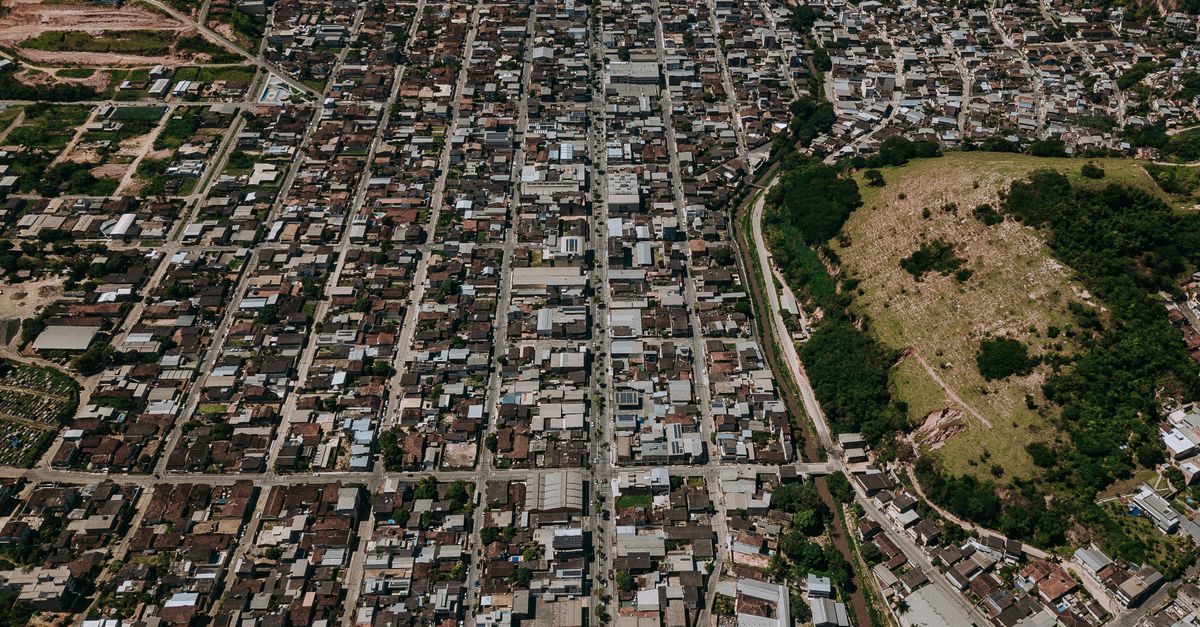
India's healthcare divide between urban and rural areas remains stark. Efforts to bridge the gap are crucial for equitable health outcomes.
In India, the contrast between urban and rural healthcare is stark, highlighting a divide that deeply affects health outcomes. While cities like Mumbai and Delhi boast state-of-the-art hospitals and a concentration of medical professionals, rural regions often struggle with basic health services. This disparity not only impacts the quality of care but also accessibility, making it a pressing issue for policymakers and healthcare providers.
Access to Healthcare Facilities
Urban areas in India benefit from a dense network of healthcare facilities, including multi-specialty hospitals, clinics, and diagnostic centers. In contrast, rural regions face a shortage of healthcare infrastructure. According to a 2022 report by the Ministry of Health and Family Welfare, approximately 75% of healthcare facilities are located in urban areas, serving only 31% of India's population. This imbalance leaves rural residents with limited access to essential medical services, often requiring them to travel significant distances for treatment.
Quality of Medical Personnel
The concentration of skilled medical personnel in urban centers further exacerbates the rural-urban divide. Urban hospitals attract specialists and experienced doctors, lured by better pay and professional opportunities. Conversely, rural areas experience a shortage of qualified healthcare workers. The World Health Organization highlights that rural regions in India have a doctor-patient ratio much below the recommended 1:1000 standard, compromising the quality of care provided.
Healthcare Affordability and Insurance
Affordability is another critical factor contributing to the healthcare disparity. Urban dwellers, often having higher incomes, are more likely to afford private healthcare or have health insurance. In contrast, rural populations, with lower income levels, often rely on underfunded public health services. Government initiatives like Ayushman Bharat aim to improve insurance coverage, but challenges remain in reaching remote areas effectively.
Technological Advancements and Telemedicine
Technological advancements, particularly telemedicine, offer a potential solution to bridge the healthcare gap. Telemedicine can provide rural populations access to urban specialists without the need for travel. During the COVID-19 pandemic, telehealth services saw a significant uptake; however, issues such as poor internet connectivity in rural areas pose challenges to widespread adoption. Efforts are underway to improve digital infrastructure to support these services.
Government Initiatives and Community Health Programs
The Indian government has launched several initiatives to address rural healthcare challenges. The National Rural Health Mission (NRHM), for instance, focuses on improving healthcare delivery in rural areas. Community health programs, including mobile health units and village health workers, aim to provide basic healthcare services and education. Despite these efforts, a comprehensive approach involving both policy reforms and community engagement is necessary to make substantial progress.
The journey to bridging the urban-rural healthcare gap in India is ongoing, requiring concerted efforts from both public and private sectors. As technology continues to evolve, its role in leveling the healthcare playing field is expected to grow, offering hope for more equitable health outcomes across the nation.