
Urban India's Surge in Chronic Disease Management: A Business Boom
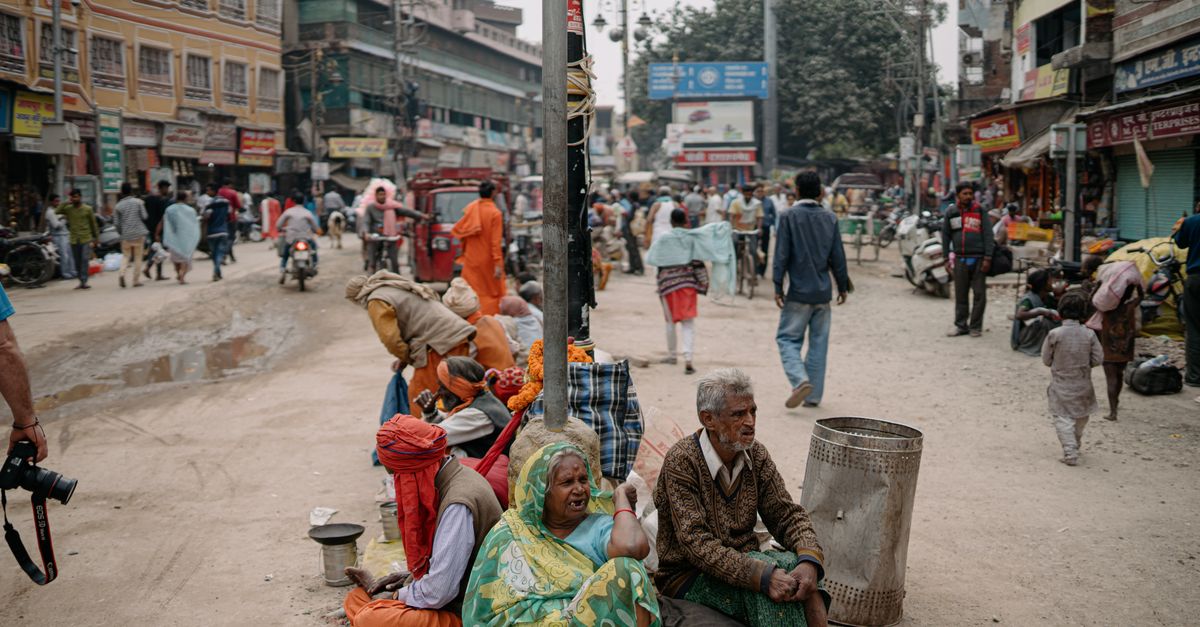
India's urban centers are seeing a business rise in managing chronic diseases, driven by lifestyle changes and increased healthcare access.
India's urban landscape is witnessing a burgeoning market in chronic disease management, fueled by the dual forces of lifestyle changes and enhanced healthcare accessibility. As cities expand and modernize, an increasing number of urban dwellers are facing chronic conditions such as diabetes, hypertension, and cardiovascular diseases. This trend has created a fertile ground for businesses that specialize in managing and mitigating these long-term health issues.
The Urban Health Challenge
Chronic diseases are becoming a major health challenge in urban India, where the fast-paced life often leads to sedentary habits, poor diet, and stress—all contributing factors to the rise of these conditions. According to a report by the Indian Council of Medical Research (ICMR), non-communicable diseases account for nearly 61% of deaths in India, with urban areas being disproportionately affected.
The economic impact of this health trend is profound. The World Health Organization (WHO) estimates that India could lose up to $4.58 trillion before 2030 due to non-communicable diseases. This alarming figure underscores the urgent need for effective chronic disease management strategies in urban settings.
Innovative Business Solutions
Healthcare startups and established companies alike are seizing the opportunity to address this growing need. Innovative solutions are emerging, ranging from digital health platforms to home-based care services. Companies like Practo and Portea are leveraging technology to provide personalized, continuous care that fits the urban lifestyle. These services offer everything from regular health monitoring to virtual consultations, making healthcare more accessible and less intrusive.
Additionally, wearable technology is playing a key role in chronic disease management. Devices that track vital statistics and provide real-time feedback empower patients to take an active role in managing their health. This proactive approach not only helps in early diagnosis but also in preventing the progression of diseases.
Public and Private Sector Collaboration
The rise of chronic disease management in urban India is also fostering collaboration between public and private sectors. Government initiatives such as the National Health Protection Scheme (NHPS) aim to provide financial aid for healthcare services, while private companies bring in innovation and efficiency. This synergy is crucial for developing scalable solutions that can reach the vast urban population.
Public-private partnerships are also focusing on building robust healthcare infrastructures, including specialized clinics and mobile health units, to ensure that even the most underserved urban areas have access to quality healthcare. Such collaborations highlight the potential for comprehensive strategies that address both immediate healthcare needs and long-term wellness.
Challenges and Opportunities Ahead
Despite the promising developments, significant challenges remain. The healthcare workforce in urban areas is often stretched thin, and there is a constant need for skilled professionals who can manage complex chronic conditions. Moreover, the cost of healthcare services can be prohibitive for many, even in urban settings.
There is also the issue of awareness. Many urban dwellers still lack adequate knowledge about managing chronic diseases, which can lead to late diagnosis and inadequate treatment. Addressing these gaps through education and community outreach programs is essential for the success of any chronic disease management initiative.
Looking ahead, the market for chronic disease management in urban India is poised for exponential growth. As more players enter the field, competition is likely to drive innovation and efficiency, ultimately benefiting patients. The integration of AI and data analytics in healthcare is expected to further transform how chronic diseases are managed, offering more personalized and predictive care solutions.
"The future of healthcare in urban India lies in smart, collaborative approaches that blend technology with empathy," says Dr. Mehta, a leading healthcare consultant based in Mumbai. Such approaches could redefine chronic disease management, setting a benchmark for other developing nations.