
Unseen Struggles: Chronic Pain in Indian Patients
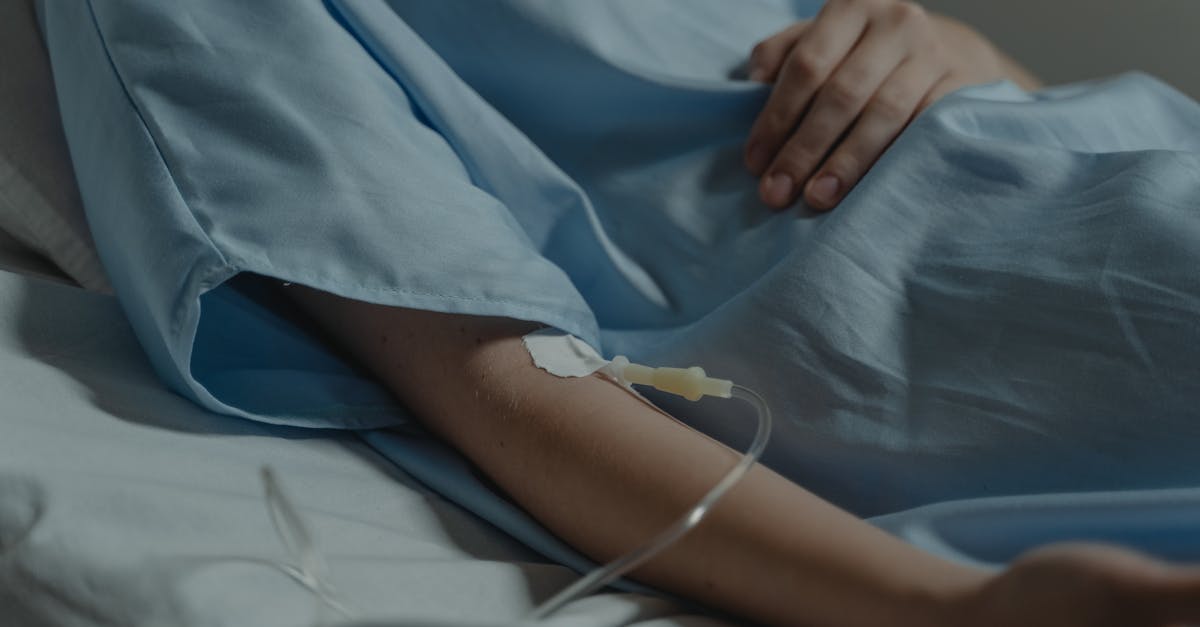
Chronic pain affects millions in India, yet remains under-addressed, impacting quality of life and economic productivity.
In India, millions of individuals grapple daily with the relentless grip of chronic pain, a condition often overshadowed by more visible health crises. Despite affecting nearly 20% of the population, chronic pain remains underdiagnosed and inadequately treated, posing significant challenges to both quality of life and the nation's economic productivity.
Why Chronic Pain Remains Under-Addressed
Chronic pain, unlike acute pain, persists over a long duration and can stem from conditions such as arthritis, fibromyalgia, and nerve damage. In India, the stigma associated with complaining about pain, combined with limited access to specialized pain management services, contributes to the underreporting and undertreatment of this condition. Many patients resign themselves to a life of pain, unaware of or unable to access effective interventions.
Medical infrastructure in India often prioritizes acute and infectious diseases, leaving chronic conditions like pain on the back burner. Furthermore, the lack of trained pain specialists and the high cost of pain management therapies, which are rarely covered by insurance, exacerbate the problem. As a result, patients frequently resort to over-the-counter painkillers, which provide temporary relief but can lead to long-term health issues if misused.
The Economic and Social Impact of Chronic Pain
The societal impact of chronic pain extends far beyond individual suffering. According to a 2018 study by the Indian Council of Medical Research, chronic pain significantly affects workforce productivity, with many individuals unable to maintain consistent employment due to their condition. This not only affects the patients' economic stability but also places an increased financial burden on their families and the healthcare system.
Moreover, the emotional toll of chronic pain can lead to mental health issues such as depression and anxiety, creating a vicious cycle that further hinders quality of life and work performance. In a cultural context where mental health is still stigmatized, those suffering from chronic pain may find it challenging to seek or receive adequate psychological support.
Pathways to Improved Pain Management
Addressing the hidden burden of chronic pain in India requires systemic changes and increased awareness. First, integrating pain management into primary healthcare can ensure earlier diagnosis and treatment. Training healthcare providers in pain assessment and management is crucial to expanding access to appropriate care.
Additionally, government policies must evolve to include chronic pain in health insurance coverage, making treatments more accessible. Public health campaigns can play a vital role in educating the population about the nature of chronic pain, reducing stigma, and encouraging those affected to seek help.
Innovative Approaches and Future Directions
Technological innovations offer promising avenues for enhancing chronic pain management in India. Telemedicine platforms can bridge the gap between specialists and patients in remote areas, providing access to expert care without the need for travel. Moreover, emerging treatments such as nerve stimulation therapies and personalized pain management plans are gaining traction and could offer more sustainable solutions for chronic pain sufferers.
Research into the cultural and genetic factors influencing chronic pain in Indian populations is also essential for developing targeted interventions. Collaborative efforts between government bodies, healthcare providers, and patient advocacy groups are necessary to create a more comprehensive approach to managing this condition.
As India continues to advance in healthcare innovation, addressing the burden of chronic pain must be a priority. Only by acknowledging the silent struggles of millions can the country move towards a future where pain management is not a privilege, but a standard component of healthcare.