
Unpacking the High Cost of Prescription Drugs in America
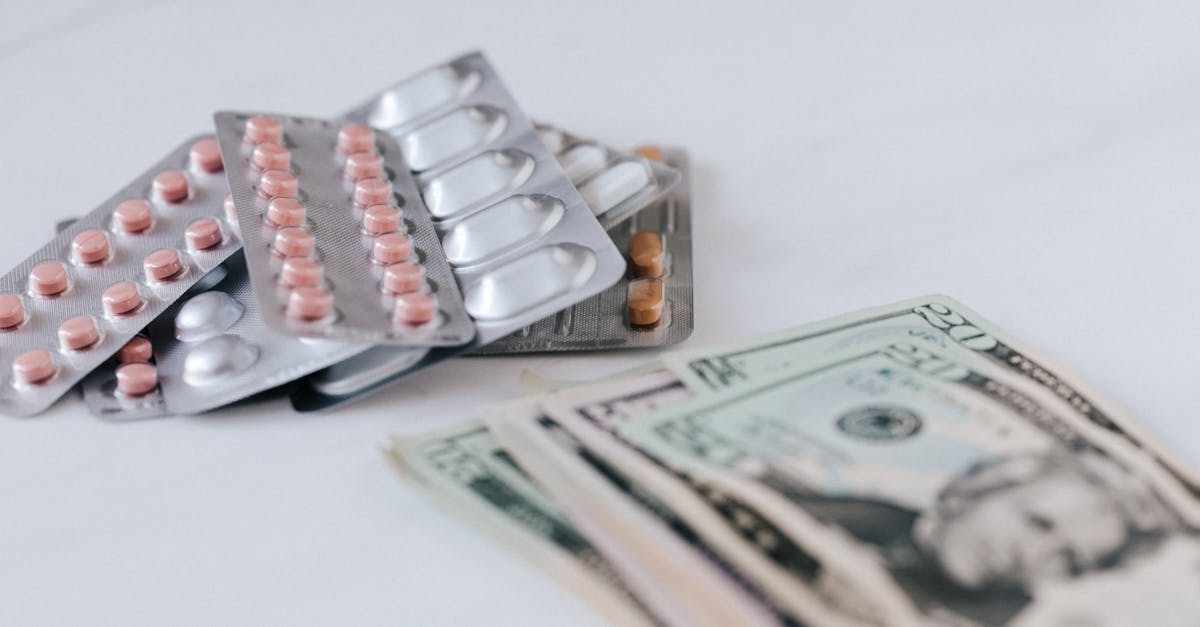
Explore the complex factors driving up prescription drug prices in the U.S., from regulatory hurdles to market dynamics.
When Americans pick up their prescriptions, they often face sticker shock at the pharmacy counter. The high cost of prescription drugs in the United States is a multifaceted issue, influenced by a labyrinth of regulatory, market, and systemic factors that make U.S. prices among the highest in the world.
The Role of Patents and Market Exclusivity
At the core of high drug prices is the patent system. Pharmaceutical companies in the U.S. are granted patents that typically last 20 years, allowing them to exclusively sell their drugs without generic competition. This monopoly enables them to set higher prices. Additionally, the Food and Drug Administration (FDA) grants market exclusivity for new drugs, extending this period even further in some cases. While these measures incentivize innovation, they also delay the introduction of cheaper generic options.
Lack of Pricing Regulation
Unlike many other countries, the U.S. does not have a government body that regulates the pricing of pharmaceuticals. The Centers for Medicare & Medicaid Services (CMS), which administers Medicare and Medicaid, is prohibited from negotiating drug prices directly with pharmaceutical companies. This lack of negotiation power means that drug manufacturers can set prices as they see fit, often resulting in higher costs for consumers.
The Role of Middlemen: PBMs
Pharmacy Benefit Managers (PBMs) are intermediaries between insurers, pharmacies, and drug manufacturers. They negotiate discounts and rebates on behalf of insurance companies. However, the lack of transparency in how these rebates are handled can lead to higher list prices. The rebates often do not translate into savings for consumers, contributing instead to the overall high cost of drugs.
Research and Development Costs
The pharmaceutical industry often cites the high cost of research and development (R&D) as a justification for high drug prices. Developing a new drug can cost upwards of $2.6 billion, according to the Tufts Center for the Study of Drug Development. These costs include not only the successful development of a drug but also the expense of failed trials. However, critics argue that these costs are inflated and that marketing expenses often surpass those of R&D.
Impact on Consumers and Policy Solutions
The impact of high drug prices is profound, with many Americans struggling to afford essential medications. According to a 2022 survey by the Kaiser Family Foundation, nearly one in four Americans report difficulty affording their prescriptions. Policymakers have proposed several solutions, including allowing Medicare to negotiate drug prices, importing cheaper drugs from Canada, and increasing transparency in how drug prices are set. However, these measures face significant opposition from the pharmaceutical industry.
As the healthcare debate continues, the issue of prescription drug pricing remains a flashpoint. "If we are to make healthcare more accessible and affordable, tackling drug prices must be a priority," says a leading health policy expert. Moving forward, the United States faces the challenge of balancing the need for innovation with the imperative of affordability.