
UNICEF Report: Child Mortality Rates Show Slow Progress
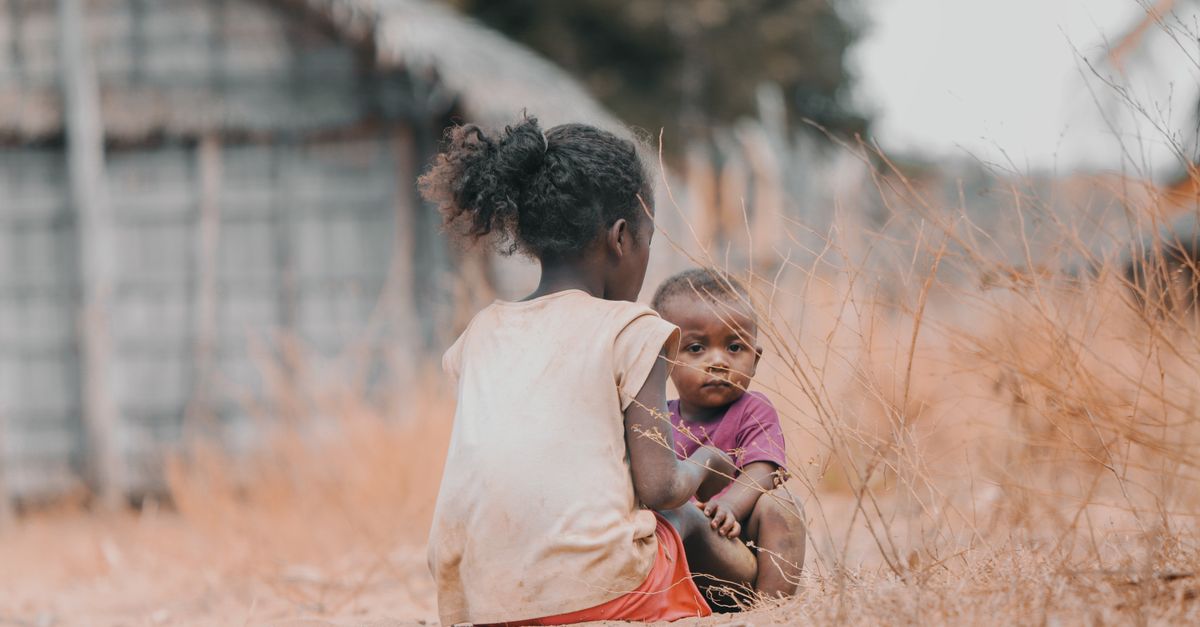
UNICEF's latest data reveals a slow decline in global child mortality rates, highlighting persistent health challenges.
UNICEF's latest report on child mortality indicates a gradual decline in the number of deaths among children under five worldwide. Despite progress, the report underscores that significant challenges remain, particularly in low-income regions.
Global Trends in Child Mortality
According to the report, the global under-five mortality rate decreased from 93 deaths per 1,000 live births in 1990 to 37 in 2021. This decline is attributed to improved healthcare access, vaccination programs, and nutrition. However, the pace of reduction has slowed in recent years, raising concerns among health experts.
The report highlights that sub-Saharan Africa and South Asia continue to have the highest child mortality rates, accounting for more than 80% of global under-five deaths. In these regions, preventable diseases such as pneumonia, diarrhea, and malaria remain leading causes of death among children.
Challenges in Reducing Child Mortality
UNICEF emphasizes that despite technological advancements and increased funding for health initiatives, disparities in healthcare access persist. Rural areas often lack adequate medical facilities and trained personnel, contributing to higher mortality rates. Additionally, conflict and political instability exacerbate the situation in many countries, hindering healthcare delivery.
Another significant challenge is the impact of the COVID-19 pandemic. Disruptions in healthcare services and vaccination programs have reversed some of the gains made in child health. UNICEF calls for urgent action to address these setbacks and ensure that essential health services reach the most vulnerable populations.
Efforts to Improve Child Survival
In response to these challenges, UNICEF is advocating for increased investment in maternal and child health services. The organization urges governments and international partners to prioritize primary healthcare, enhance nutrition programs, and strengthen health systems.
Collaborative efforts are also underway to address specific health issues. For instance, initiatives to combat malaria, such as the distribution of insecticide-treated bed nets and the development of new vaccines, are key components of the strategy to reduce child mortality.
Furthermore, UNICEF stresses the importance of community engagement and education. By empowering local communities with knowledge and resources, there is potential to improve health outcomes and reduce mortality rates.