
Understanding the Most Accurate Locations for Blood Pressure Measurement
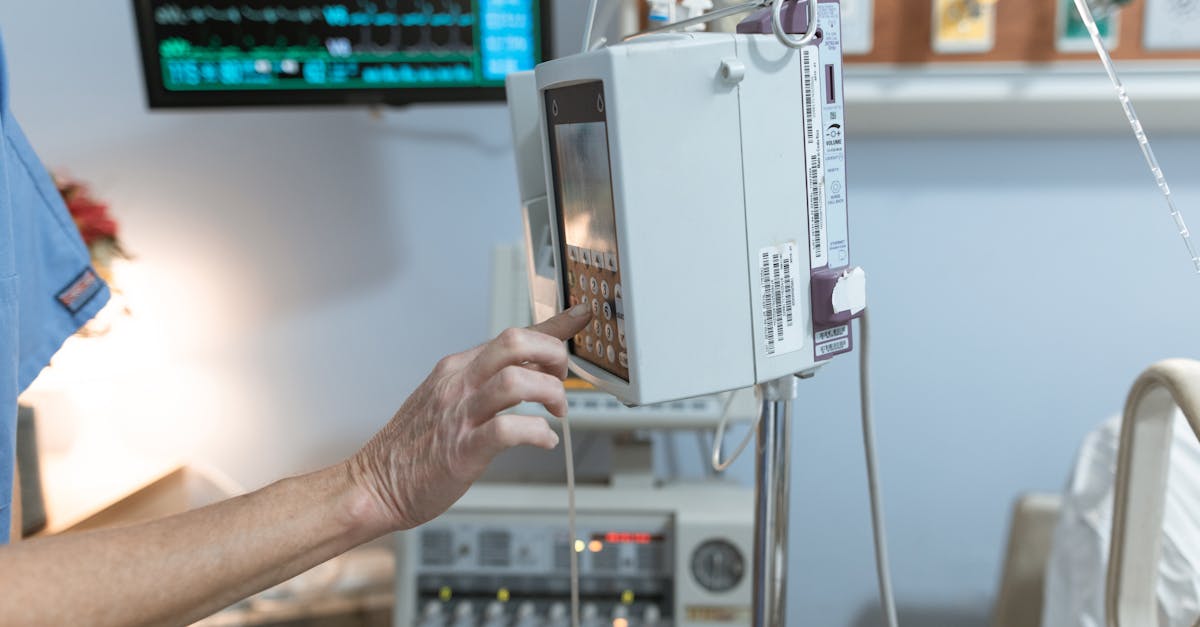
Correct blood pressure measurement locations are crucial for accuracy.
Blood pressure measurement is a critical aspect of assessing cardiovascular health, but accuracy can vary significantly based on various factors. For healthcare professionals and individuals alike, understanding the ideal conditions and locations for blood pressure measurements is essential. This article delves into the key factors influencing accurate blood pressure readings and identifies the best locations for reliable assessments, helping to ensure that clinicians and patients alike can trust their blood pressure results.
Key Factors Influencing Accurate Blood Pressure Measurements
One of the primary factors influencing the accuracy of blood pressure measurements is the position of the patient at the time of measurement. Guidelines suggest that individuals should be seated comfortably with their backs supported, feet flat on the floor, and arm at heart level. Deviations from this recommended posture can lead to erroneous readings. For instance, crossing legs or insufficient support can artificially elevate blood pressure measurements, leading to potential misdiagnosis of hypertension.
Another significant factor is the choice of the blood pressure cuff. Cuff size is critical; using a cuff that is too small can result in falsely elevated readings, while one that is too large can produce lower readings. Healthcare providers are trained to select the appropriate cuff size based on the patient's arm circumference, ensuring that the measurement reflects the true blood pressure. Additionally, the quality and calibration of the sphygmomanometer (the device used to measure blood pressure) play a crucial role; regularly calibrated devices yield more accurate results.
Finally, external factors such as stress, exercise, and recent consumption of caffeine or nicotine can influence blood pressure measurements. It is recommended that patients avoid these stimuli for at least 30 minutes prior to a reading. Furthermore, time of day can also affect blood pressure levels, as readings tend to be lower in the morning and can rise later in the day. Understanding and controlling these variables are essential for obtaining accurate blood pressure measurements.
Ideal Locations for Reliable Blood Pressure Assessments
The ideal location for measuring blood pressure is a controlled clinical environment, such as a doctor's office or hospital. These settings typically provide a quiet, calm atmosphere that can help lower stress levels in patients, leading to more accurate readings. In addition, medical professionals in these environments are trained to follow standardized protocols that enhance accuracy, from the patient’s positioning to the use of appropriate equipment.
Home settings can also be suitable for blood pressure measurements, especially for individuals who monitor their blood pressure regularly. However, it is crucial that patients follow specific guidelines to ensure accuracy. For example, they should use validated home blood pressure monitors and maintain a consistent measuring routine. Additionally, patients should be educated on the importance of environmental factors, ensuring they are seated comfortably and relaxed at the time of measurement, similar to the clinical setting.
Community health events and mobile clinics have emerged as alternative locations for blood pressure assessments, particularly for populations with limited access to healthcare services. These events can provide valuable screening opportunities, although they may lack the controlled environment of a professional setting. It is vital for healthcare providers at these events to adhere to proper measurement techniques and equipment standards to ensure reliability and accuracy in their assessments.
In conclusion, understanding the factors that influence blood pressure measurement accuracy is essential for both healthcare professionals and individuals. By focusing on the patient’s position, cuff size, external stimuli, and choosing appropriate measurement locations, we can enhance the reliability of blood pressure assessments. Whether in a clinical, home, or community setting, following established guidelines is key to obtaining accurate readings that inform better health decisions. As always, consulting with qualified healthcare professionals is recommended for any concerns related to blood pressure management.