
Understanding Thalassemia: Major, Intermedia, and Minor
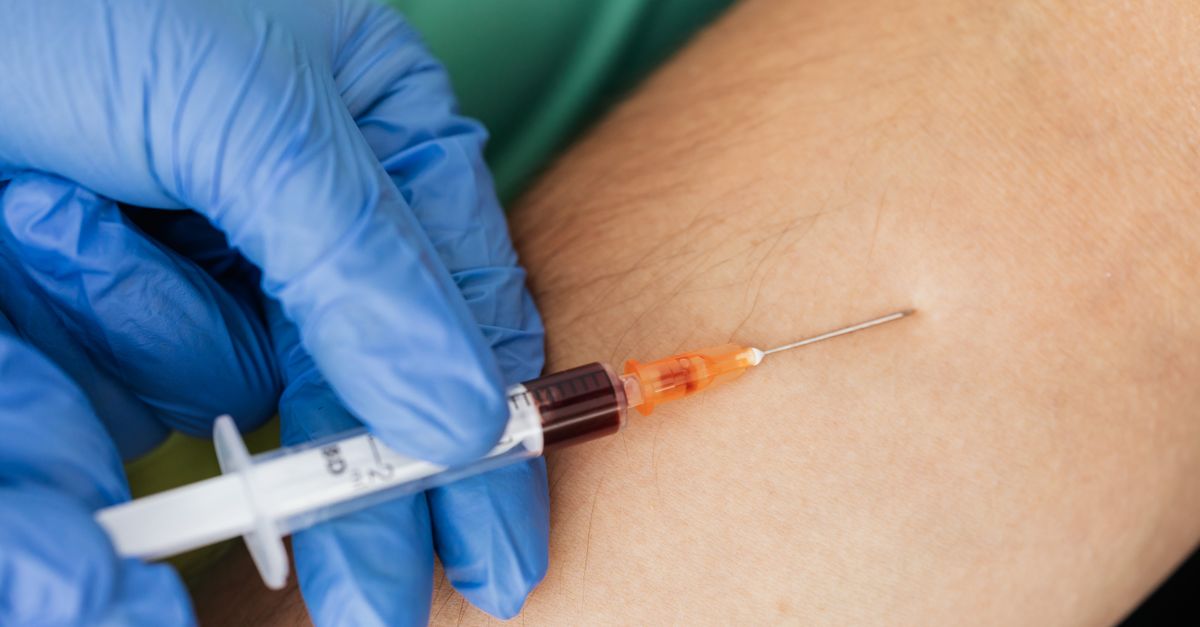
Thalassemia affects millions globally. Explore the differences between its major, intermedia, and minor forms, and their implications for patients and healthcare.
Thalassemia, a hereditary blood disorder, is often misunderstood despite its global prevalence. Affecting millions worldwide, it presents in three primary forms: thalassemia major, intermedia, and minor. Each variant carries its own set of challenges and implications for patients and healthcare systems alike.
What Sets Thalassemia Major Apart?
Thalassemia major, also known as Cooley's anemia, is the most severe form of the disorder. Patients often require regular blood transfusions starting early in life, sometimes as frequently as every two to four weeks. Without these transfusions, severe anemia can lead to life-threatening complications. The constant need for transfusions also increases the risk of iron overload, necessitating chelation therapy to prevent damage to organs such as the heart and liver.
Diagnosed usually within the first two years of life, thalassemia major can cause a host of symptoms, including fatigue, paleness, and growth delays. The condition is caused by mutations in the genes responsible for producing hemoglobin, the protein in red blood cells that carries oxygen. As a result, the body produces fewer healthy red blood cells, leading to anemia.
Thalassemia Intermedia: A Milder Challenge
Thalassemia intermedia is less severe than the major form but more serious than thalassemia minor. Patients with thalassemia intermedia experience a range of symptoms, from mild anemia to more significant health issues, depending on the severity of their condition. Unlike those with thalassemia major, individuals may not require regular transfusions, but they might need them occasionally, particularly during periods of stress or illness.
Complications can still arise, including bone deformities and iron overload, though typically to a lesser extent than in thalassemia major. Managing thalassemia intermedia often involves monitoring and supportive care to address symptoms and prevent complications, with a focus on maintaining a good quality of life.
Thalassemia Minor: Often Silent but Not Insignificant
Thalassemia minor, also referred to as thalassemia trait, is the mildest form of the disorder. Many individuals are asymptomatic and may not even be aware they carry the trait, as it usually does not cause significant health problems. However, some may experience mild anemia, which is generally manageable without intervention.
The primary concern with thalassemia minor arises in family planning. Carriers have a 25% chance of having a child with thalassemia major if both parents carry the trait. Genetic counseling is recommended for prospective parents when both are known carriers, to understand the risks and options available.
Global and Personal Impacts of Thalassemia
Thalassemia's impact extends beyond individual health, affecting families and healthcare systems. According to the World Health Organization, an estimated 4.4 of every 10,000 live births are affected globally. The prevalence is particularly high in regions such as the Mediterranean, Middle East, and parts of Asia and Africa, where managing the disorder poses significant public health challenges.
For families dealing with thalassemia, the emotional and financial burdens can be substantial. Regular medical appointments, treatments, and potential complications necessitate comprehensive care strategies and support systems. Advances in gene therapy and prenatal screening offer hope for future generations, possibly reducing the incidence of severe forms of the disease.
Looking Ahead: The Future of Thalassemia Treatment
Research and innovation continue to offer promise for the future of thalassemia treatment. Gene editing technologies, such as CRISPR, are being explored as potential cures, aiming to correct the genetic mutations responsible for the disorder. Meanwhile, new drugs and improved chelation therapies are enhancing the quality of life for those living with thalassemia.
While challenges remain, the ongoing commitment to research and development in thalassemia treatment underscores a forward-looking approach to managing and potentially eradicating this genetic disorder. As understanding improves, so too does the potential for a future where the burden of thalassemia is significantly reduced.