
Understanding Screening, Diagnosis, and Medical Advice
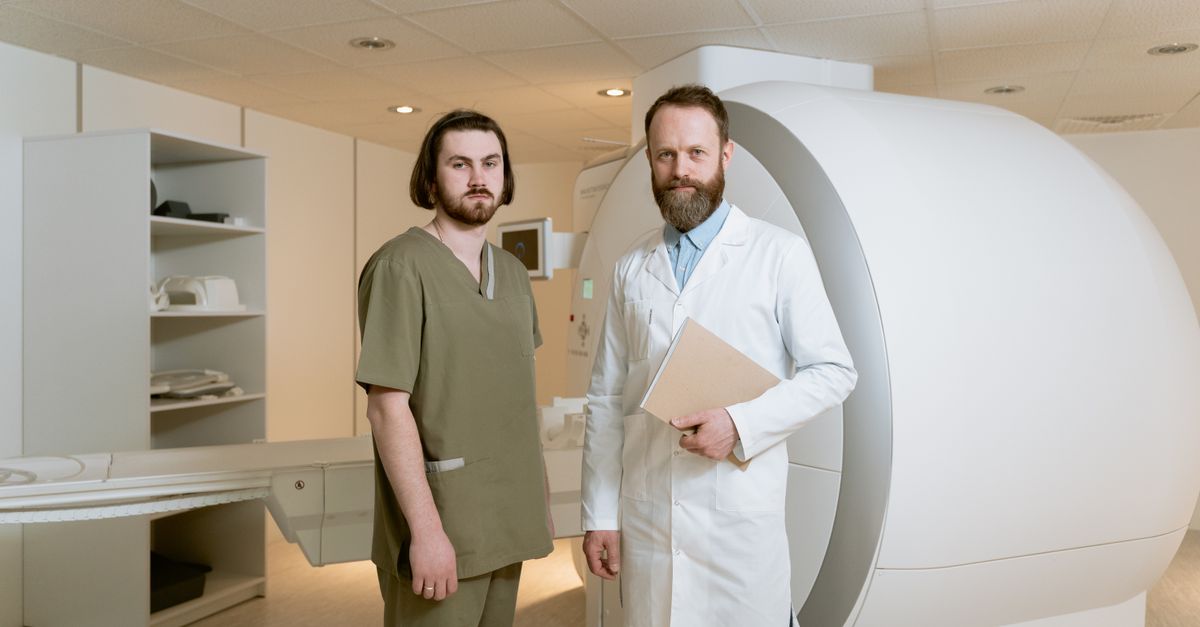
Screening, diagnosis, and medical advice serve distinct roles in healthcare, crucial for patient outcomes.
The path to effective healthcare is paved with distinct yet interconnected processes: screening, diagnosis, and medical advice. Each plays a unique role in patient care, though they are often muddled in public perception. Understanding these differences can enhance patient engagement and improve healthcare outcomes.
Screening: The First Line of Defense
Screening is a proactive approach aimed at identifying potential health issues before symptoms manifest. It involves tests and procedures such as mammograms, colonoscopies, and blood pressure checks that can detect early signs of disease. Screening programs are typically recommended for individuals based on age, gender, and risk factors. For instance, annual mammograms are suggested for women over 40, while colonoscopies are advised for individuals over 50.
Public health campaigns often emphasize the importance of screening as it can lead to early intervention, which is crucial in diseases like cancer where early detection significantly improves survival rates. However, it is important to acknowledge that screening tests are not diagnostic. They are designed to flag potential issues that require further investigation.
Diagnosis: Confirming the Presence of Disease
Once a screening test indicates a potential problem, the next step is diagnosis. This process involves a more comprehensive evaluation to confirm the presence of a disease or condition. Diagnosis typically requires a combination of detailed medical history, physical examinations, and additional tests such as biopsies, imaging scans, or laboratory tests.
Take, for example, a patient with a suspicious lump found during a screening mammogram. The diagnostic process would involve further imaging, possibly an MRI, and a biopsy to determine if the lump is malignant or benign. Accurate diagnosis is critical as it informs the treatment plan and helps predict the patient’s prognosis.
Healthcare professionals must be meticulous in the diagnostic process. Misdiagnosis can lead to inappropriate treatment, unnecessary anxiety, or a delay in receiving necessary care. Therefore, diagnostics often involve a team of specialists working together to piece together the clinical puzzle.
Medical Advice: Guiding Treatment and Lifestyle
Once a diagnosis is confirmed, healthcare providers offer medical advice tailored to the individual's condition and lifestyle. This advice encompasses treatment options, lifestyle modifications, and ongoing management strategies. For instance, a patient diagnosed with type 2 diabetes might receive advice on medication, dietary changes, and exercise routines.
Medical advice is not static. It evolves with the patient’s response to treatment and any new symptoms that may arise. Effective medical advice requires clear communication between healthcare providers and patients. Providers must ensure that patients understand their condition, treatment options, and the importance of adherence to prescribed therapies.
Furthermore, medical advice extends beyond treatment to include preventive measures. For example, a patient with high cholesterol may be advised on dietary changes and regular physical activity to prevent cardiovascular disease.
Integrating Screening, Diagnosis, and Advice for Optimal Care
While screening, diagnosis, and medical advice are distinct stages, their integration is essential for comprehensive patient care. Each step informs and enhances the next, creating a seamless continuum of care. For instance, effective screening programs reduce the burden on diagnostic services by catching potential issues early, while precise diagnoses lead to targeted and effective medical advice.
The healthcare landscape is continually evolving with advancements in technology and personalized medicine. Innovations such as genetic screening and AI-driven diagnostic tools are reshaping traditional processes, making them faster and more accurate. As a result, patients can expect more individualized and efficient healthcare experiences.
For patients navigating these processes, understanding their purpose and interplay is empowering. It enables individuals to take an active role in their healthcare journey, ask informed questions, and make decisions aligned with their health goals.
As the saying in healthcare goes, "An ounce of prevention is worth a pound of cure." The integration of screening, diagnosis, and medical advice exemplifies this ethos, striving to prevent disease and promote health at every step of the way.