
Understanding Robotic Surgery: Key Insights for Patients
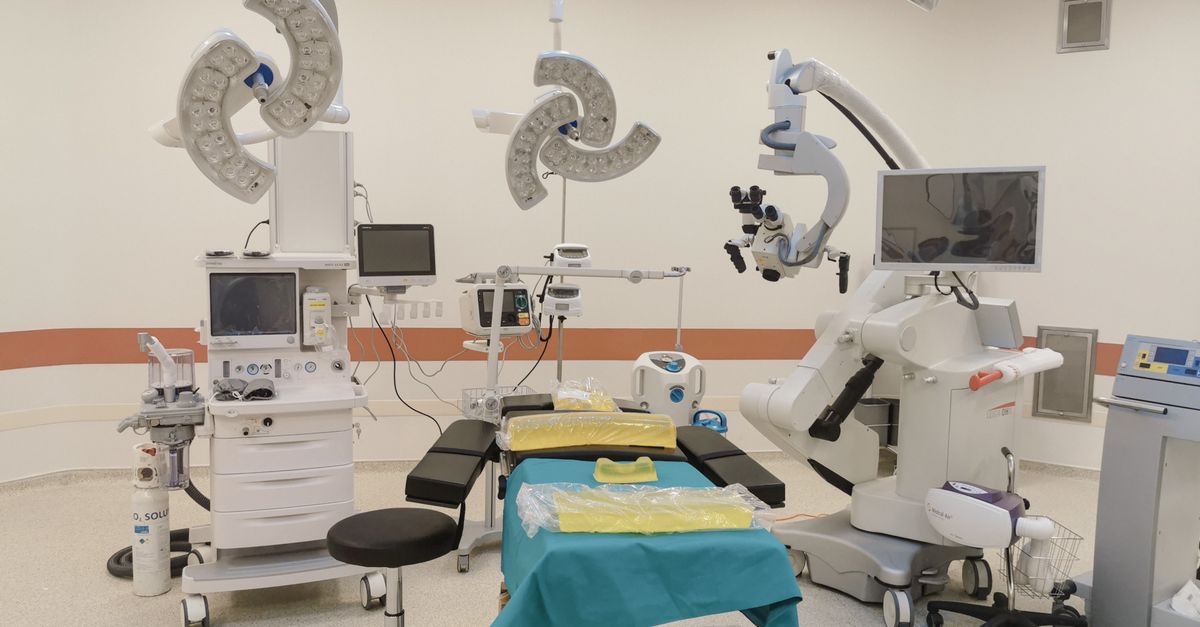
Robotic surgery is popular, but patients must weigh both benefits and risks.
Robotic surgery has become a buzzword in the medical field, often associated with high-tech advancements and improved surgical outcomes. However, patients considering this option should carefully evaluate both the benefits and potential drawbacks before making a decision.
What Robotic Surgery Entails
Robotic surgery involves the use of advanced technology where surgeons control robotic arms to perform procedures with greater precision. This technology is particularly beneficial in complex surgeries, offering enhanced dexterity and visualization. Despite these advantages, it's crucial for patients to understand that the surgeon's skill remains a critical component of the procedure's success.
Benefits and Limitations
The primary advantage of robotic surgery is its minimally invasive nature, which can lead to reduced recovery times, less pain, and lower risk of infection. However, not all surgeries are suitable for a robotic approach, and the benefits can vary depending on the specific procedure and individual patient circumstances. Furthermore, the cost of robotic surgery can be significantly higher than traditional methods, which may not always be covered by insurance.
Considerations for Patients
Patients should engage in thorough discussions with their healthcare providers to determine if robotic surgery is the best option for their specific condition. Understanding the surgeon's experience with robotic systems is also essential, as expertise can significantly impact outcomes. Additionally, patients should inquire about the potential risks and how they compare to traditional surgical methods.
While robotic surgery offers promising advancements in the medical field, it is not a one-size-fits-all solution. Patients should weigh the pros and cons, considering both the technology's capabilities and their personal health needs, before proceeding with this surgical option.