
Understanding Migraines in Teen Girls: Causes and Coping Strategies
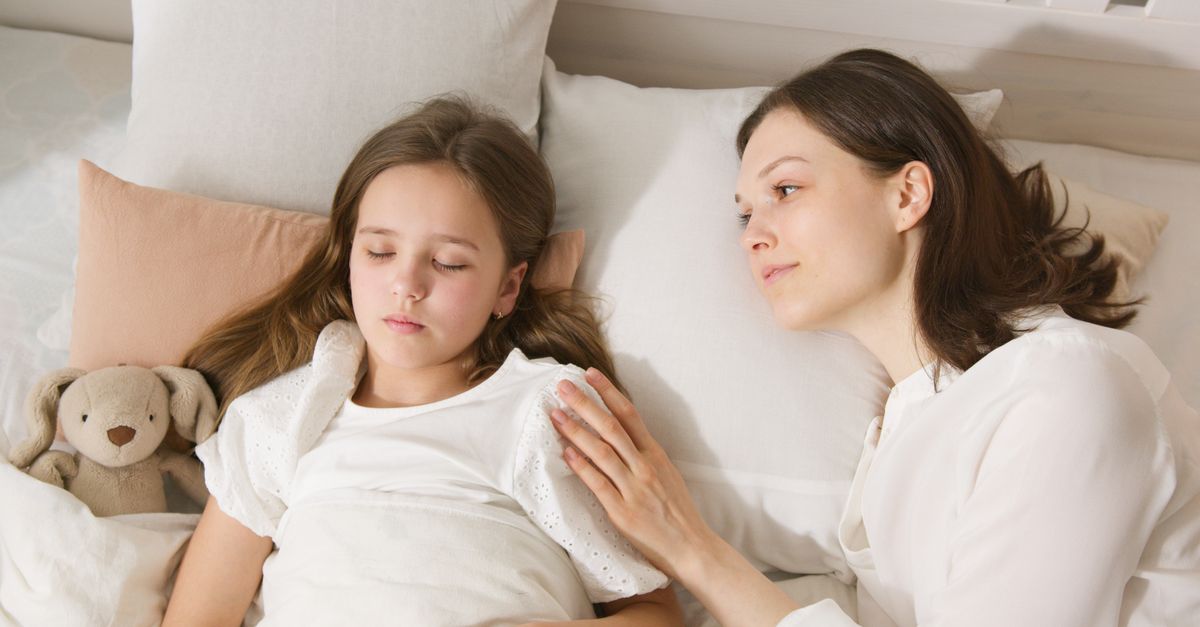
Migraine affects teen girls with unique triggers and symptoms. Learn the causes and strategies for managing this debilitating condition.
Migraine in adolescent girls is a pressing health issue that demands attention. According to the American Migraine Foundation, migraines affect approximately 10% of school-age children, and by the time they reach puberty, the incidence in girls is significantly higher than in boys. This gender disparity underscores the importance of understanding the unique challenges faced by teen girls dealing with migraines.
Hormonal Changes and Migraine Triggers
One of the primary factors contributing to the prevalence of migraines in teenage girls is hormonal changes. The onset of menstruation often coincides with the beginning of migraine episodes for many girls. Estrogen fluctuations are known to influence the frequency and intensity of migraines. This connection is a key area of research, as understanding these hormonal influences can lead to better-targeted treatments.
In addition to hormonal changes, other common triggers include stress, lack of sleep, and dietary factors. Foods high in tyramine, such as aged cheeses and processed meats, as well as dehydration, can exacerbate symptoms. Identifying and avoiding these triggers is a crucial part of migraine management for teens.
Recognizing Symptoms Early
Early recognition of migraine symptoms can lead to more effective management strategies. Teen girls often experience different symptoms compared to adults, including abdominal pain, mood changes, and dizziness. These symptoms can be mistaken for other conditions, delaying diagnosis and treatment.
Parents and healthcare providers need to be vigilant and proactive in recognizing these symptoms. Regular headaches, particularly those that worsen with physical activity or are accompanied by nausea, should be assessed by a medical professional. Early intervention can prevent migraines from escalating and improve the quality of life for affected teens.
Impact on Daily Life and Mental Health
The impact of migraines on daily life extends beyond physical pain. For teen girls, migraines can interfere with academic performance, extracurricular activities, and social interactions. This can lead to feelings of isolation and anxiety, further exacerbating the condition.
The link between migraines and mental health is well-documented. A study published in the Journal of Headache and Pain found that adolescents with migraines are more likely to experience anxiety and depression. Addressing these mental health aspects is vital in providing comprehensive care. Cognitive-behavioral therapy (CBT) and other psychological interventions can be effective in managing both migraines and associated mental health challenges.
Innovative Treatment Approaches
Recent advancements in migraine treatment offer hope for teen girls struggling with this condition. Medications such as triptans, which are specifically designed to treat migraines, have proven effective for many adolescents. Additionally, non-pharmacological approaches like biofeedback and relaxation techniques are gaining popularity and showing promise in reducing migraine frequency.
Schools are also becoming more aware of the needs of students with migraines, with some institutions implementing policies to accommodate affected students. These measures include allowing rest periods, modifying workloads, and providing a quiet environment for recovery.
Looking Ahead: The Path to Better Management
The path to better management of migraines in teen girls lies in continued research and increased awareness. Collaborative efforts between healthcare providers, educators, and families are essential to develop effective strategies that address both the physical and psychological aspects of migraines.
As understanding of the condition grows, so too does the potential for innovative treatments that can significantly improve quality of life. "Empowering young girls with knowledge and tools to manage migraines can transform their adolescent years," says Dr. Jane Smith, a leading pediatric neurologist. The journey towards effective migraine management in teens is ongoing, but with the right support, it is a journey full of promise.