
Understanding High Blood Pressure: Risks and Impacts Explained
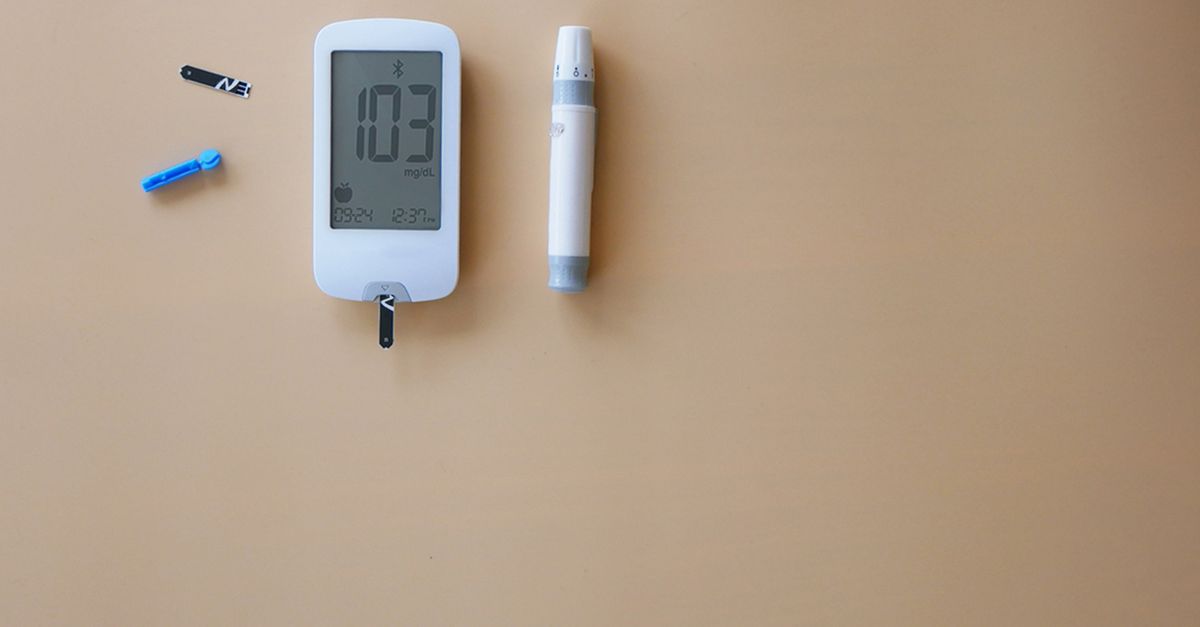
High blood pressure poses serious health risks if untreated.
High blood pressure, or hypertension, is a chronic condition that affects millions globally. Often dubbed a silent killer, it can significantly impact one's health without presenting obvious symptoms. Understanding its causes, symptoms, and potential consequences is crucial for prevention and effective management. This article aims to shed light on the basics of high blood pressure and the serious risks associated with untreated hypertension, particularly in the context of the Indian healthcare landscape.
The Basics of High Blood Pressure: Causes and Symptoms
High blood pressure occurs when the force of blood against the walls of the arteries is consistently too high. Normal blood pressure is usually around 120/80 mmHg, while hypertension is typically diagnosed at levels above 130/80 mmHg. Various factors contribute to the development of high blood pressure, including obesity, lack of physical activity, excessive salt intake, and chronic stress. Genetic predispositions also play a significant role, indicating that family history can increase an individual's risk of developing hypertension.
Symptoms of high blood pressure can be elusive. Many individuals may not experience any noticeable symptoms, which is why regular health check-ups are essential for detection. In some cases, individuals may experience headaches, shortness of breath, or nosebleeds, but these symptoms typically manifest only in more severe cases. The lack of apparent symptoms often leads individuals to underestimate the seriousness of the condition, making awareness and education critical components in addressing hypertension.
Monitoring lifestyle factors such as diet and physical activity can help prevent high blood pressure. The adoption of a heart-healthy diet, rich in fruits, vegetables, and whole grains, along with regular exercise, can improve cardiovascular health. Awareness campaigns and public health initiatives in India are increasingly focusing on educating the population about these preventive measures, emphasizing the importance of regular blood pressure checks.
The Consequences of Untreated Hypertension on Health
When left untreated, high blood pressure can lead to a range of serious health complications. One of the most severe risks associated with hypertension is cardiovascular disease, which includes heart attacks and strokes. Chronic high blood pressure can cause damage to the arteries, making them less flexible and more prone to blockages. This can lead to a significant increase in the risk of heart-related issues, making early intervention and management crucial for reducing these risks.
Beyond cardiovascular complications, untreated hypertension can also affect other vital organs. For instance, it can lead to kidney damage, as the kidneys filter blood and regulate blood pressure. Over time, high blood pressure can impair kidney function, potentially resulting in kidney disease or failure. Additionally, the eyes can be affected, leading to hypertensive retinopathy, which can result in vision loss if not managed appropriately. These cascading health effects highlight the importance of effective blood pressure management.
In the Indian context, where lifestyle-related diseases are on the rise, understanding the risks associated with untreated hypertension is vital. Efforts to increase awareness about the disease and its consequences are ongoing, with healthcare professionals advocating for regular screenings and lifestyle modifications. As India's population ages and urbanizes, the need for public health strategies that address hypertension is more pressing than ever, emphasizing the importance of preventative healthcare in the fight against chronic diseases.
Understanding high blood pressure and its risks is essential for maintaining overall health. Recognizing the causes and symptoms can empower individuals to take proactive steps in managing their blood pressure levels. The consequences of untreated hypertension can be severe, affecting not only cardiovascular health but also impacting other vital organs. As public health initiatives continue to raise awareness, it becomes increasingly important for individuals to consult healthcare professionals for regular monitoring and guidance. By prioritizing education and preventive measures, we can aim for a healthier future free from the severe impacts of hypertension.