
Tucson College Launches Program for Non-Specialists in Addiction Medicine
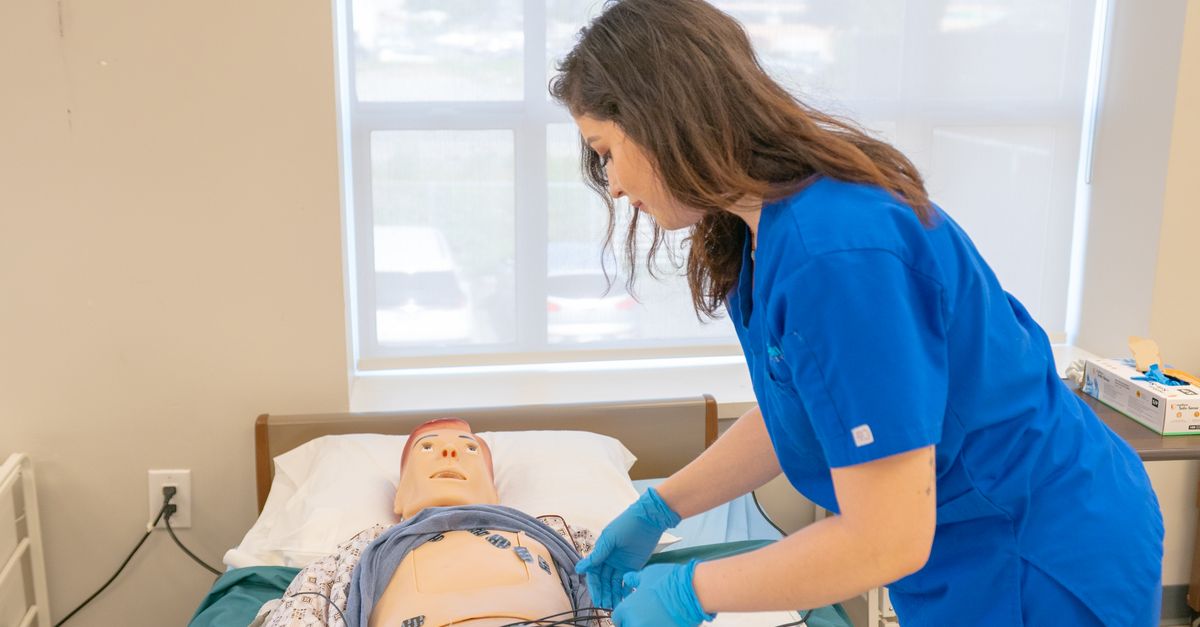
The College of Medicine in Tucson introduces a program to equip non-specialists with essential skills in addiction medicine.
The College of Medicine in Tucson is addressing the pressing need for comprehensive addiction care by launching a new program designed specifically for non-specialists. This initiative aims to equip primary care providers and other healthcare professionals with the necessary skills to effectively manage addiction cases.
Bridging the Gap in Addiction Medicine
As addiction rates continue to rise across the United States, the demand for healthcare professionals skilled in addiction medicine has never been higher. The new program at the College of Medicine in Tucson seeks to fill this gap by providing non-specialists with targeted training. This training is designed to enhance their ability to identify, treat, and manage patients suffering from addiction.
The curriculum includes a range of topics, from the fundamentals of addiction science to practical approaches for treatment and patient communication. By focusing on these areas, the program ensures that non-specialists are well-prepared to handle the complexities of addiction in their practices.
Program Details and Implementation
The program is structured to be accessible to a wide range of healthcare professionals, including general practitioners, nurses, and physician assistants. It offers a combination of online modules and in-person workshops, providing flexibility for participants. This hybrid model allows professionals to learn at their own pace while also gaining hands-on experience through interactive sessions.
One of the key features of the program is its emphasis on evidence-based practices. Participants will learn about the latest research in addiction medicine and how to apply these findings in a clinical setting. Additionally, the program includes case studies and role-playing exercises to simulate real-world scenarios, helping participants to build confidence in their abilities.
Addressing a Critical Need
Dr. Jane Smith, a leading expert in addiction medicine and one of the program’s coordinators, emphasizes the importance of this initiative. "Many healthcare providers encounter patients with addiction issues, yet they often lack the specific training needed to address these challenges effectively," she notes. "Our program is designed to empower these professionals with the knowledge and skills they need to make a real difference in their patients' lives."
By expanding the reach of addiction medicine expertise beyond specialists, the College of Medicine in Tucson is taking a significant step towards improving public health outcomes. As more healthcare professionals are trained to address addiction, patients will benefit from more comprehensive and timely care, potentially reducing the long-term impacts of addiction on individuals and communities.
With its innovative approach and commitment to quality education, the program is expected to attract participants from across the country. The College of Medicine in Tucson hopes that this initiative will serve as a model for other institutions looking to expand their addiction medicine offerings.