
Trump Administration Pushes A.I. in Healthcare Amid Safety Worries
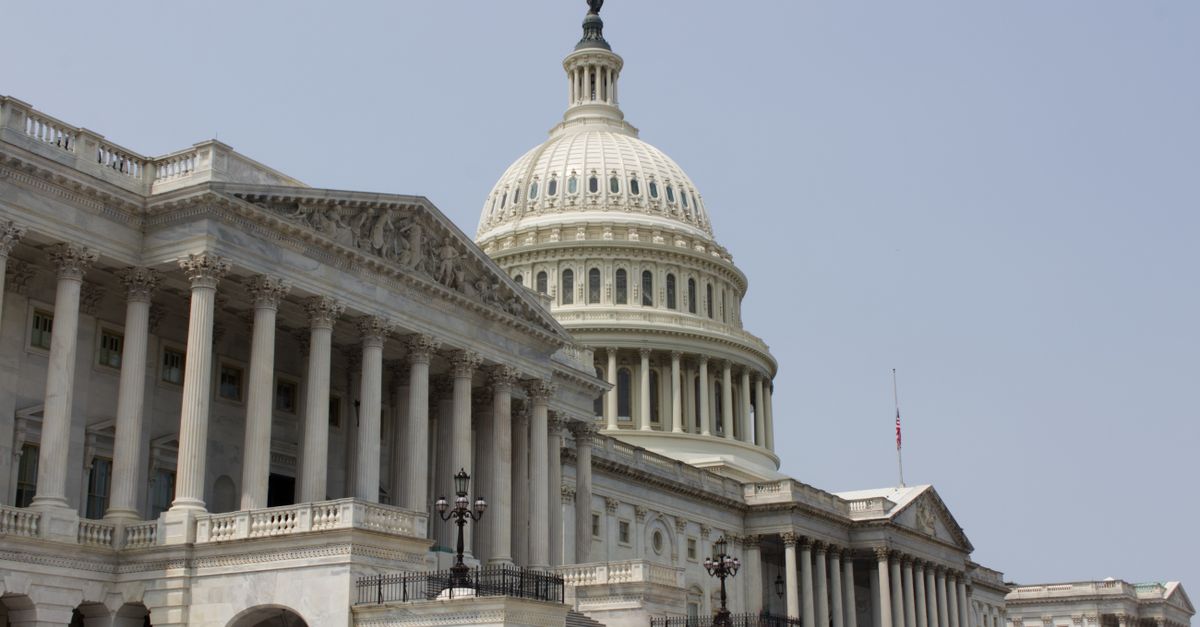
Federal initiatives deploy A.I. for therapy and prescriptions, sparking safety debates.
The Trump Administration is advancing its efforts to integrate artificial intelligence into the healthcare sector by launching federal projects that employ A.I. agents for therapeutic and prescription services. This move is part of a broader initiative to modernize healthcare delivery, despite ongoing debates about the safety and ethical implications of such technologies.
Federal Projects and A.I. Implementation
Government-backed programs are now deploying A.I. systems capable of providing therapy sessions and issuing medical prescriptions. These initiatives aim to streamline healthcare processes and potentially reduce costs by leveraging technology to offer medical services traditionally provided by human professionals. The administration believes that these advancements could lead to more efficient patient care and address workforce shortages in the medical field.
However, the introduction of A.I. in healthcare is not without its challenges. Critics argue that relying on artificial intelligence for critical healthcare decisions could compromise patient safety. Concerns have been raised about the accuracy of A.I.-driven diagnoses and the potential for errors in prescription recommendations. The absence of human judgment in these processes is a significant point of contention among healthcare professionals and patient advocacy groups.
Concerns Over Safety and Investor Influence
Safety concerns are further compounded by the involvement of venture capital investors in these projects. Critics worry that the pressure to deliver profitable returns on investment could prioritize financial gain over patient welfare. The potential for conflicts of interest has led to calls for more rigorous oversight and regulation of A.I. applications in the medical sector.
In response to these concerns, some lawmakers and industry experts are advocating for stricter regulatory frameworks to govern the use of A.I. in healthcare. They argue that comprehensive guidelines are necessary to ensure that technological advancements do not compromise the quality of care provided to patients.
Future Prospects and Regulatory Challenges
The integration of A.I. into healthcare presents both opportunities and challenges. Proponents highlight the potential for A.I. to enhance diagnostic accuracy, personalize treatment plans, and improve overall healthcare efficiency. Yet, achieving these outcomes requires addressing the ethical and safety concerns that currently overshadow the technology's adoption.
The Trump Administration's push for A.I. in healthcare is likely to continue sparking debate as stakeholders weigh the benefits against the potential risks. As federal projects progress, the need for a balanced approach that prioritizes patient safety while fostering innovation will be crucial. The coming months may see increased dialogue among policymakers, healthcare providers, and technology developers to establish standards that safeguard public health without stifling technological progress.