
Transforming Road Accident Healthcare Response: Challenges and Innovations
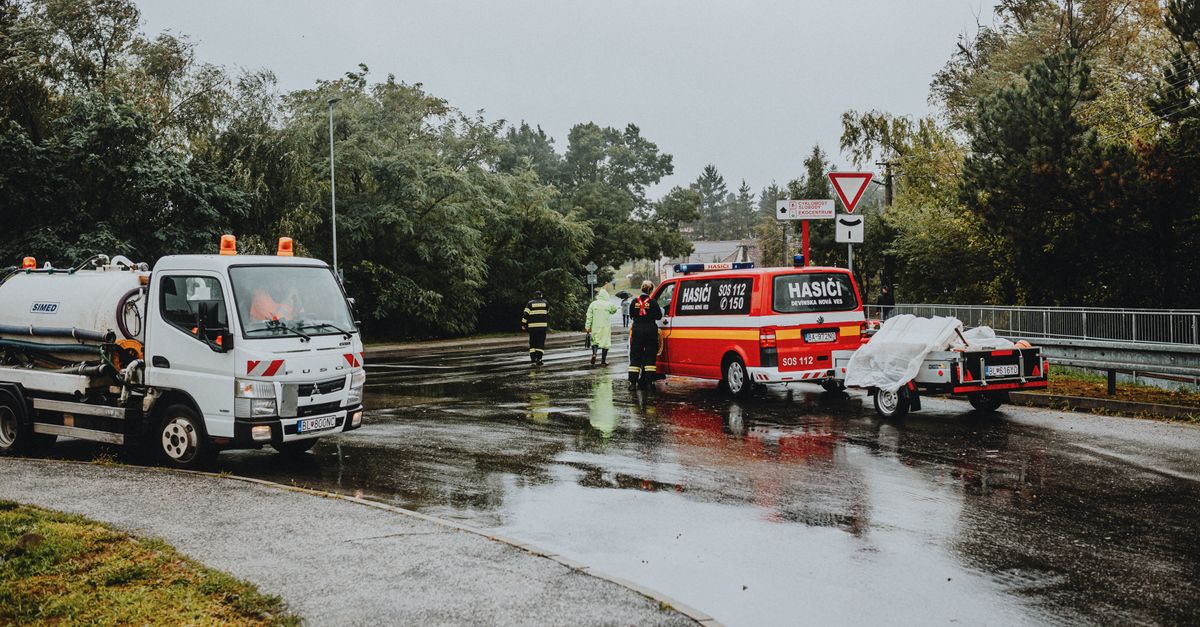
Emerging technologies and improved protocols are reshaping how healthcare systems respond to road accidents, potentially saving lives and optimizing recovery.
Every year, road accidents claim over 1.35 million lives globally, with millions more suffering serious injuries. The urgency of effective healthcare response in such scenarios cannot be overstated. As urban areas burgeon and traffic volumes swell, the need for a streamlined, rapid, and efficient medical response system becomes ever more pressing. Recent advancements in technology and emergency protocols offer a glimmer of hope in addressing these challenges.
New Technologies Paving the Way
Technological innovations are central to enhancing road accident healthcare response. One of the most promising developments is the integration of telemedicine in emergency situations. Telemedicine enables paramedics to connect with doctors in real-time, providing instant access to medical expertise that can be critical in the golden hour—the first 60 minutes after a traumatic injury. This can significantly affect survival rates and long-term outcomes.
Additionally, the use of drones to deliver medical supplies to accident scenes is being explored. These unmanned aerial vehicles can swiftly navigate congested areas, delivering essentials like blood, medications, or defibrillators where human responders might be delayed. Countries like Rwanda have already implemented drone delivery systems with remarkable success, and similar initiatives are under consideration in urban centers worldwide.
The Crucial Role of Data and AI
Data analytics and artificial intelligence (AI) are also transforming accident response strategies. Predictive analytics can help identify accident-prone zones, enabling authorities to allocate resources more effectively. For instance, by analyzing traffic patterns and historical accident data, emergency services can pre-position ambulances in areas with a higher likelihood of accidents, reducing response times.
AI-driven systems are being developed to assess the severity of injuries through images and sensor data. These systems can prioritize emergency room admissions and ensure that critical cases receive immediate attention. The implementation of AI in triage could revolutionize how hospitals handle large influxes of patients after major accidents.
Challenges in Implementation
Despite these innovations, several hurdles remain in the path of transforming road accident healthcare response. The integration of new technologies requires significant investment and coordination across multiple sectors, including healthcare, transportation, and technology. Developing countries, where the burden of road traffic injuries is often highest, may find these investments challenging without international support.
Furthermore, the legal and ethical considerations surrounding data use, especially in AI applications, need careful navigation. Ensuring patient privacy while harnessing data for predictive analytics poses a significant challenge that requires robust regulatory frameworks and public trust.
Improving Emergency Protocols
Beyond technology, revising and enhancing emergency protocols is crucial. Training first responders to utilize new tools effectively can significantly improve the quality of care delivered at accident scenes. Simulation-based training programs that incorporate virtual reality are increasingly popular, offering realistic scenarios for responders to hone their skills.
Moreover, public awareness campaigns can play a pivotal role in improving outcomes. Educating the public on basic first aid and emergency response can empower bystanders to provide immediate assistance before professional help arrives. Countries like Germany, where first aid training is compulsory for obtaining a driver's license, showcase how policy can contribute to societal readiness.
The Road Ahead
As road networks continue to expand and urbanization accelerates, the challenge of providing timely and effective healthcare response to road accidents will only grow. The integration of advanced technologies, improved data analytics, and revised emergency protocols presents a robust framework for addressing this challenge. However, the success of these initiatives hinges on collaboration across sectors and borders, as well as a commitment to continuous improvement and adaptation.
In the words of Dr. Tedros Adhanom Ghebreyesus, Director-General of the World Health Organization, "The journey to safer roads is a shared responsibility, demanding concerted efforts from every stakeholder." This collective responsibility holds the key to saving lives and minimizing the impact of road traffic injuries in the years to come.