
Transforming Healthcare: The Rise of Next-Gen Medical Imaging
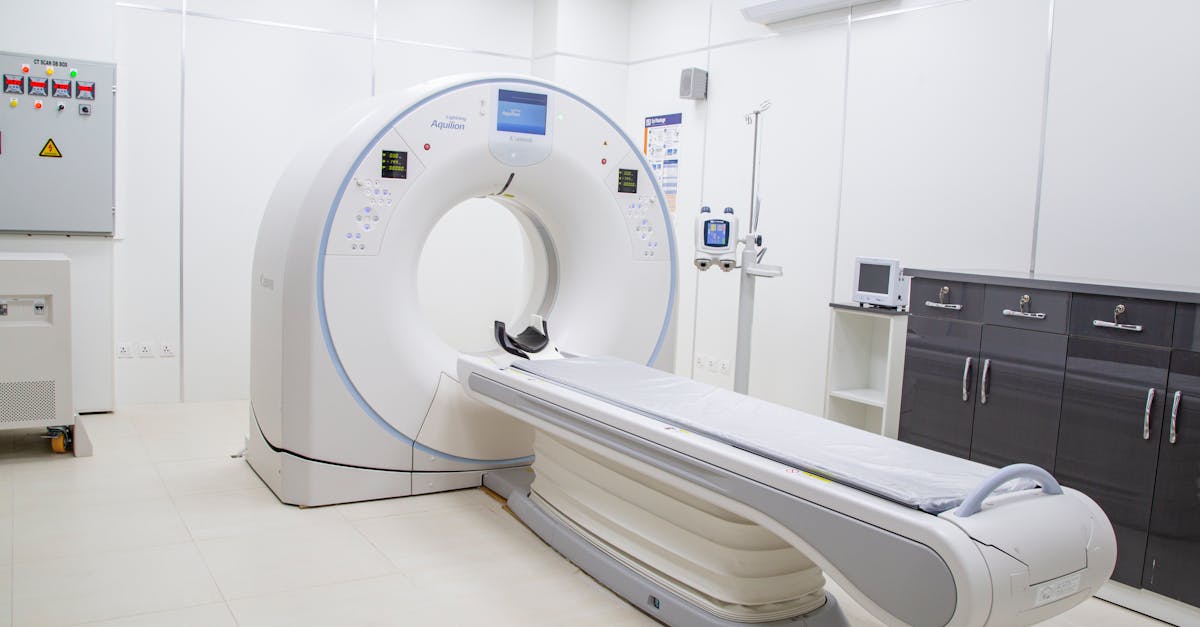
Cutting-edge medical imaging technologies are revolutionizing diagnostics and treatment, offering unprecedented accuracy and efficiency.
In the world of healthcare, the advent of next-generation medical imaging technologies is reshaping how diseases are diagnosed and treated. As these innovations continue to evolve, they promise to offer unprecedented accuracy, efficiency, and patient outcomes, making them a cornerstone of modern medical practice.
The Shift from Conventional to Advanced Imaging
Traditional imaging techniques like X-rays and MRIs have long been staples in medical diagnostics. However, the limitations of these methods, such as lower resolution and longer processing times, have paved the way for more advanced options. Innovations such as 3D imaging, AI-enhanced analysis, and portable devices are setting new standards in medical diagnostics.
3D imaging, for example, allows for more detailed visualization of internal structures, enabling doctors to plan surgeries with greater precision. The ability to view organs in three dimensions rather than flat images has significantly improved the accuracy of diagnoses, particularly in complex cases.
AI and Machine Learning: The Diagnostic Revolution
The integration of artificial intelligence and machine learning in medical imaging is perhaps the most transformative development in recent years. These technologies allow for rapid analysis of imaging data, identifying patterns and anomalies that might be overlooked by the human eye.
Companies like Zebra Medical Vision and Aidoc are leading the way, developing AI algorithms that can detect conditions ranging from strokes to cancers with high accuracy. This not only speeds up the diagnostic process but also frees up valuable time for healthcare professionals to focus on patient care rather than data analysis.
Portable Imaging: Accessibility and Convenience
Another groundbreaking innovation is the development of portable imaging devices. These compact machines bring the power of diagnostic imaging to remote and underserved areas, where access to traditional imaging facilities is limited.
Portable ultrasound devices, for instance, have become invaluable tools in rural healthcare settings, enabling on-the-spot diagnostics and immediate decision-making. This mobility also proves beneficial in emergency situations, where quick access to imaging can be critical to patient outcomes.
Enhancing Patient Experience and Safety
Next-generation imaging technologies are also enhancing patient experience by reducing exposure to radiation and minimizing discomfort during procedures. For instance, low-dose CT scanners are now available, offering safer imaging options without compromising on quality.
Moreover, innovations like noise reduction in MRI machines are making the process more comfortable for patients, addressing common complaints about the loud and often intimidating environment.
The Future Landscape of Medical Imaging
As these technologies continue to advance, the future of medical imaging looks promising. We can expect even more personalized diagnostic tools, tailored to the specific genetic and biological markers of individual patients. This could lead to earlier detection of diseases and more targeted treatment plans.
Furthermore, the continued integration of cloud-based platforms will facilitate the sharing of imaging data across healthcare systems, promoting collaboration and improving patient care worldwide.
Dr. Smith, a leading radiologist at Mayo Clinic, sums it up: "The innovations we are seeing today in medical imaging are just the beginning. As technology progresses, we will continue to unlock new possibilities in healthcare that will transform patient outcomes and save lives."
The journey of medical imaging is far from over, and as these technologies develop, they hold the promise of a future where healthcare is not only more efficient but also more equitable and accessible to all.