
The Transformative Role of Connected Devices in U.S. Hospital Care
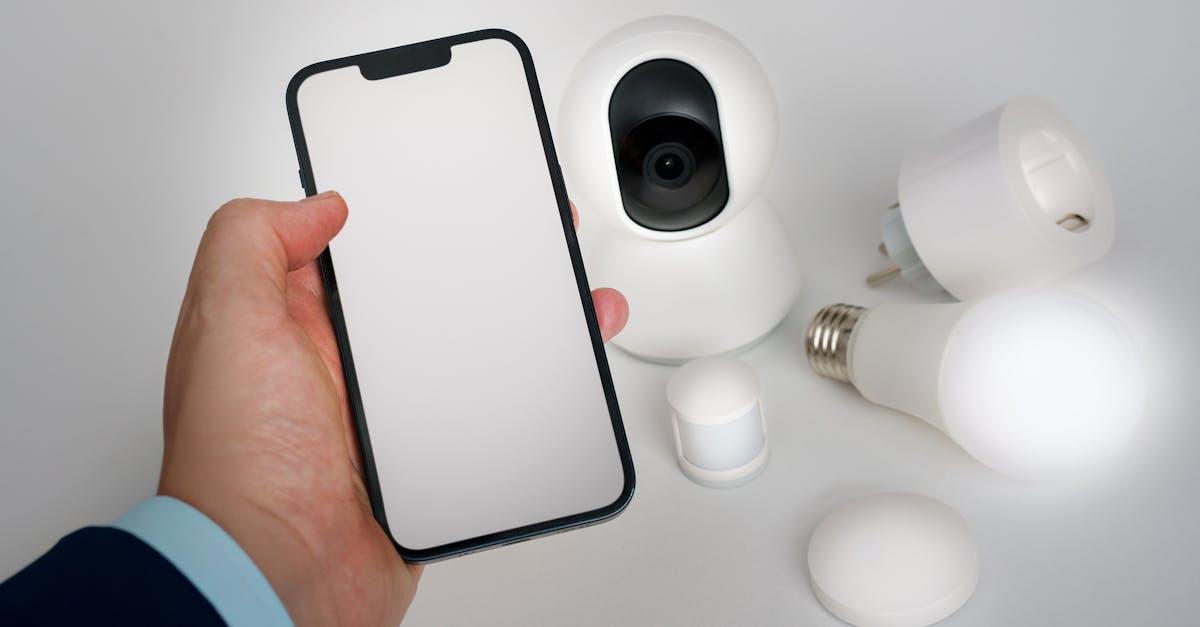
Connected devices are revolutionizing U.S. hospital care by enhancing patient monitoring, streamlining operations, and improving outcomes.
In the bustling corridors of American hospitals, connected devices are quietly engineering a healthcare revolution. From remote patient monitoring systems to smart infusion pumps, these devices are reshaping how hospitals deliver care, ensuring better patient outcomes and more efficient operations.
Enhancing Patient Monitoring and Safety
Connected devices are making waves in patient monitoring, enabling healthcare providers to keep a vigilant eye on vital signs even from a distance. According to the Centers for Medicare & Medicaid Services (CMS), the ability to continuously monitor patients remotely has reduced hospital readmissions by nearly 18% over the past five years. Devices such as wearable heart monitors and smart beds equipped with sensors alert staff to any sudden changes in patient conditions, allowing for rapid intervention.
At the heart of this transformation is interoperability, a capability that allows different systems and devices to work together seamlessly. The Office of the National Coordinator for Health Information Technology (ONC) has been pivotal in setting standards that ensure these devices can communicate effectively, enhancing the safety and quality of care delivered in real-time.
Streamlining Hospital Operations
The integration of connected devices extends beyond patient care to operational efficiencies. Hospitals are now using smart devices to manage inventory, track equipment usage, and optimize staffing. For instance, FDA-approved smart infusion pumps not only deliver medication with precision but also transmit usage data back to central systems, helping hospitals manage drug inventories more efficiently.
Moreover, these devices contribute to reducing healthcare costs by minimizing waste and preventing errors. The American Hospital Association estimates that operational efficiencies gained through such technologies could save the healthcare system up to $93 billion annually. This is particularly crucial as hospitals navigate the financial pressures of post-pandemic recovery.
Improving Patient Outcomes
Connected devices are also enhancing patient outcomes by providing data-driven insights that guide treatment decisions. The use of data analytics, fed by these devices, allows clinicians to personalize treatment plans. This is especially beneficial in managing chronic conditions such as diabetes and heart disease, where timely and accurate data is essential.
By integrating these technologies, hospitals can move towards predictive analytics, anticipating patient needs before they arise. This proactive approach is supported by initiatives from the National Institutes of Health (NIH), which are funding research into advanced analytics that leverage data from connected devices to predict and prevent adverse health events.
Addressing Challenges and Regulatory Concerns
Despite the benefits, the widespread adoption of connected devices in hospitals is not without challenges. Data privacy and cybersecurity are pressing concerns, as highlighted by the U.S. Department of Health and Human Services (HHS). Ensuring that patient data remains secure while being transmitted between devices is paramount to maintaining trust in these technological advancements.
Furthermore, the regulatory landscape is evolving as the Food and Drug Administration (FDA) continues to refine its guidelines to keep pace with technological advancements. The FDA’s recent guidance on cybersecurity for medical devices underscores the need for manufacturers to build security features into devices from the outset.
While the path forward is complex, the potential of connected devices to transform hospital care is undeniable. As these technologies continue to evolve and integrate into healthcare systems, they promise a future where patient care is not only more efficient but also more personalized.