
Thyroid Disorders in India: An Underestimated Chronic Condition
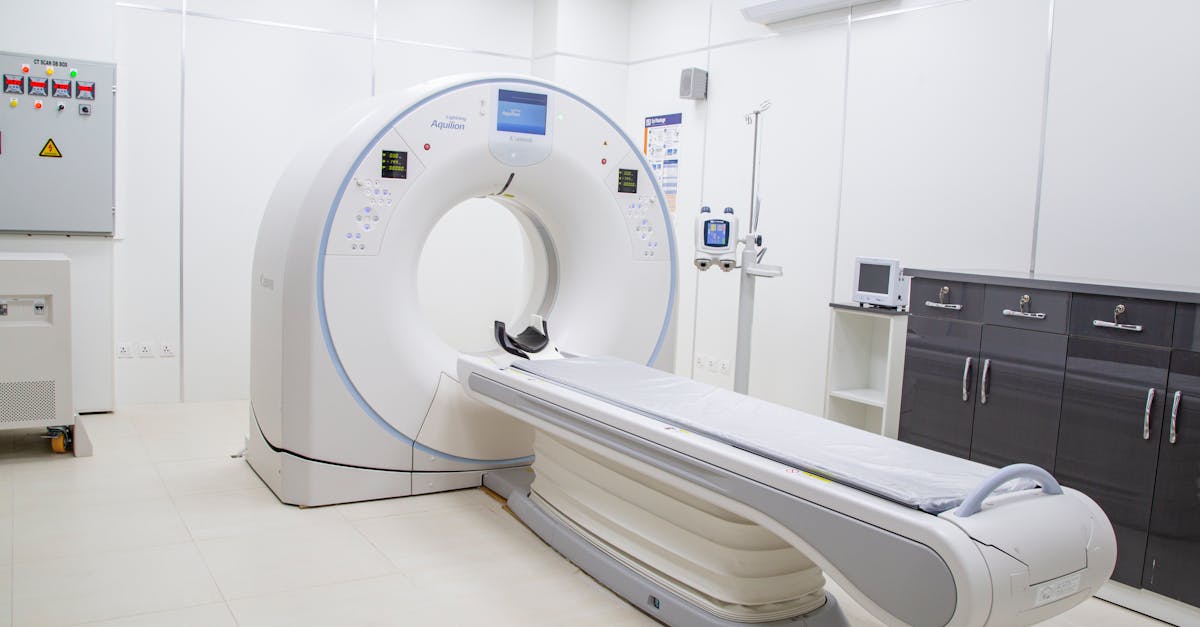
Thyroid disorders affect millions in India, often unnoticed.
Thyroid disorders, encompassing conditions like hypothyroidism and hyperthyroidism, are increasingly recognized as a significant public health concern in India. Despite their prevalence, these disorders are often underestimated, resulting in a lack of awareness and inadequate healthcare responses. The thyroid gland plays a crucial role in regulating various bodily functions, including metabolism and energy levels, making its disorders not only a medical concern but also a social and economic one.
Understanding the Prevalence of Thyroid Disorders in India
Thyroid disorders affect an estimated 42 million individuals in India, according to the Indian Thyroid Society. This staggering number highlights the magnitude of the issue, yet many cases remain undiagnosed due to a lack of awareness and routine screening. Symptoms can be vague and often overlap with other health issues, making it difficult for individuals to recognize the condition. The societal stigma surrounding the discussion of these disorders further complicates the situation, leading many to suffer in silence.
The geographical diversity in India also contributes to the prevalence of thyroid disorders. Regions with iodine-deficient soils, such as parts of the Himalayas and the eastern states, see higher rates of goiter and hypothyroidism. While the government has implemented iodization programs, the disparities in access to healthcare services and information continue to hinder effective diagnosis and treatment. Furthermore, lifestyle changes, including urbanization and dietary shifts, have also influenced the rising incidence of thyroid conditions.
Raising awareness about thyroid disorders is crucial for improving early detection and management. Educational initiatives can play a pivotal role in informing the public about the importance of regular check-ups, especially for individuals who may be at a higher risk. Healthcare professionals must also be equipped to recognize symptoms and recommend appropriate screenings to help address this underdiagnosed health issue.
The Socioeconomic Impact of Thyroid Conditions on Patients
The impact of thyroid disorders extends far beyond physical health, affecting the socioeconomic status of patients and their families. Individuals with untreated thyroid conditions may experience fatigue, depression, and cognitive difficulties, hampering their productivity at work and home. These symptoms can lead to increased absenteeism and reduced work performance, creating a ripple effect on the economy. In a country where chronic diseases are on the rise, the need for comprehensive healthcare policies becomes critical.
Moreover, the financial burden of managing thyroid disorders can be significant. Patients often require lifelong medication and regular monitoring, which can strain household budgets, particularly in lower-income families. Given that many people in India are employed in informal sectors with limited health coverage, the out-of-pocket expenses for diagnosis and treatment can become overwhelming. This adds another layer of complexity, as many may delay seeking help due to financial constraints, further exacerbating their health issues.
Addressing the socioeconomic repercussions of thyroid disorders necessitates a multi-faceted approach. Governments and healthcare organizations must prioritize public health education and improve access to diagnostic facilities. Initiatives aimed at subsidizing medication and treatment can also alleviate the financial burden on patients. By recognizing thyroid disorders as a chronic condition that warrants attention, stakeholders can work towards fostering a healthier and more informed society.
Thyroid disorders in India represent a significant yet often overlooked chronic condition. The prevalence of these disorders suggests a pressing need for heightened awareness and improved healthcare responses. By understanding the socio-economic implications and advocating for better access to diagnosis and treatment, society can begin to address this widespread health issue. Awareness, education, and policy change will be crucial in tackling the challenges posed by thyroid disorders, ultimately improving the quality of life for millions of affected individuals.