
Thymus-Sparing Strategies Gain Attention in NSCLC Radiotherapy
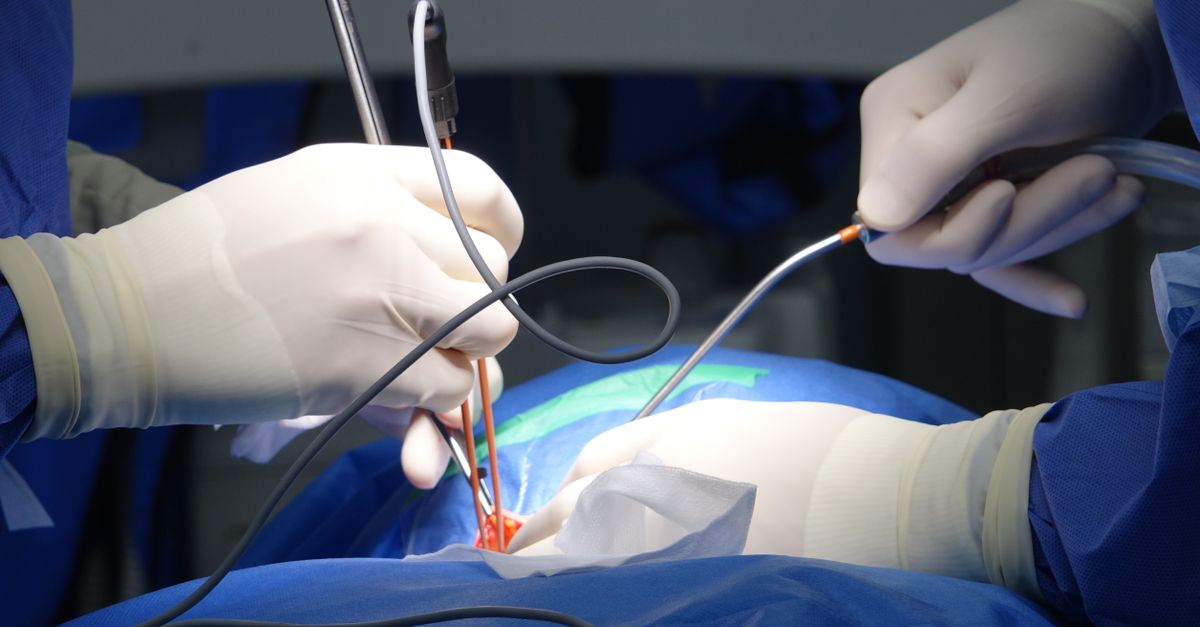
Experts suggest considering thymus-sparing techniques in NSCLC radiotherapy to minimize immune system impact.
In the field of non-small cell lung cancer (NSCLC) treatment, radiotherapy is a common approach. Recent discussions among medical experts emphasize the potential benefits of incorporating thymus-sparing strategies into radiotherapy planning. This approach aims to protect the thymus gland, which plays a critical role in the immune system, particularly in the production and maturation of T-cells.
Importance of the Thymus in Cancer Treatment
The thymus gland is integral to the immune system, facilitating the development of T-cells that are essential for immune responses. In cancer patients, maintaining immune function is crucial as it can impact the body's ability to fight cancerous cells and respond to treatment. Damage to the thymus during radiotherapy can lead to a compromised immune system, potentially affecting patient outcomes.
Potential Benefits of Thymus-Sparing Techniques
Implementing thymus-sparing strategies in NSCLC radiotherapy could help preserve immune function by minimizing radiation exposure to the thymus. This approach may enhance the patient's overall health and treatment response. By protecting the thymus, patients may experience fewer side effects related to immune suppression, such as increased susceptibility to infections and slower recovery times.
Challenges and Considerations
While the concept of thymus-sparing strategies is promising, there are challenges in its widespread adoption. Precision in targeting cancer cells while sparing the thymus requires advanced imaging and planning technologies. Additionally, more research is needed to understand the long-term benefits and any potential risks associated with this approach. Clinicians must balance the need to effectively treat cancer while minimizing harm to surrounding healthy tissues.
The integration of thymus-sparing techniques into standard radiotherapy protocols for NSCLC could represent a significant advancement in cancer treatment. As research continues, healthcare providers are urged to consider these strategies to improve patient outcomes and enhance the quality of life for individuals undergoing radiotherapy.