
Three-Year Review of Online Eye Tests for Children Shows Promise
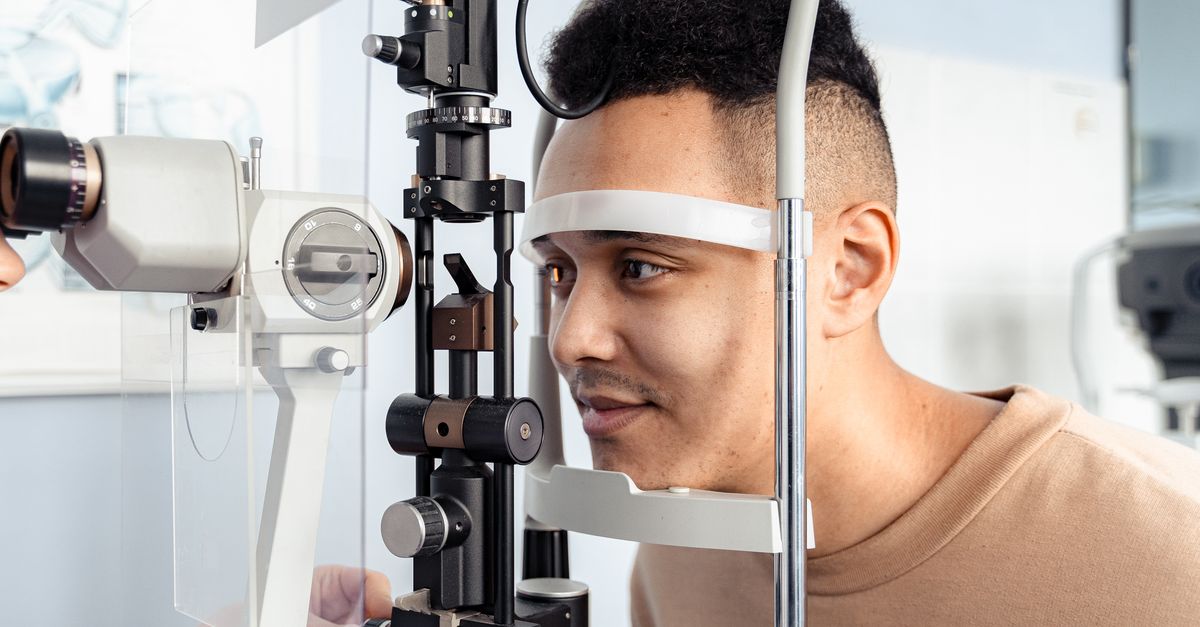
Online visual acuity tests and remote consultations have improved pediatric eye care over three years, a study finds.
Over the past three years, a pioneering approach using online visual acuity self-testing combined with remote consultations has been evaluated in a pediatric ophthalmology service. Published in Nature, the study offers insights into how digital tools can enhance eye care for children, especially in remote or underserved areas.
Implementation and Findings
The initiative began as a response to the growing need for accessible eye care solutions. By integrating online visual acuity tests with remote consultations, the service aimed to reduce the barriers to eye care access for children, particularly those in rural locations. The study found that these tools not only facilitated timely assessments but also maintained a high standard of care.
Researchers noted that the accuracy of the online visual acuity tests was comparable to conventional methods used in clinical settings. This was crucial in ensuring that children received appropriate diagnoses and treatment plans without the need for frequent in-person visits.
Challenges and Considerations
Despite the success, the implementation faced challenges, particularly in terms of technology access and user familiarity. Not all families had the necessary devices or internet connectivity required for effective use of the online tests. Additionally, there was a learning curve for both patients and healthcare providers in adapting to the new digital processes.
To address these issues, the service provided resources and support to help families navigate the technology. Training sessions for healthcare providers were also crucial in ensuring that the remote consultations were as effective as face-to-face interactions.
Future Prospects in Pediatric Eye Care
As the healthcare industry continues to evolve, the findings from this three-year evaluation underscore the potential of digital health tools in transforming pediatric eye care. The study suggests that with further refinement and increased accessibility, online visual acuity self-testing and remote consultations could become standard practice in ophthalmology services worldwide.
The experience gained from this initiative could guide similar implementations in other areas of healthcare, where remote diagnostics and consultations can play a significant role in improving patient outcomes.
Overall, the study's results indicate a promising future for digital health interventions in pediatric ophthalmology, offering a blueprint for integrating technology into traditional healthcare models effectively.