
The Shift Toward Software-Defined Medical Devices: Transforming Healthcare Infrastructure
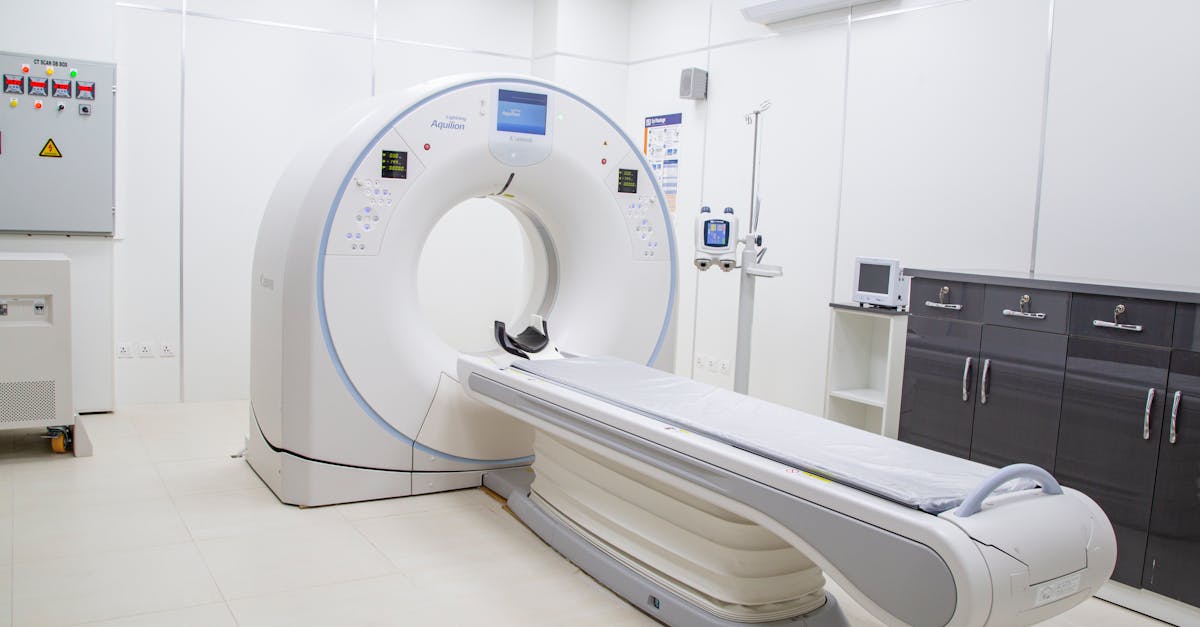
Medical technology is undergoing a fundamental shift as software-driven architectures replace traditional, hardware-centric designs to improve patient outcomes.
The Architectural Revolution in Medical Technology
The medical technology landscape is currently undergoing a structural transformation, moving away from rigid, single-purpose hardware toward software-defined medical devices (SDMDs). This shift mirrors the evolution seen in the automotive and telecommunications sectors, where the primary value and functionality of a product are increasingly dictated by its software layer rather than its physical casing.
Historically, medical equipment was designed as a monolithic entity. If a hospital required a new diagnostic feature or a more advanced monitoring algorithm, it often necessitated the purchase of entirely new hardware. Today, the integration of high-performance computing and cloud connectivity is allowing manufacturers to decouple hardware from software, enabling devices that can be updated, scaled, and refined remotely throughout their lifecycle.
Driving Forces Behind Software Integration
Several factors are accelerating the adoption of software-defined architectures in the healthcare space. Primarily, the demand for real-time data analytics and personalized medicine requires a level of computational flexibility that traditional hardware cannot provide. By utilizing software-defined systems, clinicians can implement sophisticated machine learning models directly onto existing imaging systems or patient monitors.
Furthermore, the economic pressure on healthcare providers is forcing a move toward more sustainable procurement models. SDMDs offer a longer operational lifespan; instead of becoming obsolete within five years, these devices can receive over-the-air (OTA) updates that enhance performance, patch security vulnerabilities, and introduce new clinical capabilities. This "evergreen" approach to medical infrastructure reduces capital expenditure and minimizes the environmental impact of electronic waste.
Interoperability and the Connected Ecosystem
A critical advantage of the software-defined approach is the enhancement of interoperability. In a traditional clinical setting, devices from different manufacturers often operate in silos, making data integration a manual and error-prone process. Software-defined devices are built with connectivity in mind, utilizing standardized APIs and protocols to communicate seamlessly with Electronic Health Records (EHRs) and other diagnostic tools.
This connectivity enables the creation of a unified digital ecosystem where data flows from a wearable sensor to a bedside monitor and into a centralized analytics platform without friction. For healthcare providers, this means a more holistic view of patient health and the ability to trigger automated alerts based on complex, multi-parameter data analysis.
Navigating Regulatory and Security Challenges
While the benefits of SDMDs are significant, they introduce new complexities in terms of regulation and cybersecurity. Regulatory bodies, such as the FDA, have had to adapt their frameworks to account for Software as a Medical Device (SaMD) and the continuous update cycles inherent in software-driven products. Ensuring that a software update does not compromise the safety or efficacy of a life-critical device is a paramount concern.
Cybersecurity also moves to the forefront of the design process. As devices become more connected, the attack surface for potential data breaches or system disruptions expands. Manufacturers are now adopting "security-by-design" principles, incorporating robust encryption, multi-factor authentication, and continuous monitoring to protect sensitive patient data and maintain device integrity.
The Future of Clinical Care
Looking forward, the evolution of software-defined medical devices will likely be characterized by the deeper integration of Artificial Intelligence at the edge. By processing data locally on the device rather than relying solely on the cloud, SDMDs can provide instantaneous feedback during critical procedures. As the industry continues to mature, the distinction between the physical device and the digital service will continue to blur, ushering in an era of more responsive, intelligent, and adaptable healthcare technology.