
The Misunderstood Reality of Functional Neurological Disorder
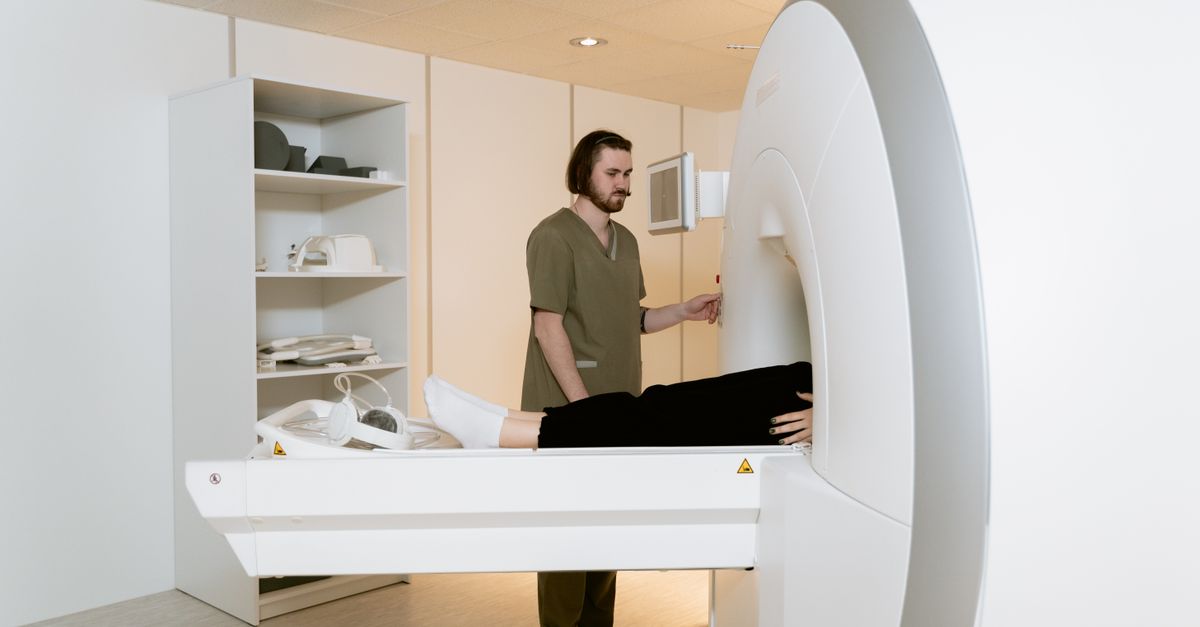
Functional Neurological Disorder, a prevalent yet misunderstood brain disorder, challenges both patients and medical professionals with its complex symptoms.
Functional Neurological Disorder (FND) remains one of the most common yet misunderstood brain disorders, affecting countless individuals with symptoms that blur the lines between psychological and neurological ailments. While FND is often dismissed as being 'all in your head', the reality is far more complex, involving a combination of neurological, psychological, and social factors.
Symptoms and Challenges
FND manifests through a range of symptoms that can include limb weakness, tremors, seizures, and cognitive difficulties. These symptoms can significantly impair daily functioning and quality of life, often leading to misdiagnosis or skepticism from healthcare providers. Despite being a common disorder, the lack of clear diagnostic criteria and understanding contributes to its stigma.
Patients frequently encounter disbelief and confusion, both from medical professionals and their social circles. This can exacerbate their condition, leading to increased anxiety and depression. The disorder's ambiguous nature means that patients often undergo numerous tests and consultations before receiving a diagnosis, prolonging their distress.
Understanding the Underlying Causes
The exact cause of FND is not fully understood, but research suggests a disruption in the brain's ability to send and receive signals. Unlike traditional neurological disorders, FND does not result from structural abnormalities in the brain. Instead, it involves a functional issue, where the brain's processing of sensory and motor information is impaired.
Psychological factors, such as trauma and stress, are also believed to play a significant role in the development of FND. This has led to a debate within the medical community about whether FND should be classified as a neurological or psychiatric disorder. This dual nature complicates treatment approaches, as interventions need to address both the physical and psychological aspects of the condition.
Advancements in Treatment
Recent advancements in the treatment of FND highlight the importance of a multidisciplinary approach. Cognitive behavioral therapy (CBT) and physiotherapy have shown promise in alleviating symptoms and improving patient outcomes. These therapies focus on retraining the brain and body to function together more effectively.
Moreover, increasing awareness and education among healthcare providers are crucial steps in improving diagnosis and treatment. Training programs that emphasize the recognition of FND symptoms and the importance of a supportive patient-doctor relationship can help reduce the stigma and provide patients with the care they need.
Functional Neurological Disorder challenges traditional medical categorizations, demanding a nuanced understanding and a compassionate approach to patient care. As research continues to uncover more about this enigmatic condition, the hope is to provide clearer pathways to diagnosis and treatment, offering patients a better quality of life.