
The Importance of Regular Blood Pressure Monitoring for Health
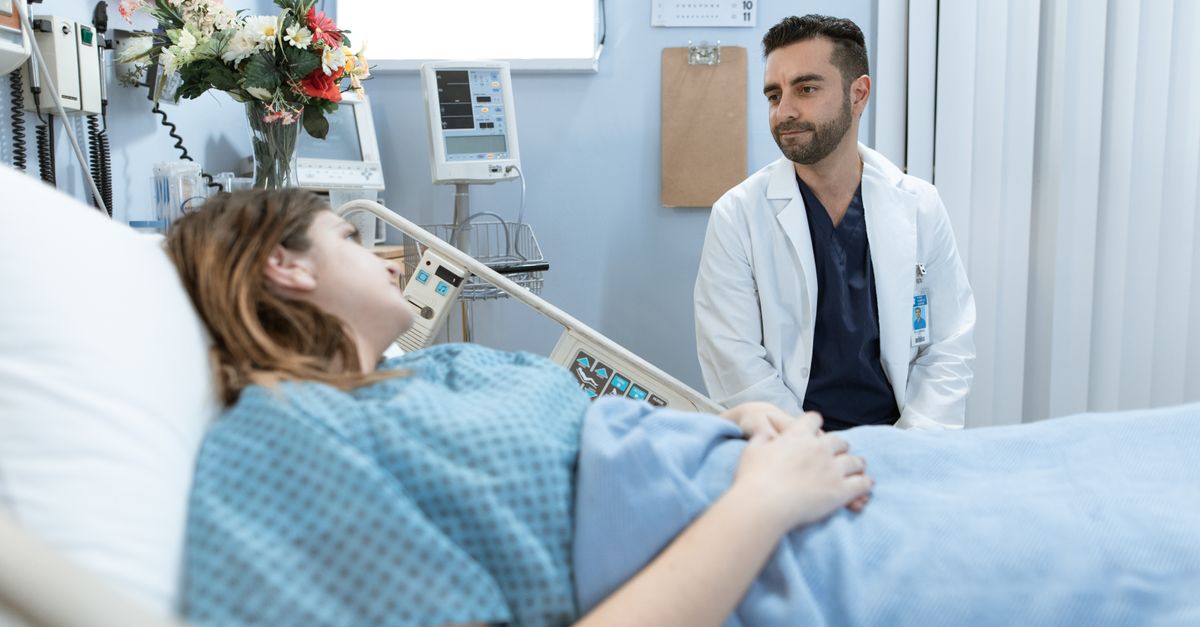
Regular blood pressure monitoring is crucial for maintaining health.
Regular blood pressure monitoring is an essential aspect of maintaining overall health and wellness. With hypertension being a silent yet prevalent condition affecting millions worldwide, understanding the importance of consistent blood pressure checks can empower individuals to take charge of their health. This article sheds light on the critical role of blood pressure monitoring and how it can prevent serious health issues.
Understanding the Critical Role of Blood Pressure Monitoring
Monitoring blood pressure regularly is crucial for identifying potential health risks before they escalate. Blood pressure readings provide vital insights into cardiovascular health, helping individuals understand the status of their heart and blood vessels. Elevated blood pressure often shows no symptoms, which is why routine checks are necessary. According to the World Health Organization, about 1.13 billion people live with high blood pressure globally, and many remain unaware of their condition due to its asymptomatic nature.
Regular monitoring helps in the early detection of hypertension, allowing for timely interventions. Individuals who track their blood pressure can notice trends over time, making it easier to discuss these changes with healthcare providers. This data can lead to more personalized treatment plans and lifestyle adjustments, tailored to the individual's specific needs. Furthermore, understanding blood pressure variations can help individuals recognize how factors such as stress, diet, and exercise influence their readings.
In India, the prevalence of hypertension is rising, particularly among urban populations due to lifestyle changes. Regular blood pressure monitoring can serve as a proactive measure to combat this growing health concern. By encouraging individuals to keep an eye on their blood pressure, healthcare professionals can initiate discussions on healthy habits and preventive care, ultimately reducing the burden of cardiovascular diseases in society.
How Regular Checks Can Prevent Serious Health Issues
The significance of regular blood pressure monitoring extends beyond just tracking numbers. Elevated blood pressure over time can lead to serious health complications, including heart disease, stroke, and kidney failure. By identifying high blood pressure early, individuals and healthcare professionals can work together to implement lifestyle changes or medications that may prevent the onset of these conditions. The American Heart Association emphasizes that awareness and management of blood pressure can significantly reduce risks associated with cardiovascular diseases.
Additionally, regular monitoring can encourage individuals to adopt healthier lifestyle choices. When people see their blood pressure numbers, they are more likely to take heed of their health. This can lead to improved dietary habits, increased physical activity, and stress management techniques, further supporting overall well-being. In communities where health education is prioritized, regular blood pressure checks often correlate with heightened awareness of personal health responsibilities.
Moreover, healthcare systems benefit from a population that engages in regular blood pressure monitoring. With better awareness and management of hypertension, there is a potential reduction in healthcare costs associated with treating advanced cardiovascular diseases. Preventive measures can alleviate pressure on healthcare resources and improve the quality of life for individuals. As public health initiatives continue to promote regular health screenings, the collective impact can lead to healthier communities and a decrease in preventable health issues.
In summary, regular blood pressure monitoring is of paramount importance in safeguarding health and preventing serious medical conditions. By fostering awareness and encouraging proactive health management, individuals can take significant steps toward maintaining their cardiovascular health. As the global focus on preventive care continues to grow, the simple act of checking blood pressure regularly can make a profound difference in personal and public health outcomes.