
The Impact of Consistent Monitoring on Long-Term Health Outcomes
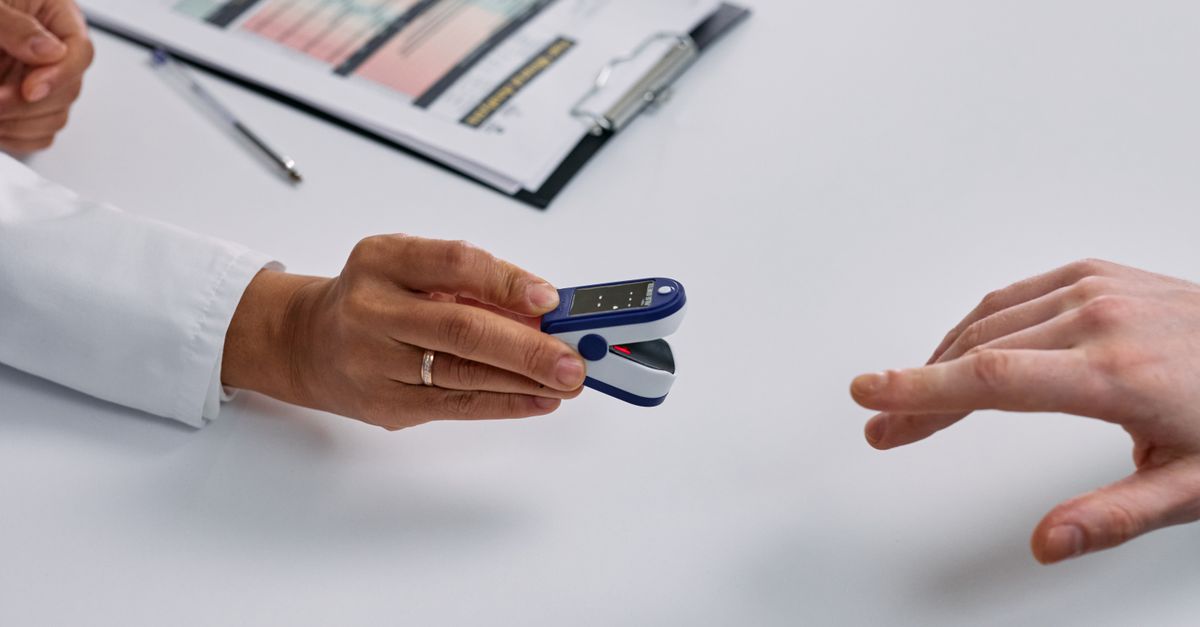
Consistent monitoring enhances long-term health outcomes significantly.
In the ever-evolving landscape of healthcare, the significance of consistent monitoring cannot be overstated. From chronic conditions to preventive care, regular assessment plays a pivotal role in shaping long-term health outcomes. This article explores the impact of monitoring health metrics over time and how it can lead to improved health management strategies, ultimately enhancing patient well-being.
The Role of Regular Monitoring in Enhancing Health Outcomes
Regular monitoring involves the systematic observation of health parameters over time, which can include tracking vital signs, medication adherence, and lifestyle choices. This practice enables both patients and healthcare providers to identify trends, recognize deviations from expected health behaviors, and intervene promptly. A 2020 study published in the Journal of Medical Internet Research highlighted that patients who engaged in regular self-monitoring of their health conditions demonstrated better management of chronic illnesses, such as diabetes and hypertension.
Moreover, consistent monitoring fosters a collaborative relationship between patients and healthcare professionals. In this dynamic, healthcare providers can offer tailored advice based on real-time data, which can lead to more personalized treatment plans. For instance, remote monitoring devices allow patients to share their data with doctors, facilitating timely interventions and adjustments to medications. This collaborative approach can reduce the risk of complications and hospitalizations, ultimately leading to enhanced health outcomes.
The psychological aspect of consistent monitoring should not be overlooked. When patients actively participate in tracking their health metrics, they often develop a greater sense of ownership over their health journey. This empowerment can motivate individuals to adhere to treatment plans, make healthier lifestyle choices, and seek medical attention when necessary. Thus, regular monitoring not only influences physical health but also enhances mental well-being by fostering a proactive approach to health management.
Long-Term Benefits of Tracking Health Metrics Consistently
The long-term benefits of consistent health monitoring are manifold. For starters, it can lead to early detection of health issues, allowing for timely interventions that can significantly alter the course of a disease. For example, research published in The Lancet suggests that regular cardiovascular monitoring can lead to early identification of heart disease, which is critical in preventing severe cardiac events. This proactive approach can ultimately decrease mortality rates and improve quality of life for patients.
In addition to early detection, consistent monitoring contributes to data accumulation, which can provide valuable insights into population health trends. Large-scale studies that track health metrics over time enable researchers to identify risk factors and develop preventive strategies. For instance, analyzing data trends related to obesity, smoking, and physical activity can inform public health initiatives aimed at reducing chronic disease prevalence in specific communities. This data-driven approach is essential for shaping health policy and resource allocation.
Lastly, the integration of technology in health monitoring, such as wearable devices and mobile health applications, enhances the feasibility of consistent tracking. These innovations not only make it easier for individuals to monitor their health metrics but also ensure that healthcare providers have access to accurate and up-to-date information. This seamless flow of information can improve clinical decision-making and foster a more responsive healthcare system, ultimately benefiting long-term health outcomes for diverse populations.
In conclusion, the impact of consistent monitoring on long-term health outcomes is profound and multifaceted. By facilitating early detection, enhancing patient engagement, and enabling data-driven health policies, regular monitoring can significantly improve the management of chronic illnesses and the overall health of populations. As healthcare continues to evolve, embracing innovative monitoring methods will be crucial for achieving better health outcomes and enhancing the quality of care. For individuals and healthcare professionals alike, the call to action is clear: prioritize consistent health monitoring as an essential component of effective healthcare management.