
The Evolution of Hospital Design: Building Spaces That Heal
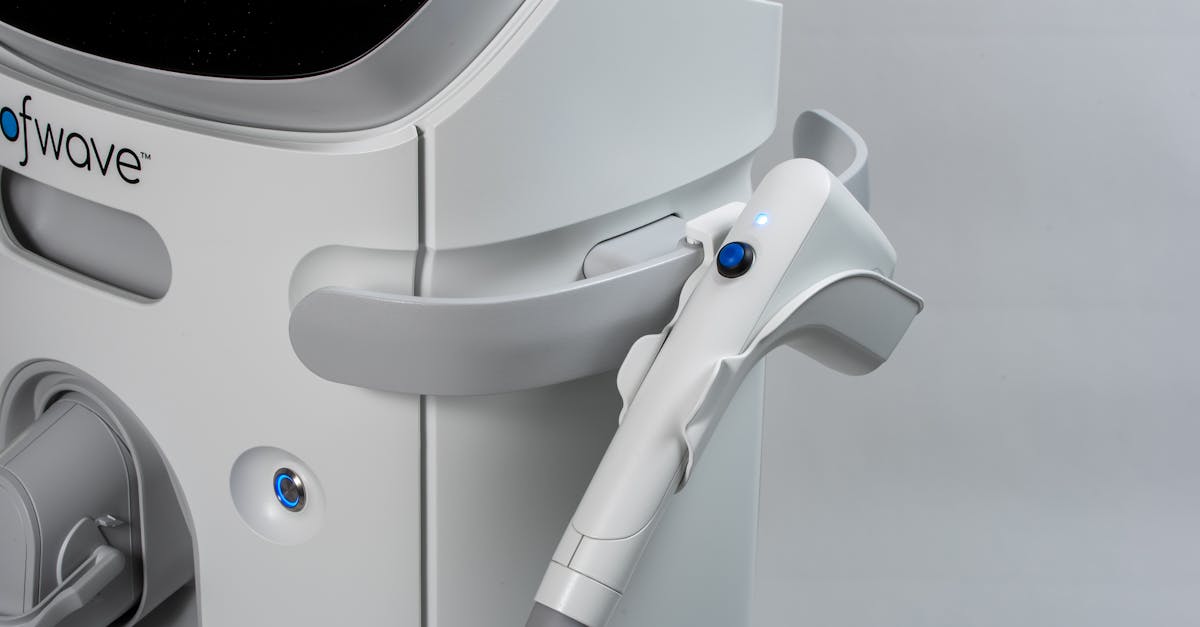
Exploring how hospital design has evolved to enhance patient healing and well-being.
Introduction
The design and architecture of hospitals have undergone significant transformations over the past few decades. Initially, hospitals were constructed purely for functionality, focusing on accommodating as many patients as possible. However, as research progresses in understanding the impact of environment on healing, hospital design is evolving to become more patient-centered.
Historical Perspective
Historically, hospitals were often stark, utilitarian structures, emphasizing efficiency over aesthetics. The primary goal was to maximize patient capacity and facilitate medical procedures. Little attention was paid to the influence of design elements on patient recovery and well-being. Over time, this perspective has shifted, acknowledging the psychological and physiological benefits of a healing environment.
The Rise of Evidence-Based Design
The concept of evidence-based design (EBD) has gained traction, emphasizing that the design of hospital environments should be backed by scientific evidence. Studies have shown that factors such as natural light, noise reduction, and aesthetic appeal can significantly impact patient outcomes, reducing stress and improving recovery times. Hospitals are now incorporating elements such as large windows, quiet zones, and art installations to create more welcoming atmospheres.
Patient-Centered Design
Patient-centered design focuses on creating environments that cater to the needs and comfort of patients and their families. This approach considers factors such as privacy, accessibility, and the inclusion of family spaces. By prioritizing the patient's experience, hospitals aim to improve satisfaction and outcomes. Features like private rooms, comfortable seating, and family lounges are becoming standard in modern hospital design.
The Role of Technology
Technology plays a pivotal role in modern hospital design. The integration of digital health tools, such as telemedicine and electronic health records, requires adaptable spaces that can accommodate technological advancements. Additionally, smart hospital designs incorporate automated systems for lighting, temperature control, and patient monitoring, creating more efficient and responsive environments.
Sustainability and Green Design
Sustainable design practices are becoming increasingly important in the healthcare sector. Hospitals are adopting green building standards to reduce their environmental impact. This includes using eco-friendly materials, energy-efficient systems, and sustainable waste management practices. The incorporation of green spaces and healing gardens not only benefits the environment but also enhances patient well-being by providing areas for relaxation and reflection.
Challenges and Future Directions
While significant progress has been made, challenges remain in hospital design. Balancing cost with the need for innovative, healing-focused spaces is a constant struggle. Additionally, the rapid pace of technological advancement necessitates continuous adaptation. Looking ahead, hospital design will likely continue to evolve, incorporating advances in technology and furthering the integration of holistic, patient-centered approaches.
Conclusion
The evolution of hospital design reflects a growing recognition of the importance of creating environments that promote healing. By focusing on evidence-based practices, patient-centered approaches, technological integration, and sustainability, hospitals are transforming into spaces that not only treat illnesses but also foster overall well-being. As we look to the future, the challenge will be to continue innovating while maintaining accessibility and affordability.