
Testing Reveals Most Children Misdiagnosed with Antibiotic Allergies
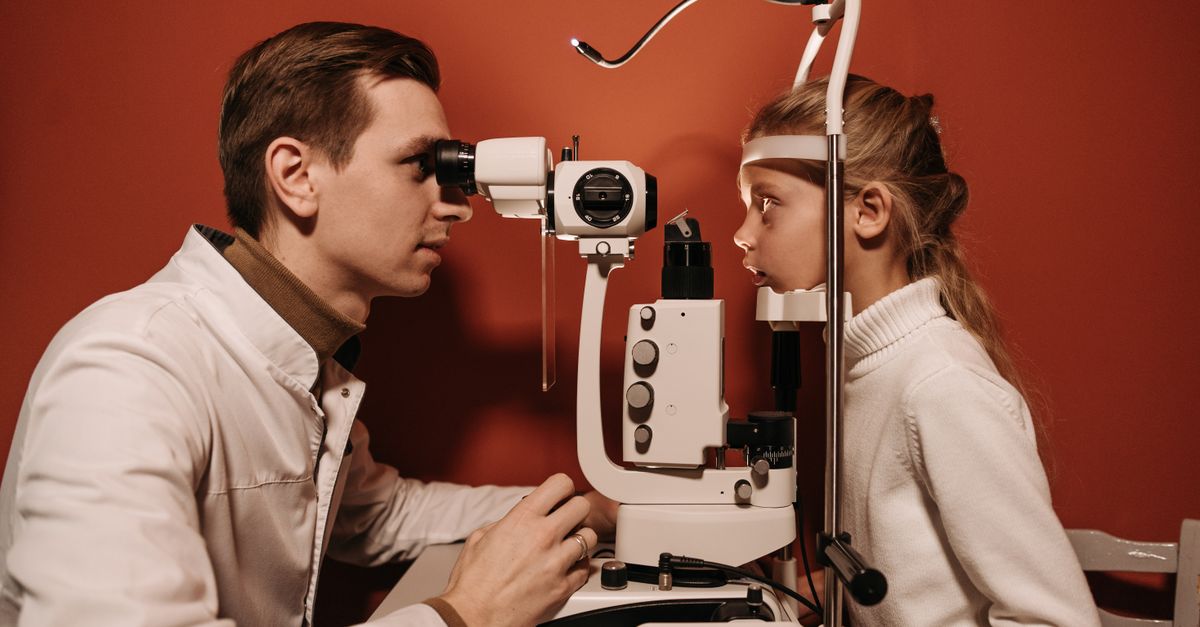
New study finds direct testing can safely de-label most children mistakenly tagged with antibiotic allergies.
Recent research has uncovered that many children previously labeled as allergic to antibiotics may not have such allergies after all. This revelation comes from a study that highlights the effectiveness of direct antibiotic allergy testing in accurately identifying genuine allergies in children.
Significant Findings in Allergy Testing
The study, published in the European Medical Journal, demonstrates that a large proportion of children who were thought to have antibiotic allergies can be safely de-labeled. This finding is crucial as it opens up treatment options that were previously restricted due to presumed allergies. The research involved direct testing methods that challenged the traditional approach of diagnosing antibiotic allergies based on historical reports or assumptions.
The study involved a cohort of children who underwent direct allergy testing. Results showed that a significant number of these children were not allergic, contrary to previous diagnoses. Such mislabeling can lead to the use of less effective or more expensive antibiotics, contributing to increased healthcare costs and antibiotic resistance.
Implications for Pediatric Healthcare
Incorporating direct allergy testing in clinical practice could revolutionize pediatric healthcare. By accurately identifying true allergies, healthcare providers can prescribe more effective treatments, improving patient outcomes and reducing unnecessary healthcare expenses. Additionally, this approach helps in combating antibiotic resistance by ensuring that broad-spectrum antibiotics are reserved for cases where they are genuinely needed.
Pediatricians and healthcare providers are encouraged to consider direct testing, especially in cases where the reported allergy is based on anecdotal evidence or historical data without proper medical evaluation. This shift could potentially reshape antibiotic prescribing habits and enhance overall patient care.
Challenges and Future Directions
While the study's findings are promising, implementing widespread direct allergy testing faces challenges, including the need for specialized resources and trained personnel. However, the potential benefits, such as improved accuracy in allergy diagnosis and optimized antibiotic use, make a strong case for integrating such testing into regular pediatric care.
Further research is needed to explore the long-term impacts of de-labeling children through direct testing and to establish standardized protocols for its implementation. As the healthcare system moves towards more personalized and precise medicine, studies like these underscore the importance of revising outdated diagnostic practices.