
Tampa's Aging Population Sparks Surge in Senior Care Demand
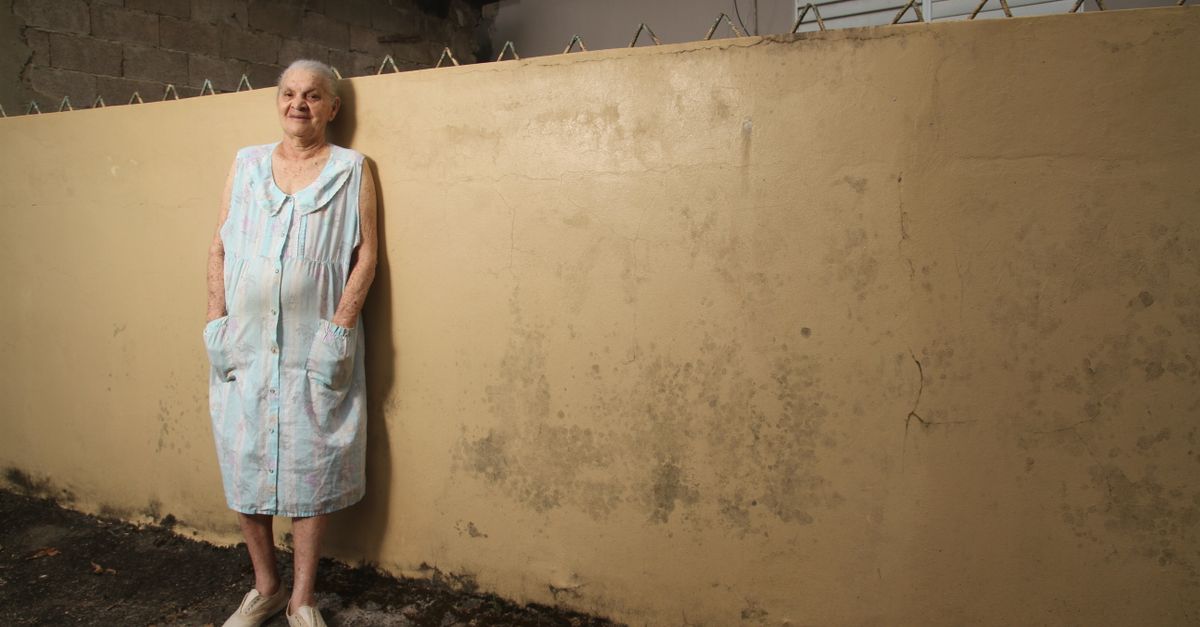
Tampa faces rising demand for senior care as its population ages, challenging local healthcare systems and policymakers.
Tampa, Florida, known for its warm climate and vibrant culture, is facing a demographic shift that promises to reshape its healthcare landscape. The city’s population is aging rapidly, bringing with it an increased demand for senior care services. According to the U.S. Census Bureau, nearly 20% of Tampa's residents are over the age of 65, a figure that is projected to rise substantially in the coming years. This shift poses significant challenges and opportunities for healthcare providers, policymakers, and the local economy.
Rising Healthcare Needs Among Seniors
The aging population in Tampa is leading to a surge in healthcare needs, from chronic disease management to specialized geriatric care. The Centers for Disease Control and Prevention (CDC) reports that older adults are more likely to suffer from chronic conditions such as heart disease, diabetes, and arthritis. Consequently, local hospitals and clinics are under pressure to expand their services to accommodate these needs.
The Florida Hospital Association has noted an increase in hospital admissions and outpatient visits by older adults. This trend underscores the necessity for healthcare systems to adapt their services, focusing on preventative care and chronic disease management to reduce hospital stays and improve quality of life for seniors.
The Role of Medicare and Medicaid
Tampa's healthcare providers are heavily reliant on Medicare and Medicaid to fund senior care. The Centers for Medicare & Medicaid Services (CMS) is integral in this landscape, with Medicare covering a significant portion of the healthcare costs for the elderly. However, the financial strain on these programs is growing as the population ages.
Efforts to streamline costs while maintaining care quality are paramount. Innovative models such as value-based care and Accountable Care Organizations (ACOs) are being explored to ensure efficient use of resources. Additionally, the Affordable Care Act (ACA) continues to influence policy decisions, aiming to expand coverage while managing costs.
Challenges in Long-Term Care Facilities
Long-term care facilities in Tampa are also feeling the pressure. The demand for assisted living and nursing homes is increasing, yet there are challenges in meeting this demand due to staffing shortages and regulatory requirements. The Department of Health and Human Services (HHS) has highlighted the need for skilled workforce training to support the growing senior population.
Moreover, the COVID-19 pandemic exposed vulnerabilities in these facilities, emphasizing the need for enhanced infection control measures and emergency preparedness plans. As such, investments in technology and infrastructure improvements are critical to ensure the safety and well-being of residents.
Community Initiatives and Support Networks
Community-based initiatives are emerging as vital components in addressing senior care needs. Local organizations are working to provide resources and support for caregivers, who often face significant emotional and financial burdens. Initiatives like respite care and adult day care services are becoming increasingly important.
The City of Tampa has launched programs aimed at promoting active aging, encouraging seniors to engage in physical and social activities. These programs not only improve physical health but also combat isolation, which can have severe effects on mental health.
Looking ahead, Tampa's healthcare community must continue to adapt and innovate to meet the needs of its aging residents. This requires collaboration between healthcare providers, policymakers, and the community to ensure a sustainable and supportive environment for seniors.