
Tackling Dengue in India: Effective Prevention and Control Strategies
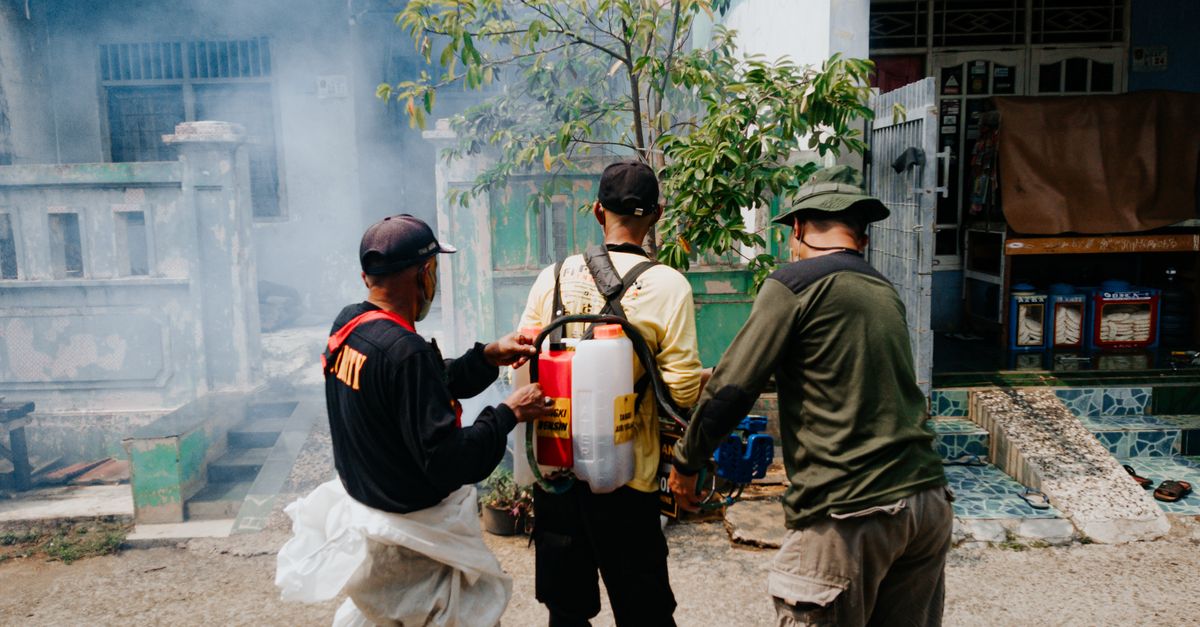
India faces a daunting dengue challenge, but targeted prevention and control strategies can mitigate its impact.
Each year, as monsoon rains sweep across India, dengue fever becomes a recurring health threat to millions. The disease, transmitted by the Aedes aegypti mosquito, reaches its peak during the rainy season, creating a pressing need for effective prevention and control measures. With India accounting for a significant portion of the global dengue burden, understanding and implementing strategic interventions is crucial.
Understanding the Dengue Threat
Dengue fever presents a considerable public health challenge in India, with cases reported from nearly every state. According to the National Vector Borne Disease Control Programme, over 157,000 cases were registered in 2021 alone, with the true numbers likely higher due to underreporting. The densely populated urban areas provide the perfect breeding grounds for the mosquitoes, exacerbating the spread of the virus.
The symptoms of dengue—high fever, severe headache, pain behind the eyes, joint and muscle pain—can escalate into severe dengue, leading to serious complications and even death. The absence of a specific antiviral treatment or vaccine for all dengue serotypes further complicates the situation, making prevention the foremost line of defense.
Community-Based Prevention Strategies
Community involvement is pivotal in combating dengue in India. Public health campaigns emphasize the elimination of mosquito breeding sites, which are often found in stagnant water containers in households and surrounding areas. Simple measures such as regular cleaning of water storage containers, covering them, and ensuring proper waste disposal can drastically reduce mosquito populations.
Additionally, educational programs targeting school children and local communities help raise awareness about the importance of personal protection measures. These include using mosquito repellents, wearing long-sleeved clothing, and installing window screens. Community health workers play a critical role in disseminating information and engaging with local populations to adopt these preventive practices.
The Role of Government and Technological Interventions
Government initiatives are essential to support community efforts in dengue prevention. The Indian government has launched several initiatives, including the National Dengue Day on May 16, to spread awareness and coordinate efforts across states. Surveillance systems have been strengthened to ensure rapid detection and response to outbreaks.
Technological interventions are also making a significant impact. The use of Geographic Information Systems (GIS) for mapping high-risk areas enables targeted intervention. Drones are employed to identify mosquito breeding sites in hard-to-reach areas, allowing for timely and precise control measures.
Furthermore, research into biological control methods, such as the release of genetically modified mosquitoes, offers promising prospects. These mosquitoes are engineered to reduce the population of Aedes aegypti, thereby curbing the transmission of the virus. However, further studies and regulatory approvals are required before widespread implementation.
Challenges in Eradicating Dengue
Despite these efforts, challenges in eradicating dengue persist. Urbanization, climate change, and population growth contribute to the increasing incidence of the disease. Additionally, the emergence of new serotypes and the potential for genetic changes in the virus complicate vaccine development efforts.
Healthcare infrastructure, particularly in rural areas, remains inadequate to handle severe dengue cases. While urban centers may have better facilities, the sheer volume of patients during outbreaks can overwhelm even the most prepared hospitals. Strengthening healthcare systems to ensure timely diagnosis and treatment is crucial in reducing dengue-related mortality.
Ultimately, the fight against dengue in India requires a multi-pronged approach, combining government policy, community action, and technological innovation. As researchers continue to seek effective vaccines and treatments, public health efforts must remain focused on prevention and control. The potential to dramatically reduce dengue cases exists, contingent upon sustained commitment and collaboration across all levels of society.