
Surgeon-Performed Ultrasound Enhances Breast Cancer Diagnostics
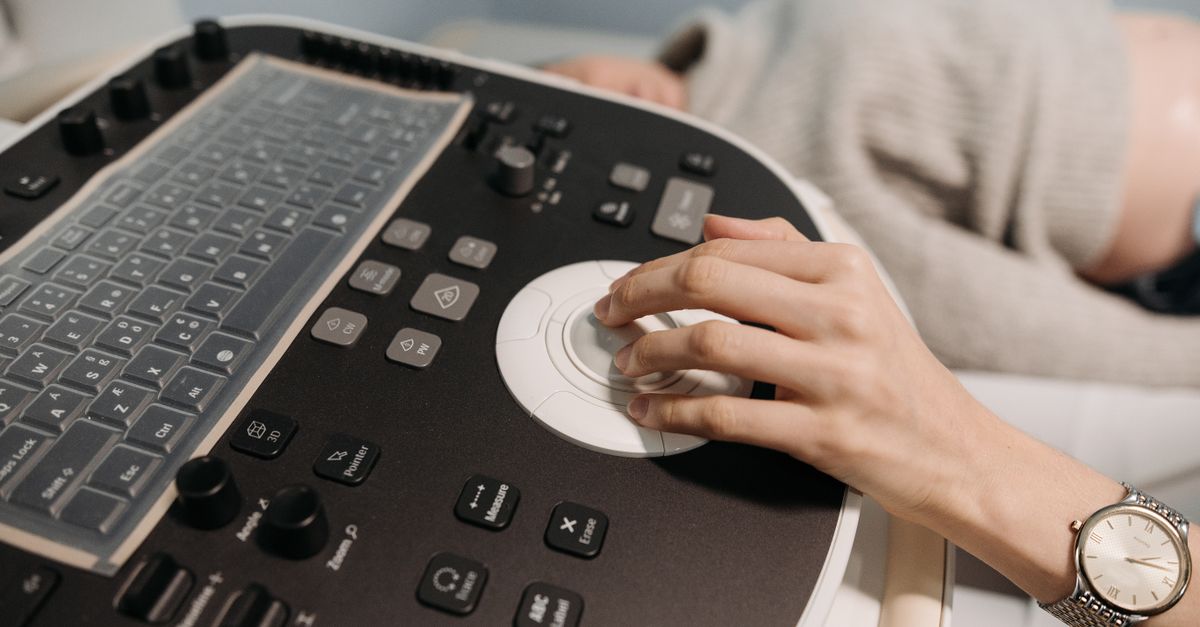
Surgeons using point-of-care ultrasounds improve diagnostic accuracy in complex breast lesions, potentially altering surgical planning.
In a groundbreaking development for breast cancer diagnostics, surgeons are now employing point-of-care ultrasound (POCUS) to significantly enhance the accuracy of diagnosing complex breast lesions. This approach is poised to revolutionize oncologic diagnosis and surgical planning, offering a more precise and immediate understanding of patient conditions.
Advancements in Diagnostic Precision
Traditionally, the evaluation of breast lesions has relied heavily on radiologists' interpretations of mammograms and standard ultrasounds. However, the integration of POCUS by surgeons allows for real-time assessment during clinical examinations. This method provides immediate feedback on the nature of the lesions, enabling more informed decisions regarding biopsy and surgical interventions.
The use of POCUS by surgeons is particularly beneficial in identifying lesions that are ambiguous or challenging to classify using conventional imaging techniques. The immediate access to ultrasound imaging in the surgical setting enhances the surgeon's ability to differentiate between benign and malignant lesions, potentially reducing the need for unnecessary biopsies.
Implications for Surgical Planning
The ability to accurately diagnose complex breast lesions on the spot has significant implications for surgical planning. Surgeons can tailor their approach based on the real-time imaging, potentially leading to less invasive procedures and better outcomes for patients. This approach not only streamlines the diagnostic process but also reduces the waiting time for patients, who often experience anxiety while awaiting results from traditional methods.
Moreover, the use of POCUS can optimize the allocation of healthcare resources by minimizing the need for additional diagnostic tests and repeat visits. It can also enhance communication between the surgical team and patients, as surgeons can now provide immediate insights and discuss potential treatment paths during consultations.
Challenges and Future Prospects
Despite the promising advancements, the widespread adoption of surgeon-performed POCUS in breast cancer diagnostics faces challenges. Training and proficiency in ultrasound technology are crucial for surgeons to effectively interpret the images and integrate them into clinical decision-making. Healthcare systems must invest in training programs and ensure that surgeons are equipped with the necessary skills.
Looking ahead, the integration of POCUS into standard practice could lead to broader applications in other areas of oncologic surgery. As technology advances, the potential for even more precise and detailed imaging becomes a possibility, further enhancing the capabilities of surgeons in the fight against cancer.
This development underscores the evolving role of technology in healthcare, highlighting how it can transform traditional practices and improve patient outcomes. As surgeon-performed ultrasounds become more prevalent, they may well become a cornerstone in the diagnostic and surgical management of breast cancer.