
Study Reveals Unique Gut Microbiome in South Asians Compared to West
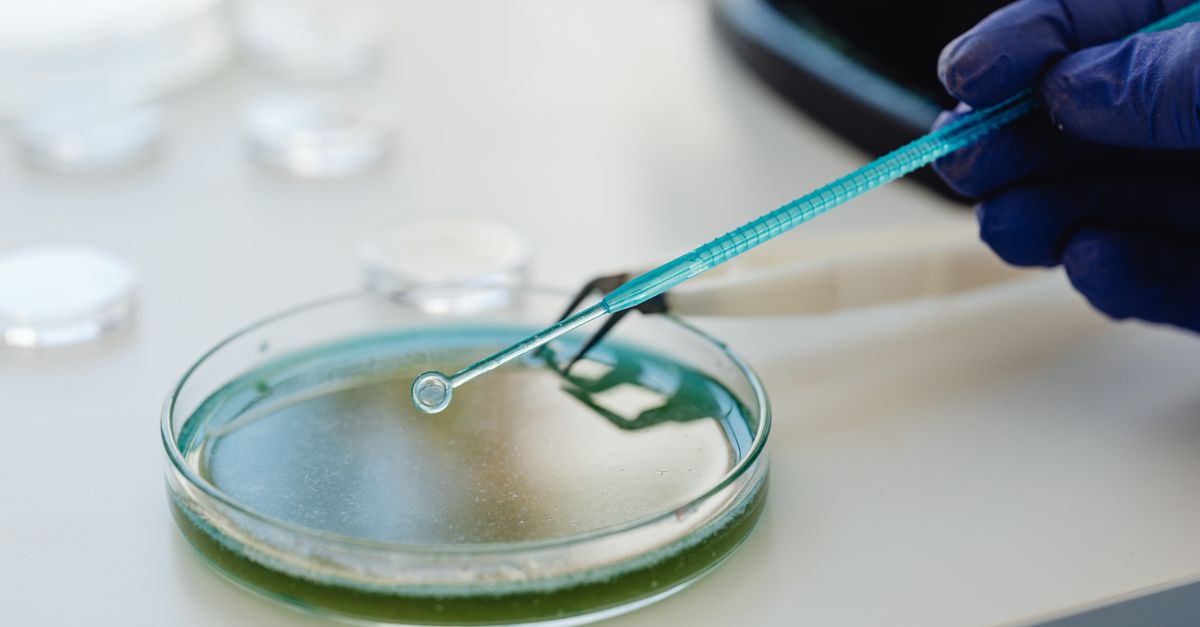
A new study highlights significant differences in the gut microbiome of South Asians versus Western populations, offering insights into regional health disparities.
In a groundbreaking study, researchers have uncovered notable differences between the gut microbiomes of South Asian populations and their Western counterparts. These findings, published by the Indian Pharma Post, could have significant implications for understanding regional health disparities and tailoring dietary and medical interventions accordingly.
Distinct Microbiome Profiles
The study reveals that the gut microbiome—the complex community of microorganisms living in the digestive tracts—varies significantly between South Asian and Western populations. This divergence is attributed to distinct dietary habits, lifestyle factors, and genetic backgrounds, which influence the composition and function of gut bacteria.
South Asians tend to have a diet rich in carbohydrates and fibers, mainly from plant-based sources, which fosters a different microbial community compared to the Western diet that is higher in fats and proteins. This difference in dietary intake could explain variations in microbiome composition and its associated health outcomes.
Health Implications
The gut microbiome plays a crucial role in digestion, immunity, and overall health. Distinct microbiome profiles can influence susceptibility to various diseases, including metabolic disorders, inflammatory conditions, and certain types of cancer. Understanding these differences is essential for developing region-specific medical and nutritional guidelines.
Researchers emphasize the potential for personalized medicine based on microbiome analysis. By tailoring interventions to the unique microbial signatures of different populations, healthcare providers can offer more effective treatments and preventive measures.
Future Research Directions
The study opens new avenues for research into how lifestyle and genetic factors interact to shape the gut microbiome. Further investigations are needed to explore the causal relationships between microbiome diversity and specific health outcomes among South Asian populations.
Additionally, the research highlights the importance of incorporating diverse population groups in scientific studies to ensure that findings are globally relevant and applicable. As the field of microbiome research continues to expand, these insights could pave the way for more inclusive and effective healthcare strategies worldwide.