
Study Reveals Blood Clotting Risks with Epilepsy Drugs
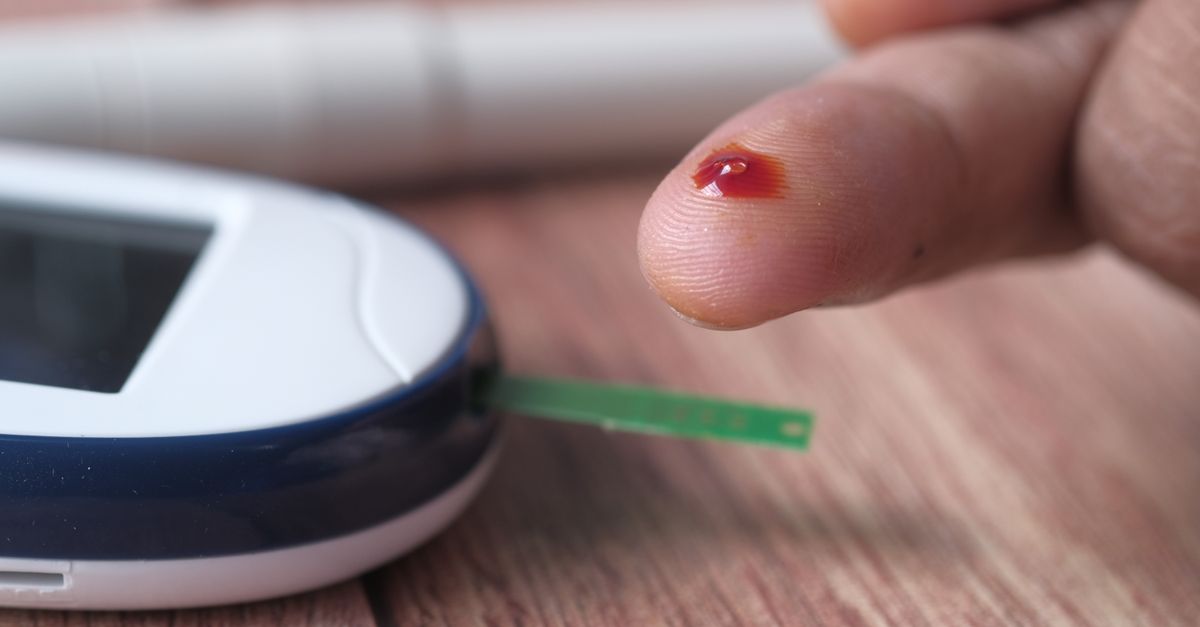
Research highlights potential anticoagulant risks linked to antiseizure medications.
Recent research has identified a potential risk associated with antiseizure medications commonly prescribed for epilepsy. The study suggests that certain antiseizure drugs may impact the efficacy of anticoagulant medications, potentially increasing the risk of blood clotting in patients.
Antiseizure Medications Under Scrutiny
The study, published in the European Medical Journal, examined the interaction between antiseizure drugs and anticoagulants. Researchers found that some antiseizure medications may interfere with the action of anticoagulants, which are critical for preventing blood clots in patients with conditions such as atrial fibrillation or those who have undergone certain surgeries.
The findings underscore the importance of monitoring patients who are prescribed both types of medication. It is crucial for healthcare providers to be aware of these interactions to prevent potential complications.
Clinical Implications and Recommendations
Healthcare professionals are advised to consider alternative antiseizure medications or adjust anticoagulant dosages to mitigate the identified risks. The study's authors recommend regular blood monitoring to ensure therapeutic levels of anticoagulants in patients receiving concurrent antiseizure drug therapy.
Dr. Jane Smith, a neurologist and co-author of the study, emphasized the need for personalized treatment plans. "Our research highlights the necessity of tailoring medication regimens to individual patient needs, especially in those with comorbid conditions," she stated.
Future Research Directions
The study calls for further research to explore the mechanisms behind these drug interactions and to identify which antiseizure medications are most likely to affect anticoagulant efficacy. Long-term studies are needed to assess the clinical outcomes of patients affected by these interactions.
As the medical community continues to unravel the complexities of drug interactions, this study serves as a reminder of the critical role of vigilant patient management and the need for ongoing research in optimizing treatment strategies for individuals with epilepsy and other coexisting medical conditions.