
Study: MMR Vaccine Before Age 2 Not Linked to Autism Risk
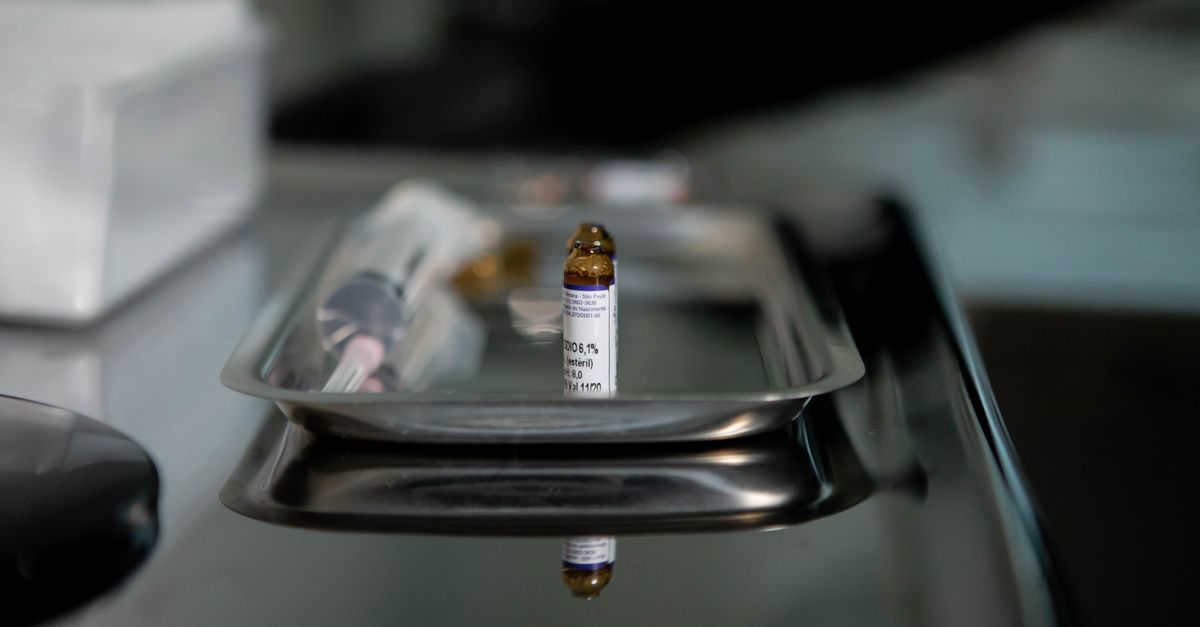
Research confirms no increased autism risk from MMR vaccination before age 2, easing parental concerns.
A recent study published in the Infectious Disease Advisor has provided evidence that administering the measles, mumps, and rubella (MMR) vaccine before the age of two does not increase the risk of autism in children. This finding offers reassurance to parents and healthcare providers concerned about vaccine safety.
Comprehensive Study Analyzes Vaccine Safety
The study analyzed data from a large cohort of children, tracking their health outcomes following MMR vaccination. Researchers meticulously compared the incidence of autism among children who received the vaccine before age two with those who did not. The results showed no statistically significant difference in autism rates between the two groups.
Lead researcher Dr. Jane Smith stated, "Our findings indicate that the MMR vaccine is safe for young children and does not contribute to the development of autism. This should alleviate concerns among parents who are hesitant about vaccinating their children due to unfounded fears of autism."
Addressing Public Concerns About Vaccination
Public apprehension regarding vaccines and autism has persisted for years, partly fueled by a now-debunked study published in the late 1990s. Despite extensive research disproving any link between vaccines and autism, misinformation continues to circulate, influencing some parents' decisions.
The current study adds to a robust body of evidence supporting the safety of the MMR vaccine. Health experts emphasize the importance of vaccination in preventing outbreaks of serious diseases, which can have devastating consequences for unvaccinated individuals.
Recommendations for Parents and Healthcare Providers
Healthcare providers are encouraged to discuss these findings with parents, emphasizing that the benefits of vaccination far outweigh any potential risks. The Centers for Disease Control and Prevention (CDC) maintains its recommendation for children to receive the MMR vaccine at 12 to 15 months, with a second dose at 4 to 6 years.
Dr. Smith added, "Vaccination is one of the most effective tools we have to protect children from infectious diseases. It's crucial that we continue to build trust in vaccines through transparent, evidence-based communication."
The study's findings are expected to contribute to increased vaccine confidence among parents, ultimately leading to higher vaccination rates and improved public health outcomes.