
Study Links Placental Epigenetic Changes to Food Allergies
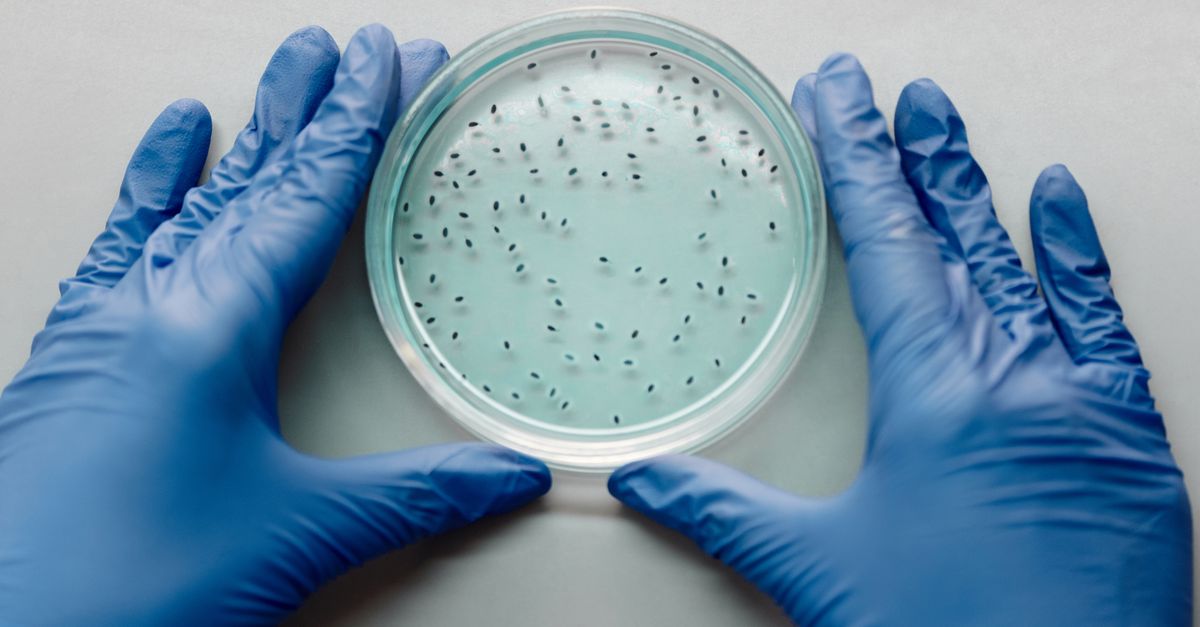
New research reveals a connection between placental epigenetic changes and lasting food allergies in children.
Recent research has uncovered a potential connection between changes in the placenta's epigenetic markers and the development of persistent food allergies in children. The study, published in the European Medical Journal (EMJ), suggests that these prenatal changes could predict the likelihood of a child developing long-term food allergies.
Understanding Epigenetic Influence
Epigenetic changes refer to modifications in gene expression that do not involve alterations to the underlying DNA sequence. These changes can influence how genes are turned on or off and play a significant role in development and disease. The study focused on how such changes in the placenta could affect immune system development, potentially leading to increased susceptibility to food allergies.
Researchers analyzed placental tissue samples from births and identified specific epigenetic markers associated with food allergies. These markers were linked to genes involved in immune responses, suggesting a biological pathway through which prenatal factors could influence allergy development.
Implications for Early Diagnosis and Prevention
The findings hold promise for advancing early diagnosis and potential prevention strategies for food allergies. By identifying epigenetic markers in the placenta, healthcare providers may be able to predict which children are at higher risk for developing these allergies, enabling earlier interventions.
Food allergies are a growing concern globally, affecting millions of children and adults. The ability to anticipate and possibly mitigate the risk of allergies through prenatal assessment could significantly impact public health strategies.
Future Research Directions
While the study presents compelling evidence of a link between placental epigenetic changes and food allergies, further research is needed to understand the mechanisms involved fully. Future studies could explore how environmental factors during pregnancy influence these epigenetic changes and whether interventions during pregnancy could alter outcomes.
Moreover, expanding research to diverse populations could help validate the findings and ensure they are broadly applicable. As researchers continue to unravel the complexities of epigenetics, the potential for breakthroughs in allergy prevention and treatment remains high.