
Study Finds Combined Pushkarmooladi Kwath and Modern Therapy Beneficial for Angina
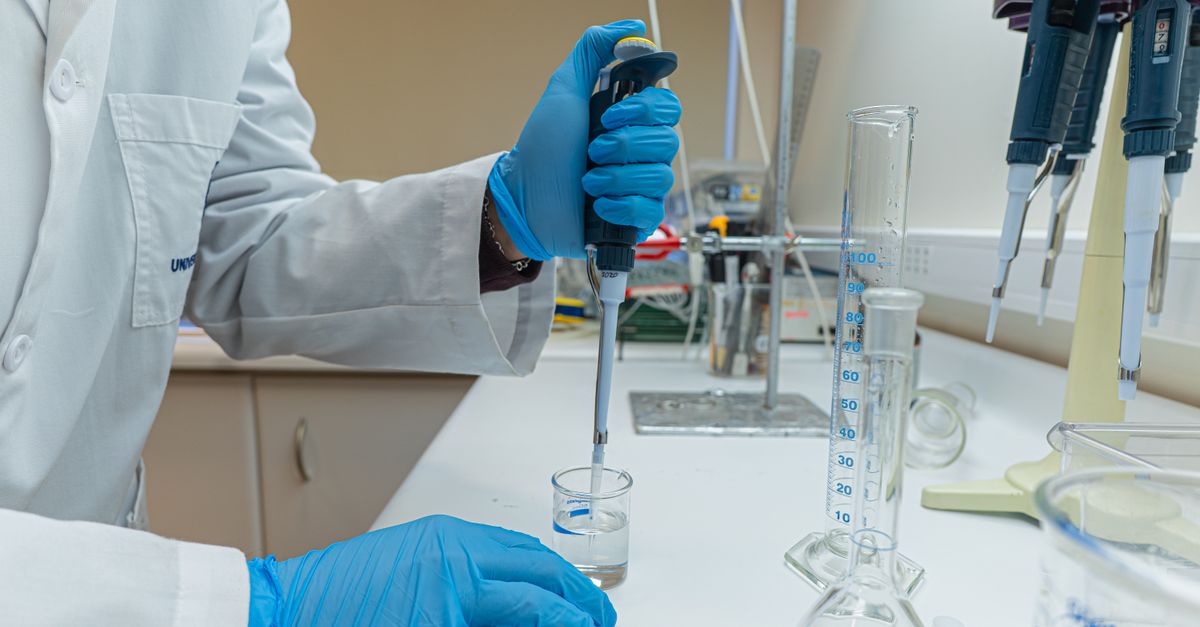
Research at BHU reveals that Pushkarmooladi Kwath with modern treatment surpasses standard care for stable angina.
A new study conducted by researchers at Banaras Hindu University (BHU) has revealed promising results for patients with stable angina. The study found that combining the traditional Ayurvedic remedy Pushkarmooladi Kwath with contemporary medical treatments yields better outcomes than conventional care alone.
Research Highlights Superior Outcomes
The study focused on stable angina, a condition characterized by chest pain due to reduced blood flow to the heart. Researchers compared two groups: one receiving standard care and another receiving a combination of standard care and Pushkarmooladi Kwath. The results demonstrated that patients in the latter group experienced significant improvements in symptoms and overall well-being.
Pushkarmooladi Kwath, a traditional herbal formulation, is known for its potential cardiovascular benefits. The BHU study suggests that when used alongside modern medical treatments, it may enhance the therapeutic effects, leading to better management of stable angina.
Implications for Angina Treatment
The findings from this study could have substantial implications for the treatment of stable angina. By integrating traditional remedies with modern medicine, healthcare providers may offer a more holistic approach to managing this chronic condition. The study underscores the importance of exploring complementary therapies to improve patient outcomes.
Dr. Ramesh Kumar, lead researcher of the study, emphasized the potential of combining traditional and modern practices. "Our research indicates that Pushkarmooladi Kwath can be a valuable adjunct to standard care, providing patients with stable angina a better quality of life," he stated.
Future Directions
While the study offers encouraging results, further research is needed to validate these findings across larger and more diverse populations. Future studies could explore the precise mechanisms through which Pushkarmooladi Kwath enhances cardiovascular health and its potential applications in other cardiovascular conditions.
The BHU study adds to the growing body of evidence supporting the integration of traditional and modern medical practices. As interest in complementary therapies continues to rise, such research is crucial for developing comprehensive treatment strategies for chronic conditions like stable angina.